THE third angel’s message first found its way into Argentina through the medium of our literature, by two different means. Near the close of the ninth decade of the nineteenth century an Italian-Swiss colonist of Waldensian descent learned of Seventh-day Adventists in Switzerland through reading in a secular paper an account of a baptism at Neuchâtel. His desire to learn more of such unheard-of practices led him to write to Switzerland for literature. He became convinced that the doctrine these people held was the truth, and he and his wife accepted it. After thirty years they are still alive and faithful in the message, as are also some of their children and grandchildren. As a part of his donation toward building the River Plate Academy, he did the mason work gratis. His grandchildren are now among its most faithful attendants.
In 1891 three colporteurs, Brethren Nowlin, Snyder, and Stauffer, entered the field in the interests of our literature. As we had then no literature in the Spanish, they could work only among the people of foreign tongues, principally Germans and English. As a consequence, interests sprang up that resulted later, through ministerial work, in a large number of Russian-Germans accepting the truth. Similar results, arrived at in a similar way, developed in a Swiss-German colony in Uruguay.
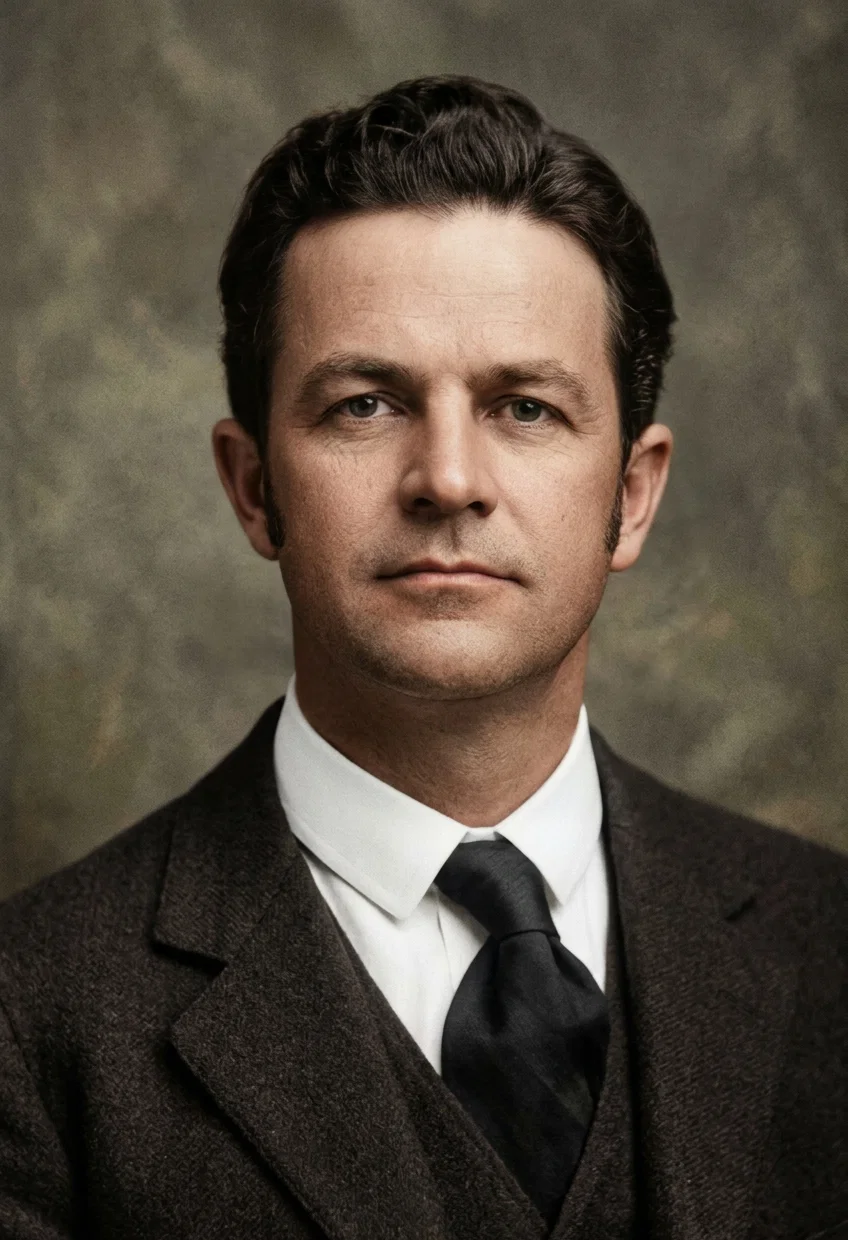
Restored with AI
W. H. WILLIAMS
Secretary and Subtreasurer for South America
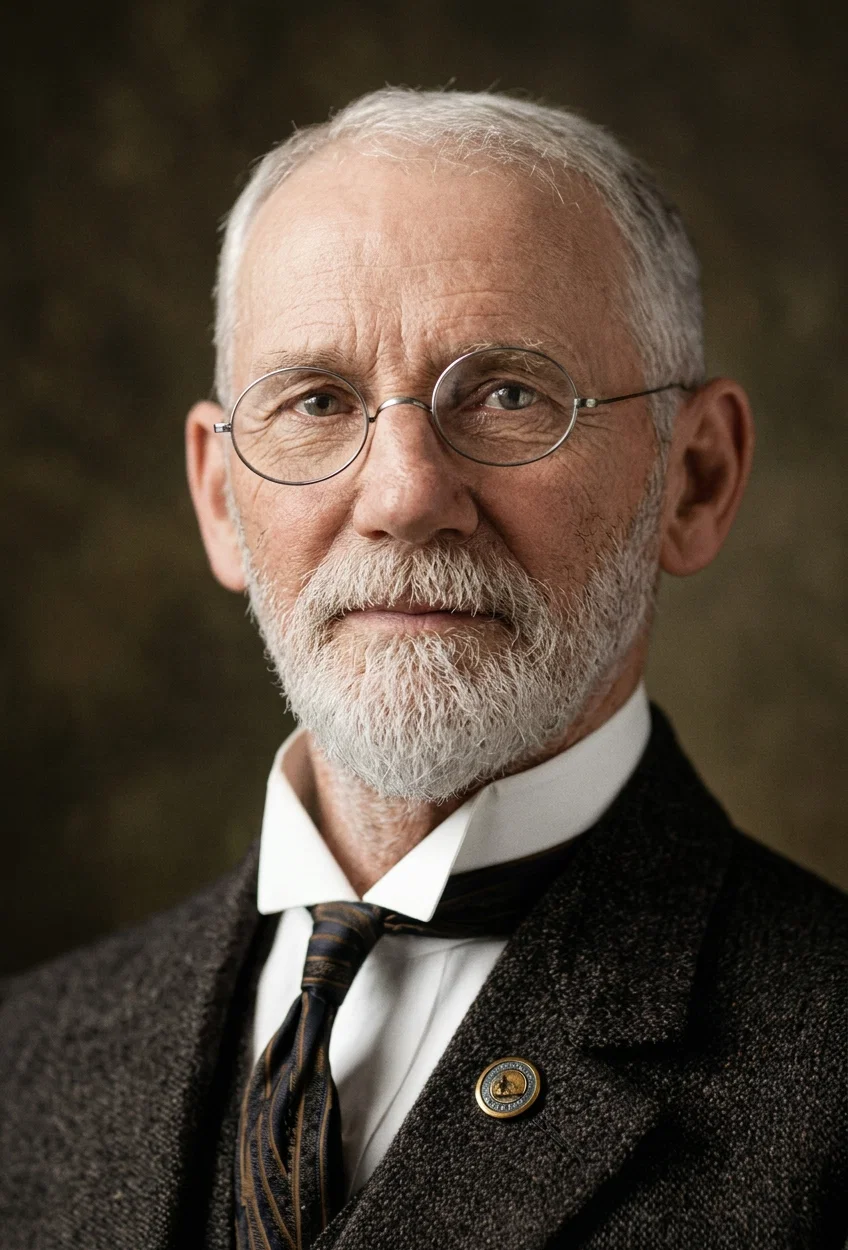
Restored with AI
J. W. WESTPHAL
Field Missionary Secretary for South America
In the meantime the message was finding entrance through the immigration of some of our brethren from Kansas. They had accepted the truth under the labors of Elder L. R. Conradi, at Tampa, Kans. Brother George Riffel, the leader of the immigration party, had lived in Brazil and Argentina. Happy in his new-found faith and hope, he desired to take the glad news to his former friends and neighbors. But the Lord had a surprise in store for them. Other Russian-Germans had had a similar burden for their brethren in Russia, and by means of literature and personal messengers the message had been given in a certain place in Russia. One of those who heard it, still disobedient but believing in his heart that it was the truth, came to Argentina, and apparently accidentally met the brethren at the Diamante port; and though they were utter strangers, he offered them the hospitality of his humble home. This was on a Friday. The next day he kept the Sabbath with the brethren. He is the brother of Elder Hetze in Russia. For many years he served as one of our most earnest and efficient elders. Although he is now feeble on account of age and an unfortunate accident, which nearly resulted in his death, his faith in the message is still firm and his hope bright.
In 1894 my brother, Elder F. H. Westphal, in response to a call for help, was sent to work in this field. The conditions under which he labored were primitive indeed. The people were poor and lived in mud huts on rented lands. The one sleeping-room, air tight, served also as a meeting-room. The brethren, as fast as they accepted the truth, became zealous, active home missionary workers, and united with him in his work most sympathetically, attending meetings, visiting families, and making liberal use of literature. In the reward they will ever have a share.
The people were not yet accustomed to differing sects. This, together with the power that accompanied the message, brought opposition and persecution. Some who declared that they would kill my brother, and made the attempt, later accepted the truth and greatly rejoiced in it. One of these recently died in the blessed hope.
All manner of wicked stories were circulated. At a general meeting, as the crowd passed from the meeting place to take part in a baptismal service, the Diamante authorities waited at the gate till my brother, who was among the last to leave the place, came out. They determined to prevent the baptism, and taking him, the ringleader, prisoner, they supposed that they had accomplished their purpose. But another had been appointed to officiate, so there was no break in the ceremony. Reports had been circulated that both men and women were baptized nude, and other stories equally absurd and vicious. But the efforts of the enemy were thwarted. When my brother appeared before the judge the next day and explained the manner of baptism, the latter politely begged pardon for molesting them. The brethren still recount the experiences of these early days with animation and joy. As a testimony—a monument—to the miracles of those days, there is still among the brethren one who once was a habitual, godless drunkard, now sobered and clean, singing in clearest notes the praises of our God.
Others labored equally as hard and faithfully,—Elders Jean Vuilleumier, J. A. Leland, N. Z. Town, E. W. Snyder, and others. The path was often strewn with thorns, but there was rejoicing as one after another was added to the little flock. As a result the truth was planted at Los Garzas, Los7Toscas, Ocampo, in the Chaco; Los Tunas, Grütley, and other places in Santa Fé; Devoto, in Córdoba; in Buenos Aires, Uruguay, and Paraguay, all of which composed one field in those days. These fields were organized into the River Plate Conference in 1901, the year of the arrival of the writer, with Elder N. Z. Town as its first president.
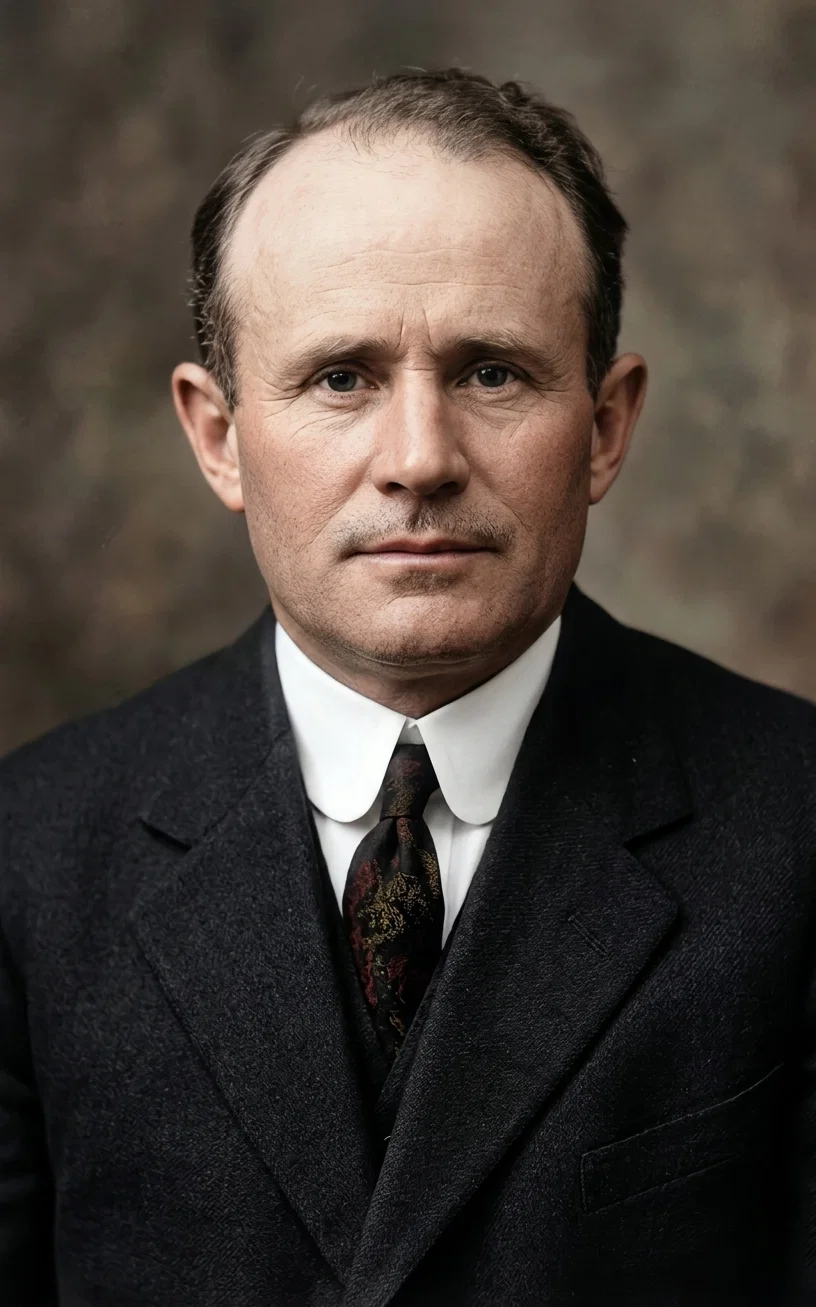
Restored with AI
E. F. PETERSON
Superintendent Inca Union Mission
The membership was between three and four hundred.
Gradually the work has grown. There are now four distinct fields instead of one, with other divisions in prospect. The membership is about twelve hundred in Argentina alone. The truth has been planted in near and far-distant places, including the largest cities. Institutions have sprung up—a school, a sanitarium, and a publishing house; and all have become strong factors in the spread of the message. The old-time spirit is not dead. Instead, a new life and consecration are taking possession of God’s people. A brother who accepted the truth under the labors of Elder Vuilleumier, but who had lived alone with his family for many years, had become cold and formal. When the war broke out, he came to one of our offices and asked if there was still hope for him, for he realized the nearness of the end. He gained a new experience, that still continues. Although still living separated from our people, his whole family is consecrated to God. There is manifest the faithful Waldensian spirit in consecration, in liberal giving, and in missionary work.
Future prospects look bright. The literature sent from Switzerland, and the few English and German books sold in those days, were the forerunners of a circulation now approaching fifty thousand dollars’ worth annually in Argentina alone, with the tide rising higher every year. With our seventy students in the school, from the seventh grade upward, many of measurably mature years, preparing themselves for the work (with others who, for lack of room, cannot come), there is promise of a rich harvest of workers in the future. More doors are open than ever. There are brethren from the border of Paraguay to the Chubut River in Patagonia, and from the eastern edge of Buenos Aires and La Plata to Mendoza at the foot of the Andes, where a laborer has recently been established. Their prayers, their labors, their influence, are making some impression upon Argentina’s eight million inhabitants; but to finish the work, their numbers, the facilities for school accommodations, great enlargement of our printing capacity and facilities, a great increase in the number of our laborers of every class, and that quickly, are necessities to the completion of the work in what little time still remains of the last generation.