BY MRS. LAURETTA KRESS, M. D.
- (Sanitarium.)*
Yeast, or the leaven that is used in the process of making bread, is a plant. It looks like a number of little buds, added one on top of another, somewhat as a cactus grows. This little plant grows just as any other plant grows; it needs moisture, food, and warmth. It will chill the same as any other plant. If our house plants are left out in the cold, they soon shrivel and die; and so in the process of bread-making it is very necessary to keep the plant, or yeast, warm. It must not have alternative chills and fever, because chills and fever are just as debilitating to yeast as they are to other things.
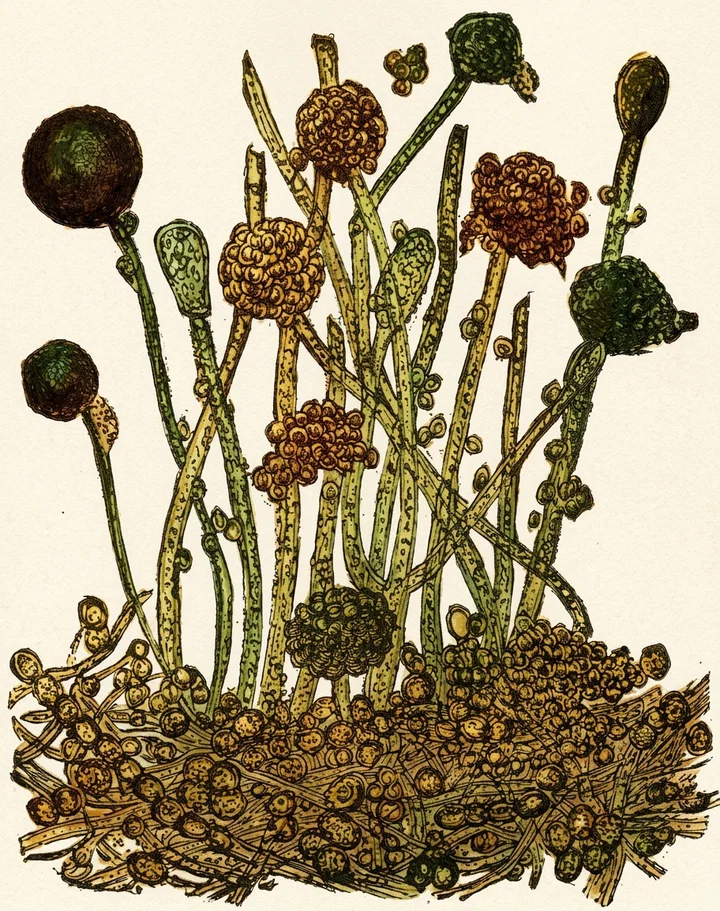
This little plant has a visible growth. If we plant it in flour, and add to it the moisture that it needs, with the right amount of heat, it very soon begins to grow; but it must have food upon which to grow. We give it flour, which it converts into sugar and starch, and it keeps growing on the food which we give it, if it has sufficient moisture and warmth. Its growth is often stunted by its being either in too cold or too hot a place. It is always best to keep bread in a warm place. Housekeepers have various ways of doing this. Some have a bread-box, which is a trough of wood, in which the bread is set and covered over with a blanket. Some raise their bread in the oven; others have devised the plan of putting it over the stove in a crock. Different methods are used by different people.
When the yeast is allowed to stand too long, it becomes sour. That is because the plant is allowed to grow too long, and produces fermentation. Some call bread fermented because it has the growth of this plant inside, but it is not fermented until it gets to that degree that alcohol is made by the development of this plant. If the bread is baked or made up into loaves before this time, there will be very little alcohol in the bread, and it will be sweet and wholesome. It is true that the plant does take much of the substantial qualities of the flour for its food. A portion of the sugar, or sweetness, of the flour is eaten up by the growth of this plant. We do not get the sweetness of the grain in fermented bread that we do in unfermented bread. You perhaps have noticed that bread is not so sweet as gems or rolls. The gluten, which is next to the rind of the wheat, is very frequently all ground out in the process of milling.
The German people even make pies with yeast. After they have made their bread, they take a little of the sponge, and make a light, wholesome crust of the bread dough, rolling it thin, and then putting on apples or other fruit. It makes a very delicious pie crust, and is very light and wholesome. It is much better than a pie crust made with lard.
There is a difficulty in the use of yeast bread, with some who have indigestion. This is usually so much softer than other bread that it may be swallowed with very little mastication. It really requires all the mastication that other bread requires. Other breads cannot be swallowed without thorough mastication, and this is why they are more wholesome. Yeast breads can be made perfectly wholesome, if properly baked. They are very much better if baked in small loaves, because the oven dries the moisture in the loaves much better when they are not so large. The old-fashioned way of baking bread made it much more wholesome. I remember the bake-ovens they used when I was young, where they built a fire in the oven, and allowed it to be heated very hot, removed the fire, and then placed the bread in the oven, and baked it. This method of baking thoroughly dried the moisture in the bread.
Baking-powder and cream of tartar are not the best chemicals to use, because they form lye. This causes irritation of the lining membrane of the stomach. Salt should always be added to yeast bread.
The greatest objection to yeast bread is that people eat it while too new. Bread should be at least a day old before it is eaten. If you put a piece of fresh bread in a glass of water, you will see that it sinks immediately to the bottom; but if you will wait a day or two, and then put a piece of the bread in a glass, you will notice that it will float on the water. Warm bread forms little balls in the stomach, and the gastric juice cannot penetrate it when in that condition.
An acceptable layer cake may be made with yeast, without baking-powder or shortening. To make such a cake, take one cup of sweet cream, and after dissolving one fourth of a cake of compressed yeast in a little water, add it to the cream; then add half a cup of sugar, and one cup of flour. Allow this to rise until it is quite light, then add a little more sugar, and when this has become again very light, add one-fourth cup of flour. The second time it has risen, add a little more flour, so that two cups of flour are used in the process of making. When adding the remainder of the flour, add also the beaten yolks of two eggs. Some use both the whites and the yolks. Let this rise again in the tins for the last time. When it is light, put it in the oven and bake immediately.
This cake, if started in the morning, will be done by noon. I think it takes but little if any more time to bake than any other kind. It does not require much beating, and although it needs more watching, this can be done while doing other work. Do not let it get too hot, or it will spoil. It may be eaten the same day it is made.