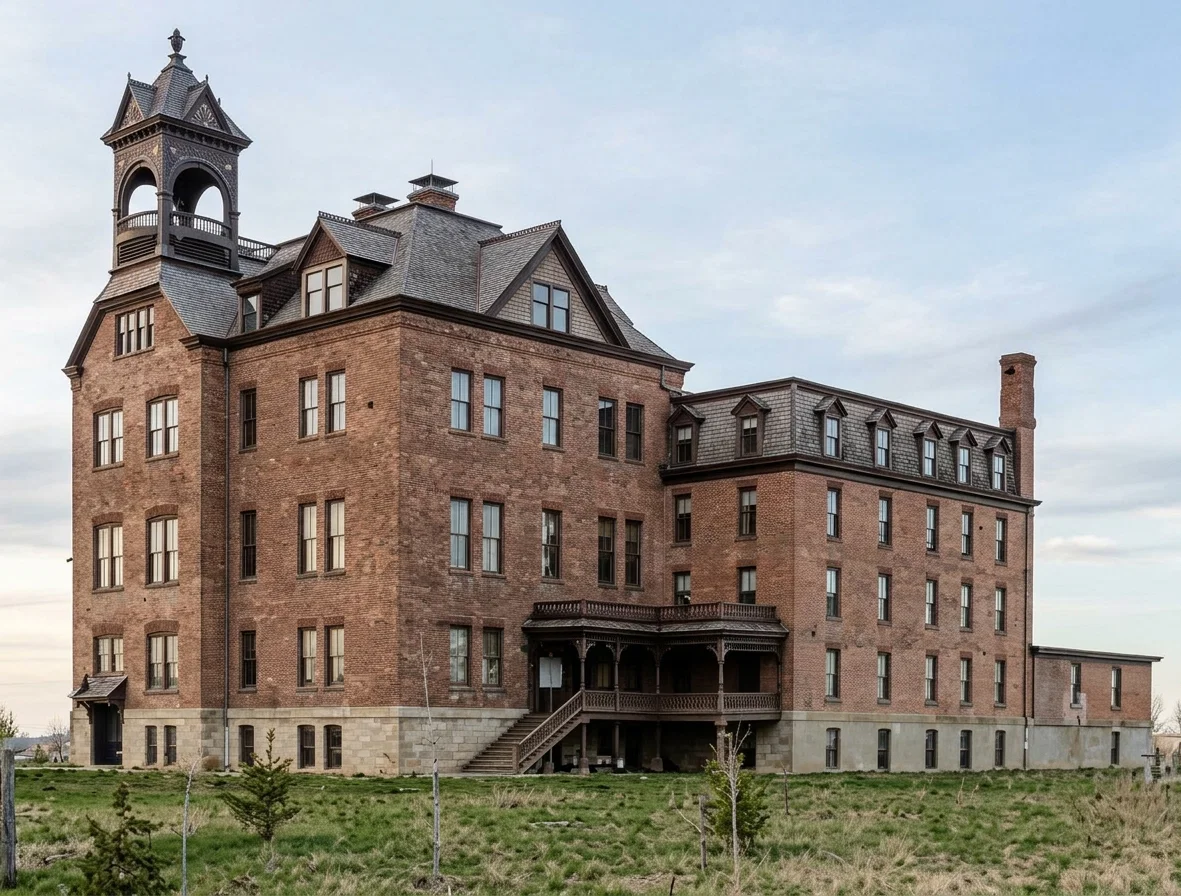
Thursday evening there seemed to be an unusual stir, and I passed merry groups on their way to and from the bath-rooms. Everything, even the extra amount of beans soaking in the kitchen, betokened the coming of some one. Is not the Sabbath the most welcome of guests, and worthy of all the effort we can make to enjoy it? Friday morning, acting on the suggestion made at the “parlor talk” the night before, the beds were given an extra airing, and received clean linen. After the lessons were over for the day, I asked, “Do the days pass quickly?” “Yes, they seem to fly,” was the ready answer from a Montana lassie who had never been from home for any length of time before. Sunset bell rang at 5:05. Soon the sweet voices of the students were heard as they sang their evening praise. With the lengthening shadows, the peace of God seemed to rest down upon the place. Then the “silent hour” came on. Every student has the privilege of spending twenty minutes daily alone. At the “division meetings,” held later, the Sabbath-school lesson for the morrow was studied. There are about ten in a division, and the older students are chosen as leaders.
At the breakfast table Sabbath morning I heard, in every direction, conversation on the lesson for the day. Some one asked the questions from memory, and the ready answers showed that good work had been done in the division meetings. Many from the families living near come in to the Sabbath services, so that at the hour for preaching, nearly all the chairs in the chapel, two hundred and fifty in number, are filled. At dinner, the usual first course of soup was omitted. The food was placed on the table before the bell rang, so the waiters had only the plates to change and the dessert to bring in. After dinner all seemed desirous of getting out into the beautiful sunshine, and as soon as the after-dinner work was finished, teachers and students were out-of-doors. At three o’clock the bell rang for the students’ social meeting. Professor Sutherland met with them, and the time was well filled with singing, prayers, and testimonies. In their testimonies many expressed their gratitude to God for being permitted to be there. “Sunset bell” rang all too soon, and again all met in the parlors for prayers. At this time I went over and met with the boys, only to find that the same kindly spirit was manifested in all that was said and done.
Restored with AI
The evening after the Sabbath was a happy one; the preceptress went for a walk with the girls, and the boys spent the time until seven o’clock in some kind of out-door recreation. I was told that the students have this evening for their letter-writing; and by the well-filled mailbox which I noticed Sunday morning, I am sure many spent it in that way. Half-past nine found the house as quiet as usual.
Early Sunday morning all seemed intent on making the first day of the week a busy one. A good number of the students gave their rooms a thorough cleaning, and the bath-rooms were well patronized. Long lines of beautifully white clothing spoke the praises of the laundry. The boys do the hard work in washing. The water for the building and for irrigation comes from a large spring, which supplies the college with about two hundred gallons a minute. “Walla Walla” is the Indian name for “water water.”
If you were so fortunate as to attend the Sunday morning faculty meeting, and your child were here as a pupil, you could not but thank God for the earnestness and genuine love shown by the teachers as they study the very best way to instruct and develop the minds of those who come here. As I passed down the hall after faculty meeting, one of the youngest girls from Montana came skipping along, and said in a most happy way, “I have my room work all done.” “How about the letter to the home ones?” I asked. “O, I sent one Friday, and have eight pages written on another,” was the ready reply.
The boys’ band gave us some idea of what they will do a little while in the future. Already they play a few familiar pieces well. There are forty pupils taking sacred music, and the sweet hymns we all love so well are heard from every direction. The six organs and two pianos are in almost constant use during the day.
At seven o’clock in the evening the regular study hour, all were in their rooms. From seven until nine in the evening no one is allowed to speak above a whisper, either in the rooms or the halls. This prevents the students who have much to say and less to do from hindering the more studious. I found, too, that it was hard to talk any length of time in a whisper.
Monday morning at 8:45 found all in the chapel and ready for another week’s work. The organist played as the students passed in, and as the doors were closed, the ever dear strains of “Old Hundred” were heard. All rose and sang their praise to God; a portion of scripture was read, followed by a song. At the close of the prayer, all joined in repeating the Lord’s prayer. At the time of my visit, Professor Sutherland was reading short selections from the “Student’s Manual” nearly every day. The suggestions were right to the point, and all were obliged to keep their ears open, as at the most unexpected moment, one might hear a name called, and an answer speedily given. Books were then taken, and the classes passed to the recitation rooms.
After dinner one day I followed the house matron down to the root cellar, where the vegetables are stored. This is situated a convenient distance from the house, in the rear of the kitchen. I was told that they were to have four tons of winter pears; and by the quantities of squashes and apples I saw unloading from time to time, I know a generous supply of the food good for man, is to be provided. Then we went to the store-room where the canned fruit is kept. They had seventeen hundred two-quart cans of fruit, of nearly every kind and color that could be mentioned. A wood-pile of four hundred cords is worth having, one would say. That is what the students thought who spent most of their summer vacation in the mountains near by cutting it. The cooking and heating are all done with wood. The steam-pipes are so nicely distributed that the temperature is comfortable throughout the buildings.
Tuesday morning, after the usual exercises in the chapel, is the time for the “teachers’ rhetoricals,” as the pupils say. The week of my visit, Professor Sutherland read a very instructive paper on the Eastern Question. The mail comes at four o’clock, and the pleasure evidenced by those so fortunate as to get a letter from home, proved to me that we, as parents, should not neglect this opportunity of adding to the happiness of our children. In the evening I chanced to go into the kitchen in time to find one of the young men busy writing on his harmony lesson. He had the place all to himself; but a roaring fire in the great range, and the steam from two very large double boilers, seemed to say that something was going on. I asked the reason of it all. He very kindly directed me to the scene of action, took the covers from the kettles, and I saw for the first time the process of sterilizing milk, also a thermometer with which to test the temperature of the milk. This process is gone through with as soon as the milk is brought in from the barn; then it is taken to the cold milk-room and quickly cooled. Afterward it appears in most appetizing gravies, and enters quite largely into the dietary of the college boarders.
I had been told that Wednesday was an unusually busy day, as the missionary meeting gave less time for study. Nevertheless, the attendance was good, and the society has raised in money and pledges $94 with which to carry on the work for the year. Professor Miller is the president of the society. A paper was read by Professor Sutherland, in which he showed the needs of the Indian tribes near Walla Walla. This missionary meeting closed my week; and I love to think of the many happy faces there gathered doing the Master’s work.