L. A. REED.
When we pass the prismatic colors through the convex lens, we obtain the original white light. Now, if we have passed but a portion of the colors through the lens, we should not get white light, but a mixed tint. But even this tint is composed of light; it was light that passed through the lens, and appeared upon the screen. And remember it was light that passed through the prism that appeared upon the screen as red, orange, yellow, green, blue, indigo, and violet. We call these the prismatic colors, but really they are but light.
In the same fashion all the colors of nature are but light—light modified by the object reflecting it. The lily reflects all the prismatic colors, and hence is white. But this whiteness is the whiteness of light. It is nothing more nor less than light reflected from the lily petals. And when a flower reflects the red or the blue or the yellow, let me assure you, it is red light, blue light, or yellow light, that the flower reflects.
Some seem surprised at this statement. The color seems to them to be a part of the flower, something that the flower possesses, just as it possesses petals, stamens, or pistils. But let us stop and think a moment. What color has the flower in darkness? You know it has none whatever. In the darkness it still has the petals, the stamens, the pistils, but the color is not discerned. The color is there, but we can not see it. Well, let us bring a light,—a light that is quite unlike sunlight. We will bring a light made of burning sodium. We look now at our rose. It certainly is not red; it is a sickly yellow.
The reason for this is not far to seek. The sodium light has not red, orange, green, blue, indigo, and violet in its rays. It has only yellow. The yellow of our light passes to the flower. The rose has always absorbed the most of the yellow, even as it did the other colors, reflecting but the red. Now there is no red for it to reflect. It is so constituted that it can reflect nothing but red; it can not reflect yellow in its purity: and so the rose looks to be of a dirty, sickly, indescribable yellow. The flower depends upon the light for its color.
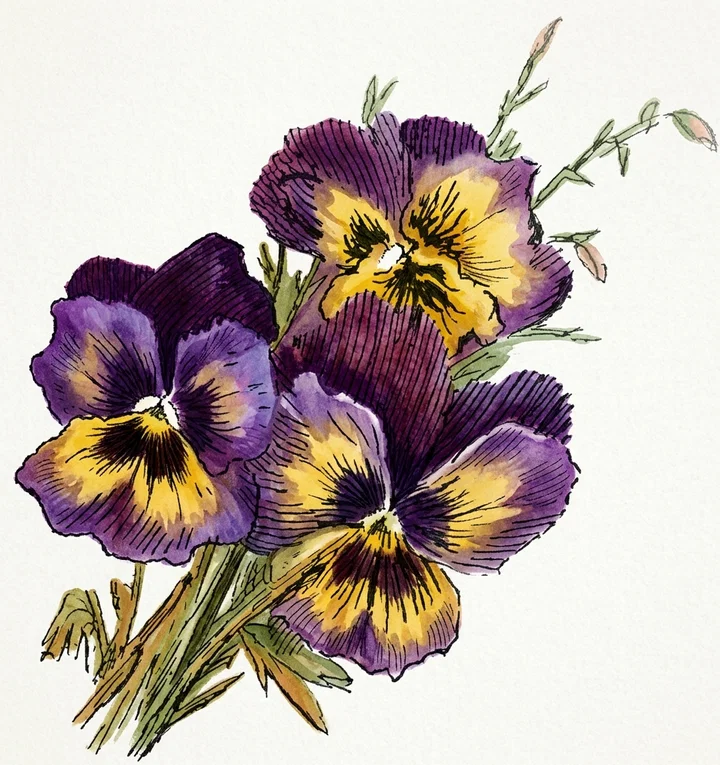
If sunlight were like sodium light, what a sickly looking world we should have! Everything would appear of a vile, sickly yellow. But the sunlight has all the colors of the flowers; for the colors of the flowers are the colors of sunlight. And so the flowers should teach us what the prism teaches us; namely, that light is composite, made up of many colors. A bed of pansies will give you all that the prism gives you. It were an easy matter to make a rainbow of flowers; for we have roses and poppies for the red, nasturtiums and California poppies for the orange, dandelions for the yellow, leaves for the green, blue-bells for the blue, violets for the indigo, and clematis for the violet. True, these colors are not such pure colors as we have in the rainbow, but the lesson is the same for all that.