THE BIRD OF TWO SONGS

7%

S. D. A. Publishing Association · Battle Creek, Mich. · Jan 29, 1879

FromThe Youth’s Instructor, Vol. 27, No. 5.

Read the full edition

THE BIRD OF TWO SONGS.

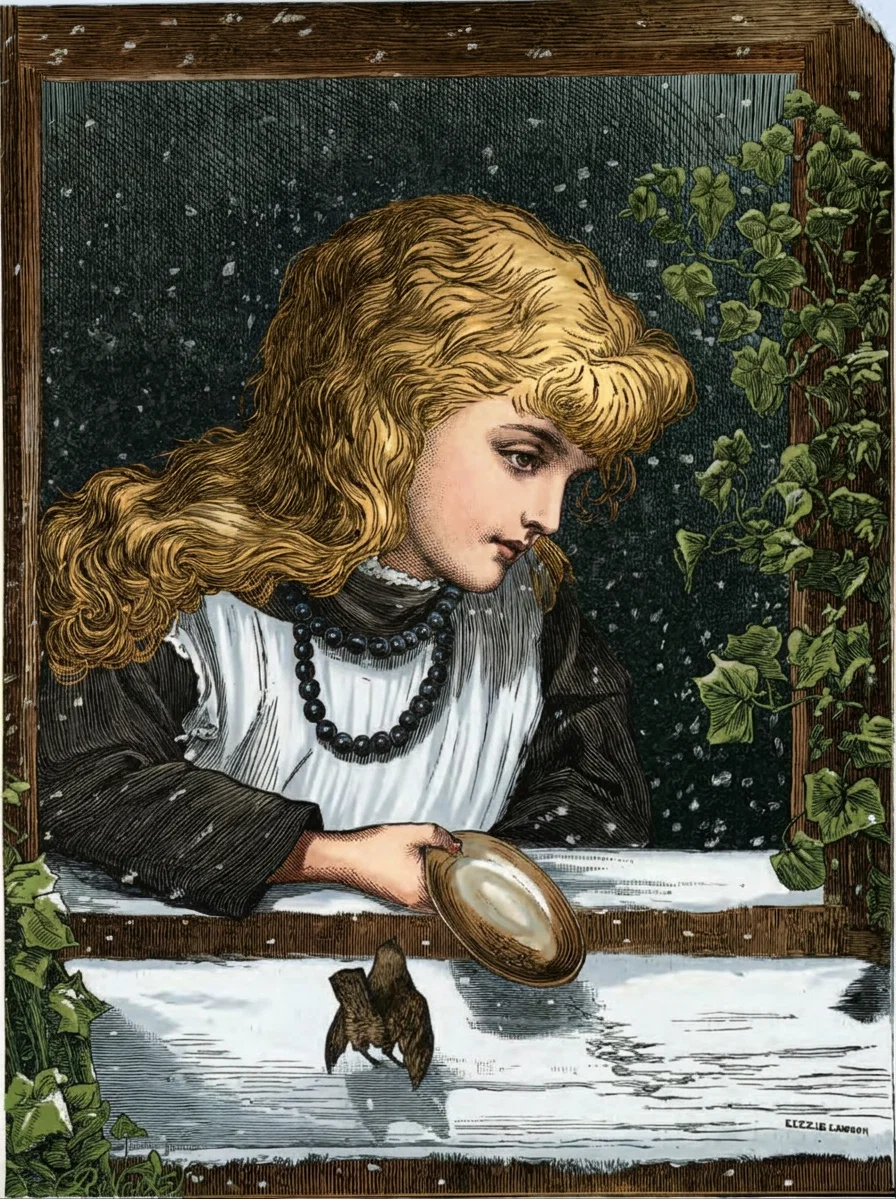
ONE cloudy, chilly, unsummer-like afternoon, I was standing in the garden with a stranger. Near us was a large clump of lilac bushes, into which we saw a bird of a dingy, faded, black color fly. Presently she broke out into what, perhaps, she called a song; but it was, in reality, just like the flat squalling of an old cat. “Yaah! yaah!” she continued to cry.
Restored with AI
“Pray,” said the stranger, “what bird is that making such a horrible noise?”
“That, sir, is the cat-bird.”
“I should think so, and a burnt cat, too! I thought it was homely enough to the eye, but the color is nothing to this screech.”
“I can’t say much at present to defend the poor bird, for looks and voice are against her. But I am confident you will think better of her ere long.”
The next morning I found my friend standing on the piazza, listening to the notes of a bird in a thick sugar-maple near by. The song was that of a mocking-bird, not so wonderful as the notes of the real mocking-bird, nor even so sweet as those of the thrush, yet they were round and full, and often exquisite. She seemed to repeat the note of every bird with which she was acquainted, robin, sparrow, oriole, and the like, with surprising accuracy. The air was still, and the bird seemed to be swallowed up in song.
“Pray tell me,” said my stranger friend, “what bird is that which sings so delightfully? It is not quite the thrush.”
Restored with AI
“That, sir, is our cat-bird.”
“You must be making fun of me. You don’t pretend to say that the homely, squalling bird we heard yesterday, and this singer, are the same!”
“I do truly, and to convince you I will throw a stone into the tree and drive her out, and you shall see that it is the same bird.” With that I threw the stone, and out popped Mrs. Cat-bird, making directly for the lilacs, where she began again to scream, “Yaah! yaah!” The gentleman looked on in amazement. “This bird,” said I, “is very much like some people. In those lilacs she has her nest, and that is her home; but there she never utters a pleasant note. I should think her husband would avoid her, and her little ones tremble at the sound of her voice. But when she gets away from home, up in the lofty tree, you see how agreeable she can be, and how sweetly she sings. I know many people just like her. When away from home they are full of smiles and gentle ways, and they seem to be the most agreeable people in the world. But see them at home! and the cat-bird’s notes are theirs. They contrive to make home just as unpleasant as possible—to themselves, and to everybody that happens to see them at home.”
“Oh, yes,” said the stranger, “I know scores of such people, some fathers and mothers, so easily pleased, smiling and pleasant away from home, but the moment they enter their own doors, every ray of cheerfulness fades out, and they are cold, silent, and repulsive. And some young ladies, I am sorry to say, are so lively, cheerful, obliging, and happy when away from home, that one would think they were uncommonly lovely, while at home they are discontented, disrespectful to parents, coarse, and unlovely. So with children. I know many like our cat-bird with her two songs, lively, cheerful, and well-bred among strangers, but the moment they get home, are rude, disobedient, rough, and ill-tempered. What is the reason why people do so?”—Ladies’ Repository.