THE PROPHET ELIJAH

10%

S. D. A. Publishing Association · Battle Creek, Mich. · Apr 18, 1888

FromThe Youth’s Instructor, Vol. 36, No. 16.

Read the full edition

THE PROPHET ELIJAH.

ELIJAH is perhaps the most mysterious character in the Bible. No account is given of his parentage as is of most of the prophets. We are not even told who he was or whence he came, but like Melchisedec he seems to be “without father, without mother, without descent, having neither beginning of days or end of life.” From the time that he bursts with his fierce malediction upon the astonished Ahab, to the time we see him mounting heavenward in his chariot of fire, his life is one succession of mysterious appearances and disappearances, as if he were some strange visitant from another world. It was this peculiarity of his that perplexed Obadiah when sent to arrest him; when he found the missing prophet, he was afraid to tell Ahab; for, said he, “The Spirit of the Lord shall carry thee whither I know not, and so when I come and tell Ahab, and he cannot find thee, he shall slay me.”
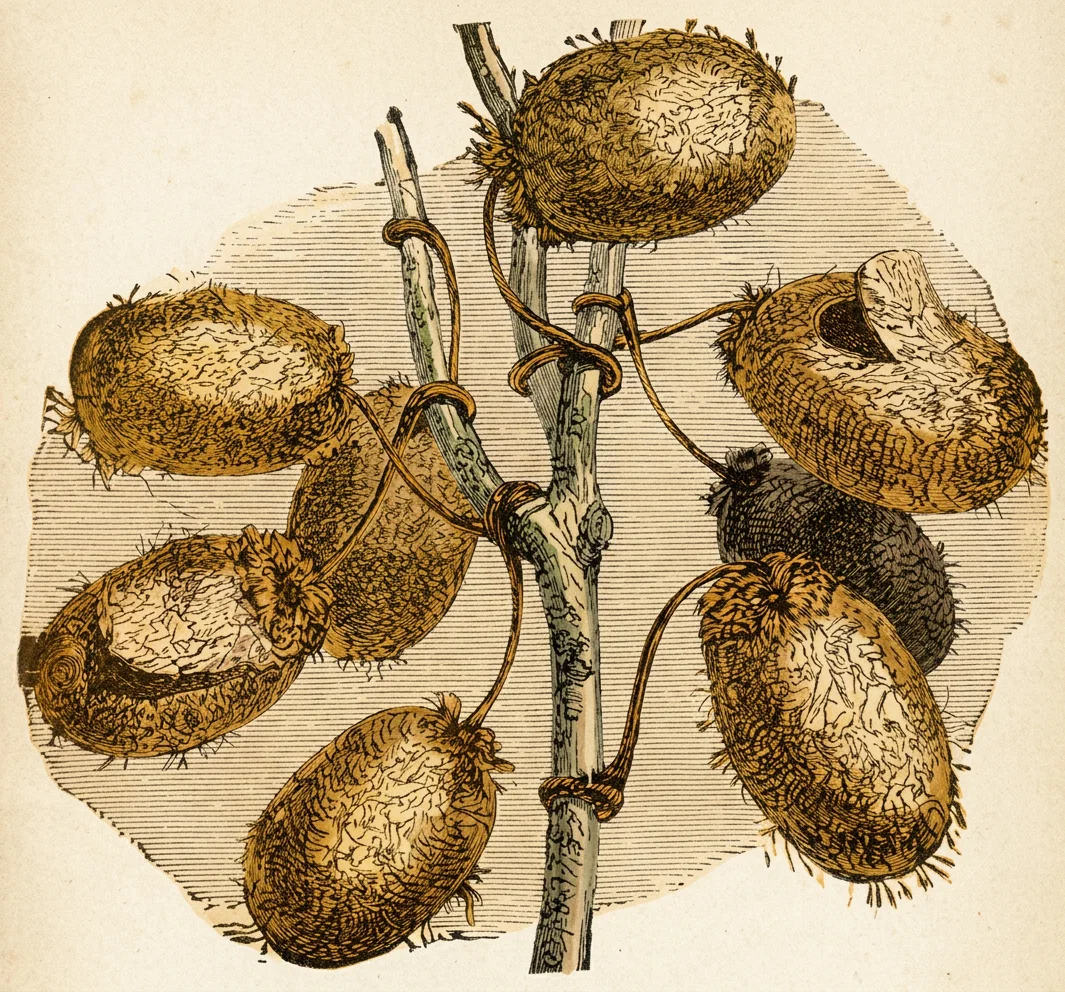
COCOONS OF THE SILK-WORM.Restored with AI
COCOONS OF THE SILK-WORM.
After his first interview with Ahab, when he, as it were, locked the heavens and went off with the key, Elijah is sent by God to the brook Cherith. Whilst the sultry winds dry up every rivulet from its bed, while the plants languish and die, and the lowing herds and bleating sheep search the parched fields for water, the Lord graciously preserves the life of his servant. He is fed by the ravens. There in that dreary wild near the Jordan, the man of God stays in solitude for several months. Dead silence reigns around, broken only by the babble of the purling brook, or the roaring of some distant famished lion, and the cawing of the ravens. But anon the brook dries up, and Elijah moves on at the command of God.
He then visits the widow of Zarephath, and fills her house with plenty. Alone with the widow and her son, the gentler traits of his character appear. The son dies. The widow accuses him of slaying her son. Without a word of reproach, Elijah takes the boy from her, and in secret pleads with his God, and the soul of the child returns.
After many days the Lord tells the prophet to show himself, for at his word he will send rain on the earth again. And then follows the wonderful yet well-known scene that took place on Mount Carmel. He discomforts and slays the false prophets of Baal, and then with wonderful faith he continues in prayer till the rain comes. He tells Ahab to stop feasting and hasten down to his palace; but the Spirit of God comes upon him, and he runs before the king’s chariot to the gates of Jezreel.
We catch a last glimpse of the hoary old prophet as he journeys with Elisha to the scene of his translation. The young prophets knew that their master was to be taken from them, and it seemed that the one who was present at his translation would be greatly blessed. So with dogged perseverance Elisha follows through every difficulty, and is rewarded by seeing the grand old seer carried to heaven in his chariot of fire.
Once more is Elijah seen on this earth, even with Moses on the Mount of Transfiguration; but only for a moment, and then gives place for one even holier than himself, for the frightened disciples “see no man save Jesus only.”
Elijah lived about B. C. 908, and may be called the miracle-worker of the Old Testament. James cites him as an example of what may be accomplished by prayer. At his word the heavens were closed; the dead raised; fire brought from heaven; and the waters made to obey. The Jews have been continually looking for his reappearance, but this will not be a literal coming, for he is only a type of God’s remnant people.
FRANK HOPE.