Word from Africa

9%

Review and Herald Publishing Assn. · Takoma Park Station, Washington, D. C. · Nov 20, 1906

FromThe Youth’s Instructor, Vol. 54, No. 47.

Read the full edition

Word from Africa

I have just returned from a trip eighty miles up the country, and have seen heathenism and the mark of the curse everywhere. I met with several different tribes, and while they spoke with different tongues and had different customs, they all meant the same thing—destruction.
I talked with the people and told them of Christ, the living and better way. They expressed a desire to learn, if only some one could be sent to teach them.
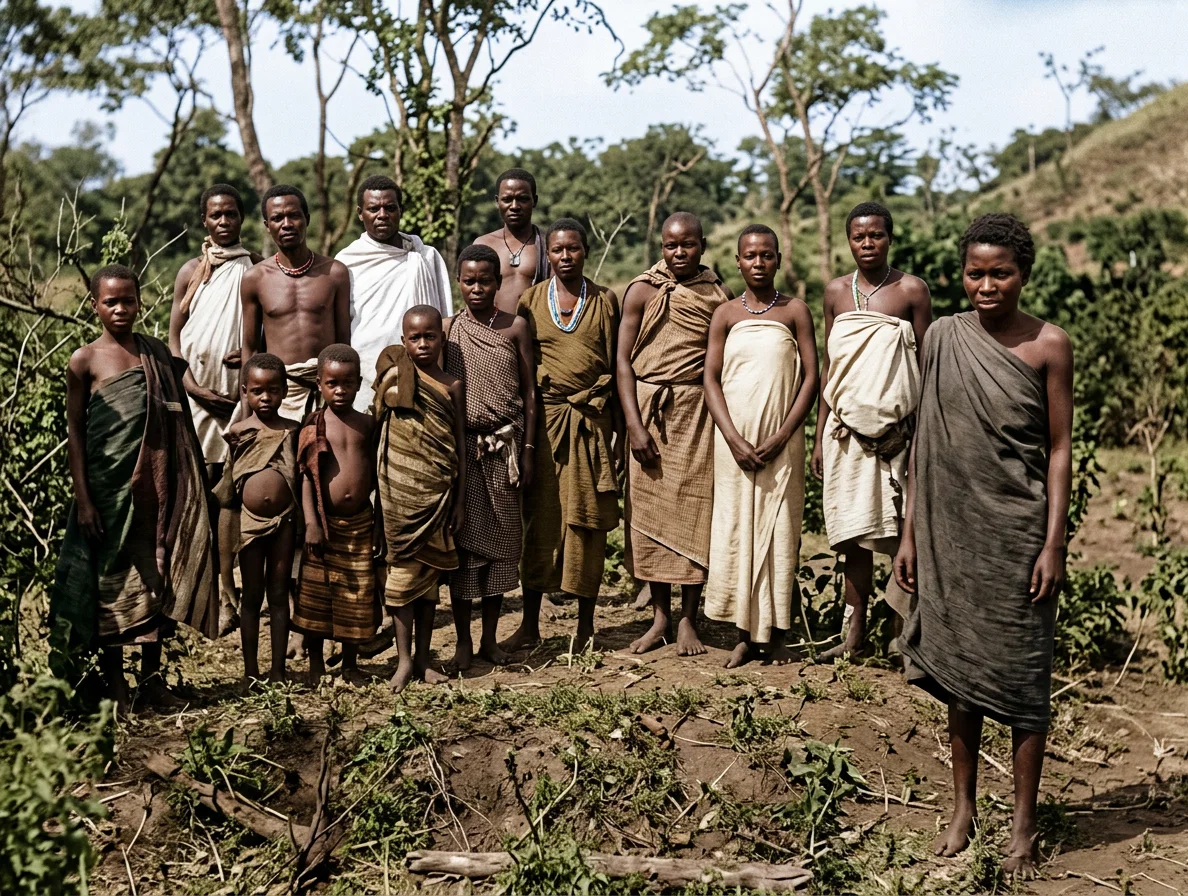
THE QUEEN IN THE FOREFRONT IS MARKED 1Restored with AI
THE QUEEN IN THE FOREFRONT IS MARKED 1
To reach a certain village, and to avoid being out in the hot sun, I walked all one night, meeting with many tenga men (native carriers), who asked many questions about the Sabbath, and about the plurality of wives, which is one of the great evils of the country. I told them that this evil was a great sin to themselves and to God. The old men said to me, “But you are only a boy; how can you know such big things?” “Yes, I am only a boy, but Jesus said, ‘If any of you lack wisdom, let him ask of God, . . . and it shall be given him.’” Then they said, “Will he teach these same things to us, men of ignorance?” I told them, Yes.
I saw many women and their children hoeing in their gardens, happily singing a native song. These came near to the road, and we talked with them, and they asked, “Does Jesus whom you tell us about care for us?” “Yes, so much so that he died that you might live.” This seemed very sad news to them, that he should die to save them from death, and they never knew it before.
You who are preparing to be missionaries, haste, for the needs of this great heathen field are many. The people are subject to many different kinds of sicknesses, and practise numerous evils in their blindness. If one in a village dies, they do not think it is the result of sickness, but that some one or ones in that village are witches. While the dead are still unburied, a great wailing is made, all are called, a council is held among the chiefs and their head men, lots are cast, and the one on whom the lot falls is given poison to drink. In this way many people are killed. At the same time a big dance and beer drinking is carried on for days, and when all are tired out, they prepare to bury the dead one. Then they find that parts of the corpse have been stolen and eaten by some of those present at the dance; then follows more poison drinking; this sort of thing lasts for weeks.
The people believe that beer is their food, and they say that it is impossible for them to live without it. “Woe unto them that rise up early in the morning, that they may follow strong drink; that continue until night, till wine inflame them.” Isa. 5:11.
Yours in the service of love,
PAUL BRANCH.
Plainfield Mission.