The sorrels are so common and familiar that it may seem almost unnecessary to mention them; but I have found that some have no names of distinction, by which to separate the three most frequently met with.
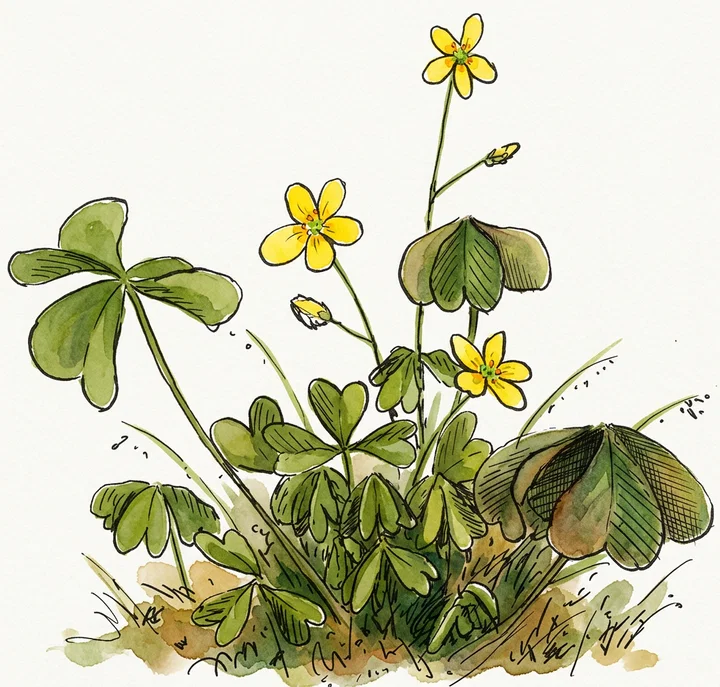
The little yellow Wood-Sorrel, or Lady’s-Sorrel, is very common in June in meadows, woodlands, pastures, and even upon city lawns in moist, cool places. It snuggles down in the grass, and is to be found all through the summer months. The flower is a bright, rich yellow, which gives the plant the name of Yellow Wood-Sorrel. The leaf bears some resemblance to the clover leaf, and has the peculiar characteristic of doubling in upon itself at night, or whenever the sun is too hot for it.
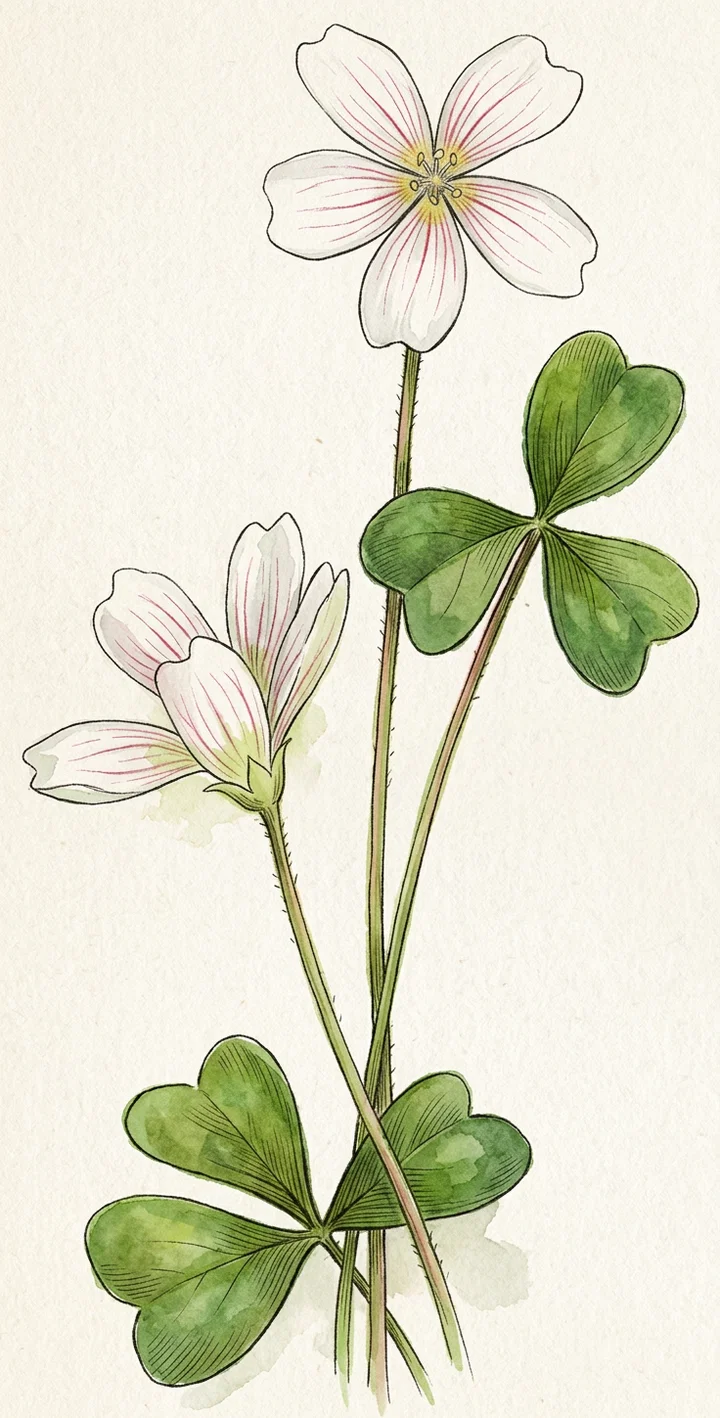
The White Wood-Sorrel is easily distinguished by its white, crimson-veined blossom.
It has been used by artists for hundreds of years in floral designs and ornamentations. The flower is something like that of the anemone, but the leaves will easily lead one to a right notion of its place in the floral world. Unlike the Yellow Sorrel, the flower-stem of the White Sorrel bears but one blossom.
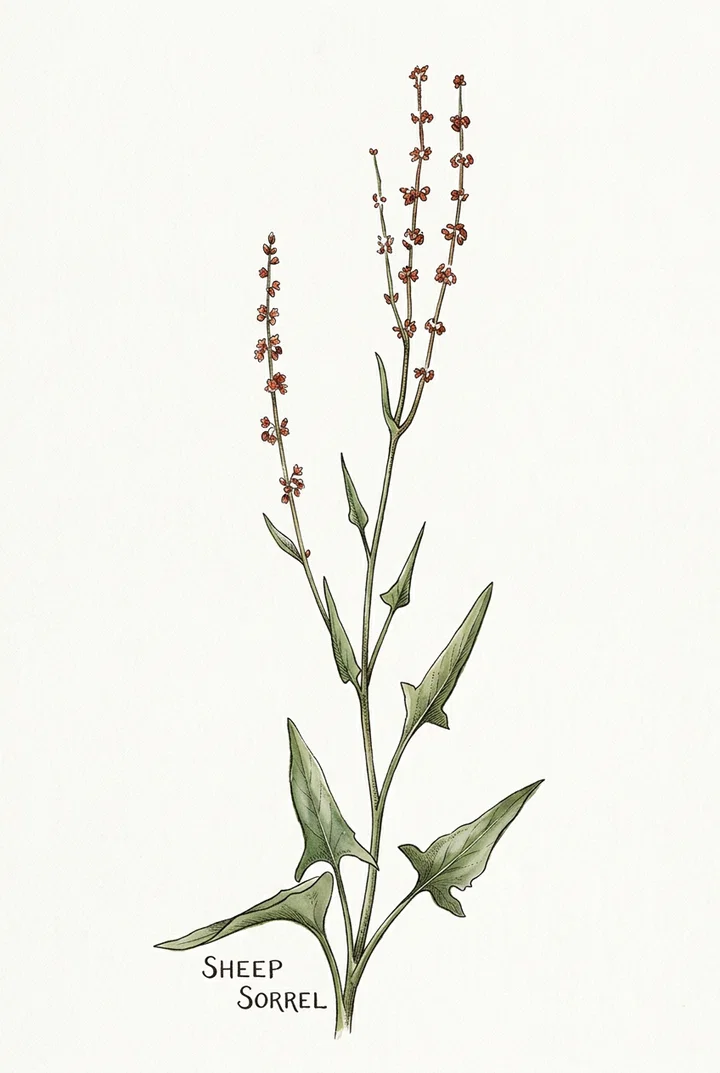
F. S. Matthews has something to say with reference to Sheep-Sorrel: “Sheep-Sorrel is a wretch of a weed, which will flourish in sandy or sterile ground, and is the bane of the farmer who tries ot raise clover for his cattle. Sorrel seed is so much like clover seed that the two get mixed up sometimes, to the utter discouragement of the farmer. I think the plant ought to be called ‘farmers’ bane.’ It belongs to the buckwheat family, and so can claim no relationship with Wood-Sorrel, which belongs to the Geranium family. I have seen a whole field as ruddy-looking as if it were filled with honest ripe buckwheat; yet the pretty terra-cotta color was produced by the flowering of this miserable Sheep-Sorrel.”
L. A. REED.