A Centennial

10%

Review and Herald Publishing Assn. · Takoma Park Station, Washington, D. C. · Aug 14, 1917

FromThe Youth’s Instructor, Vol. 65, No. 33.

Read the full edition

A Centennial

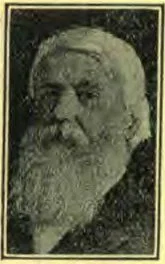
John B. Gough
John B. Gough
Did you ever hear grandmother or grandfather speak of John B. Gough, or tell some joke or anecdote which they remembered from his lectures? When they were young people, it was considered a great treat to hear this well-known temperance speaker, for he was a natural orator, and although he fought the liquor habit, his lectures were never “dry.” He had a wonderful life, and as the hundredth anniversary of his birth draws near, coming on the twenty-second of this month, it is interesting to read about some of the unusual experiences that crowded his sixty-nine years.
John B. Gough was born in England, but started out when he was only twelve years old to seek his fortune across the ocean in America. After the long voyage he traveled still farther, going on to western New York to stay for a time on a farm with some friends of his family. Later, he went to New York City to learn the trade of bookbinding. In 1833, when he was sixteen, his mother journeyed across the water to join him, and the two had a home together until her death, two years later.
After he was left alone, the temptations of the big city became too great for him. He began to drink, finally losing his job as the result of dissipation. For a few years he grew more and more degraded, until he was reduced to making a living by reciting and singing in low saloons. Just seven years after his mother’s death he attended a temperance lecture in Worcester, Massachusetts. His life, from that time on, was entirely changed. After one fall back into the old ways, he succeeded in shaking off his evil habits, and was soon settled in an entirely respectable manner of living.
He had learned too much of the sin and wretchedness of the world, however, to be able to forget the wretchedness of the life he had left behind him. He seemed to feel an irresistible wish to help the thousands of miserable people who were in the condition from which he had been saved. As a temperance lecture had been the means of rescuing him, he resolved to enter the same line of work. He became a public speaker, lecturing on the subject of temperance in this country and in his old home. He made three trips to England of several years each.
John B. Gough “died in the harness,” for he was stricken with apoplexy while in the midst of a lecture, and died a day or two later. In his autobiography he has left a record of many of his experiences. He also published a collection of his lectures.
Your grandparents will tell you that you cannot know much about his lectures by reading his book, because it was his manner of telling a funny story or giving a sad picture of a drunkard’s home that brought the smiles or the tears to the faces of his hearers. The same talents which drew a crowd around him when he sang to the revelers in a saloon, kept the people spellbound in the churches and lecture halls in his later life.
There are very few people who have been able to do more good in the world than John B. Gough. Drunkards were influenced by him because they knew he had been one of them and had climbed back to respectability. The highest classes of people listened to him with respect because of his wit and eloquence, and were induced to have more sympathy for the unfortunates for whom they might have felt nothing but scorn and disgust. To conquer his own weaknesses and then to use his experiences in teaching other people how to conquer theirs, certainly seems the most beautiful way to redeem the sins of a misspent youth.
MRS. MARY P. DAVIS.