Some years ago I was spending a few days in a certain city, when I received an invitation to dine with a small but select club. The members of this club were all brainy men, and the excellent menu served was rendered more enjoyable by “the feast of reason and the flow of soul.” When I saw that the gentlemen were about to light their cigars, I rose and said, “Gentlemen, will you kindly permit me to withdraw? The odor of tobacco is obnoxious to me.” “No! no! no!” clamored the company. “Don’t you really smoke? You don’t know what paradise is. How is it you never learned to smoke—such a traveler as you are? We are curious to know. Cannot you tell us how it came about?” “Certainly,” I replied, “if you will agree not to light your cigars until I have left the room.” The promise being given, I proceeded to relate the following story:—
We didn't smoke.
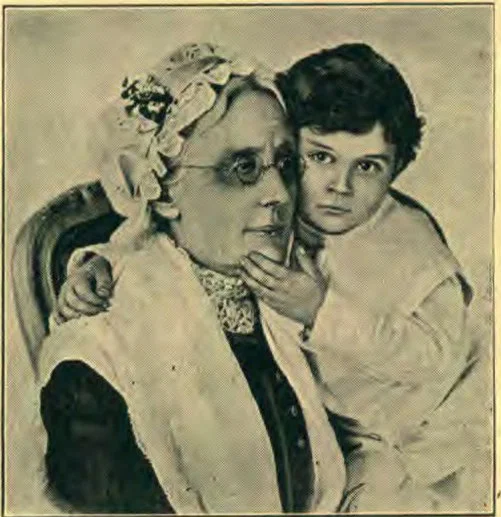
“When I was a boy, I thought I had the dearest grandmother that ever lived. She was very fond of me, and I delighted in going to visit her; but I could not endure my grandfather. Unless he was eating or sleeping, he always had a vile-smelling pipe in his mouth. My grandmother once confided to me that it was the one great trial of her life that she had to endure such a detestable odor. She said she did not wish my father to learn to smoke, but grandfather took him into the barn and made him smoke.”
“When I was between sixteen and seventeen, I began to realize what a fine-looking man my father was. He was tall and perfectly proportioned; his features were handsome, and he had a most pleasing smile. He used to say he liked to see a fine-looking man smoking a good cigar, and he usually had a cigar between his lips.”
“Shortly after this, he developed cancer of the tongue. I was almost his only nurse during the months of excruciating suffering which followed; and when he had his tongue cut out, I believe that I suffered fully as much as he did. After his tortures were over, and his body had been put under the sod, I said over and over to myself, ‘What fools men are! what utter idiots! to deliberately choose to acquire a habit which overmasters them, and which brings such terrible consequences.’”
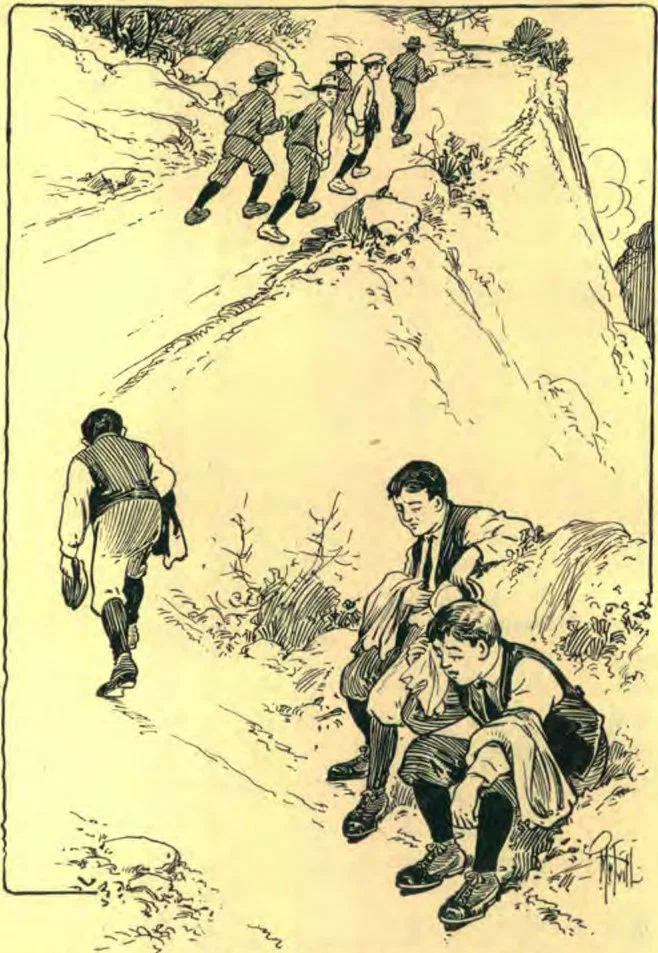
“The boys who had been smoking were playing out.”
Then rising I said, “Gentlemen, I wish to thank you for a pleasant evening, and I trust you will pardon me if I leave you now.”
Man is the most wonderful creature in the universe. By aspiration he may rise to heights illimitable, and become a master—a creator of conditions. By transgressing or ignoring certain laws, he will sink into the lowest depths of degradation. The choice is yours. Which will you choose for yourself and for your children?