The Overshadowing Curse
By G. B. Thompson
G. B. Thompson
ONE night while I was walking with some friends along a crowded thoroughfare in one of our metropolitan cities, the doors of a gilded saloon were suddenly pushed open, and a man was thrown out on the sidewalk. He was in the prime of life, not much past his majority, but a rum-soaked, ragged, dirty, homeless pauper. As he lay on the sidewalk endeavoring to stagger to his feet, a companion said, “What is that?” I remarked, “A saloon keeper has just set outside one of the finished samples of his work.” The saloon took him early in life, noble and clean, loved and honored by his parents and the community, and transformed him through drink into a poor, wretched, homeless, friendless vagabond, a dishonor to the mother who gave him birth. It was now through with him.
The unspeakable misery and far-reaching evil effects of the overshadowing curse of intemperance are known only to Him who can read and fully measure the hidden grief and anguish of the human heart, into which the incessant waves of intemperance have been pouring a stream of woe for millenniums. Beyond all question, the foulest blot on civilization, the most dangerous foe of the race, is the liquor traffic. We can never measure the ghastly tragedy of rum drinking. It has been truly said that the saloon is a licensed turnstile into criminal dumps, being the first place where officers of the law look for criminals, dead beats, and vagrants of every description. The unspeakable devastation and spoliation of drink stagger the imagination, and have reached such huge proportions as to shock the civilized world with inexpressible horror. Nevertheless the traffic, with brazen effrontery, continues to carry forward its infamous work of manufacturing paupers, sots, degenerates, and idiots.
A noted temperance lecturer has said: “Science, without bias, cold, accurate, calculating, testifies that alcohol is a poison to the body. Experience comes and sets before our view an inept, sullen, moaning, struggling, unhappy procession of victims, so long that it would almost reach across the continent, so sad that it would move a stone to pity. She shows the dry husks of hope, insanity, and sudden death, disease, want, waste, and bloody crime. Religion comes forward and declares her testimony. She relates how hearts have been hardened to her eternal truths; she exhibits rents in the garments of justice, and bloody smears, mercy fleeing before hate, passion in flame, and love with a broken wing.”
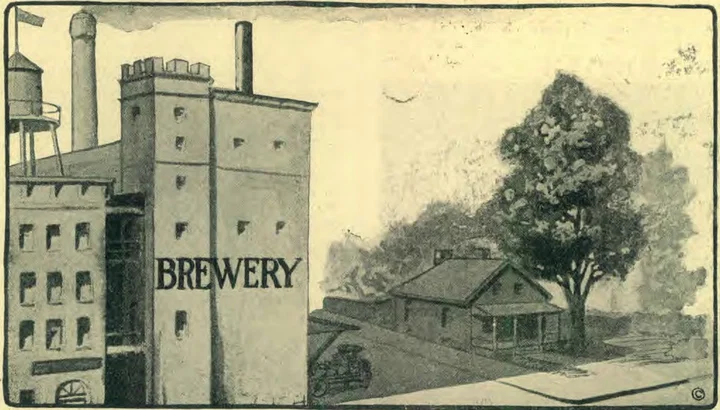
These statements are not overdrawn. Intoxicating drink stands condemned at every just and righteous tribunal, and is shown to be the greatest curse which has overhung the world since man sinned. Its debauchees are clean, pure boys and girls, ruined and damned by the fatal cup. Figures so authentic as to admit no denial, lay before us the shocking and appalling fact that annually a hundred thousand victims of strong drink fall into dishonored graves in the United States. Picture to yourself, if you can, a cemetery in which are annually crowded a hundred thousand newly made graves, around which are gathered thousands of weeping and disconsolate friends and loved ones, through whose tears there streams not a single ray of hope, for God has said that no drunkard shall inherit eternal life. Ruined and cursed in this life, dishonored in death, and eternally damned in the world to come! And to fill the depleted ranks of these debauched and depraved victims of rum more than a hundred thousand beautiful boys and girls must be supplied annually from our homes. Think of this, fathers and mothers! What an awful tragedy! Those who believe and advocate that this infernal traffic should continue ought to be willing to come forward with their boys and girls to fill the depleted ranks of the staggering, besotted, ruined victims. Through millenniums of time the touching cry of suffering womanhood and the famished wail of beggared childhood have been ascending to God for deliverance from this terrible evil which covers the earth with a funeral pall. Why the distillery, brewery, and saloon are allowed to continue their work of corruption and ruin we cannot understand, when we could banish them from among us if we would.
The power and torment of an appetite created by alcoholic beverages, hold the victim of rum with a fixed and terriblep. 7 embrace; they haunt him through life, and tend to lead him to hell at last. John G. Woolley, the noted temperance advocate, once a victim of strong drink, tells us a little of his struggle in escaping from the venomous coils of the drink demon. He says:—
I shall never drink again; but one night in a New England train, when very ill, I met a stranger who pitied me, and gave me a quick, powerful drug out of a small vial, and my pain was gone in a minute or two; but alcohol was licking up my very blood with tongues of flame.
I should have got drunk that night if I could. I thought of everything—of my two years of clean life; of the meeting I was going to, vouched for by my friend and brother, D. L. Moody; of the bright little home in New York; of Mary and the boys. I tried to pray, and my lips framed oaths. I reached up for God, and he was gone; and the fiercest fiend of hell had me by the throat, and shouted, “Drink, drink, drink!”
It was not yet daylight, Sunday morning, when I stood on the platform at Pawtucket, Rhode Island, alone. I flew from saloon to saloon; they were shut up; so were the drug stores, and all that day, locked in my room at the hotel, I fought my fight, and won it in the evening by the grace of God. But the people of Pawtucket never knew that the man who spoke to them that night had been in hell all day.
Touching the terrible suffering of his faithful wife during the years he was enslaved by drink, Mr. Woolley draws the curtain delicately aside in the following graphic words:—
Several years ago, at another time, after a long lecture tour in the West, I telegraphed to my wife in Boston, “I shall arrive home to-night at eleven.” The train was late, and long after midnight I came under her window. The light was burning, and I knew that she was waiting for me. I let myself in; there were two flights of stairs, but twenty would have been nothing to me.
She stood in the middle of our room as pale and cold and motionless as a woman of snow, and I knew at a glance that the sweet, brave life was in torture. “What is it?” I cried; “what is the matter?” And in my arms she sobbed out the everlasting tragedy of her wedded life. “Nothing—at any rate, nothing ought to be the matter. I do believe in you; I knew you would come home; but I have listened for you so many years that I seem to be just one great ear when you are away beyond your time; I seem to have lost all sense but that of hearing when you are absent unexplained, and every sound on the street startles me, and every step on the stairs is a threat and a pain, and the stillness chokes me, and the darkness smothers me. And all the unhappy home-comings troop through my mind, without omitting one detail; and to-night I heard the children sighing in their sleep, and I thought I should die when I thought of you having to walk in your weariness and in this midnight through Kneeland Street alone.” And I say, God forbid that we should fail to be concerned when such an influence is working in the city.
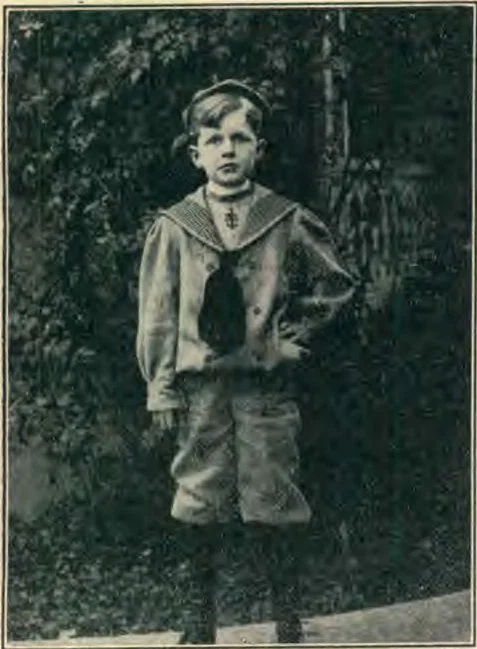
In these words we have a faint glimpse behind the curtain, and behold a little of the anguish and sorrow of tens of thousands of other homes, where the wife waits for the halting footsteps and stumbling figure of the man who calls her wife, and who promised to love her. Look at the drunkard, once a noble specimen of intelligent manhood; for liquor can and does lay hold upon minds of the finest texture. See him now, the finished product of the saloon. Voluptuous habits bind the power of mind and body in a loathsome vassalage. His mind revels in low and beastly pleasures to which he is a slave. Besotted by rum, he is continually tantalized and distracted by base and inexorable cravings. From the fountain of a diseased and depraved imagination flow a stream of impure and vile thoughts, the product of a mind which has lost its vigor, and every faculty of which has rapidly deteriorated and decayed. From the memory has been extinguished the light and joy of former days, and the sweetness and purity whispered into his ears as he prattled in innocence around his mother’s knee have been rooted up. The heart has become cold and calloused. The fire of love and sympathy has gone out, leaving but a cinder. His features are marked with premature decay, and tell the sad story that the purity of manhood has been destroyed, burned away, as it were, by the flame of a volcano within. The elements of life, abased and exhausted, leave the vital organs and functions of the body withered and weak. In the wake of all this follow the most painful infirmities and gruesome maladies to which stricken humanity is heir. Witness the hopeless idiots, epileptics, chattering imbeciles, and inmates of asylums screaming in frenzy, with reason dethroned.
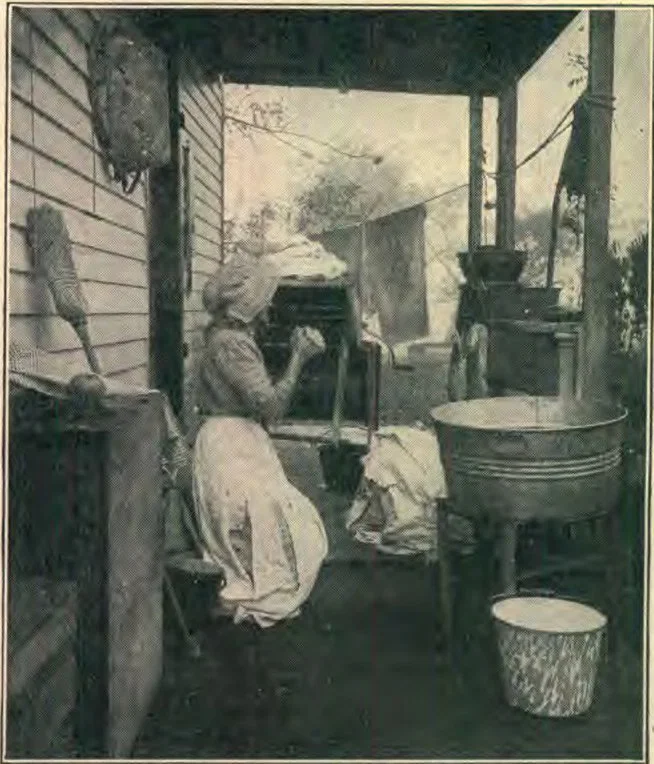
It is not within the power of the pen to portray the horrors which follow in the train of the traffic in rum. Think of the burning, scalding tears which flow from the eyes of the grief-stricken, white-haired father and mother as they listen to the maniac shrieks of a son or daughter, hopelessly insane as the result of strong drink. Imagine, if you can, the harrowing fear of the wife in loneliness, hunger, and rags, awaiting the return of the man she once loved, the father of her children, but now changed by rum into a monster of hate and cruelty. Think of the wearisome days she has experienced, sitting in poverty and destitution. Think of the long, sorrowful nights she has waited, pale and wan, in terror for his footsteps. Think of the piercing remorse and unconsolable grief of the son and daughter as they see their own father a drunken, ragged, dirty loafer consigned to a felon’s cell, or sentenced to die on the gallows, for some terrible deed committed when his brain was on fire with alcohol, and his reasoning faculties were benumbed by the vile stuff sold by those who stand on the brink of the pit and for money deal out damnation by the dram.
Think of the torment and anguish, like gnawing pain, excited by a sense of his guilt, as the criminal father and husband sits in his cell and meditates with regret upon his sad and terrible condition, and thinks of the heritage whichp. 8 he has handed down to his children; that their father, once a good man, is now a vagabond criminal, incarcerated in a penal institution to atone for his wrongs.
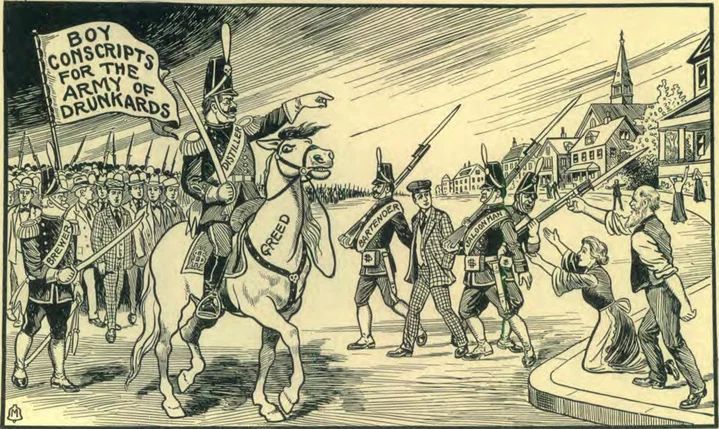
Think of the blasphemies and debauchery which emanate from these hybernating dens where thieves, burglars, and convicts plan arson, murder, and other terrible crimes which cause the world to shudder. Think of the moral dangers of these cesspools of hell, made such by intoxicating drink. Think of the friendships which have been broken, the sad separations of loved ones, the distrust engendered, the dark forebodings, the harsh self-reproaches, the bitter enmities, the regrets and heartaches, caused by rum. Finally sum up the terrible total, and we can well understand the words of the wise man:—
“Who hath woe? who hath sorrow? who hath contentions? who hath babbling? who hath wounds without cause? who hath redness of eyes? They that tarry long at the wine; they that go to seek mixed wine.” “Wine is a mocker, strong drink is raging; and whosoever is deceived thereby is not wise.” Prov. 23:29, 30; 20:1.
Shall this overshadowing curse be permitted to exist indefinitely? Shall this terrible destroyer be allowed to continue his work of plundering the stricken race, robbing men of the priceless heritages which lift them above the brutes, and no effort be made to stop its ravages? Or shall the people of a free country arise in their manhood and throttle this monster which has so long enslaved and debauched the race? It can be done. The manufacture and sale of this vile stuff can be suppressed by law. Let us do it.