An Interesting Letter

8%

Review and Herald Publishing Assn. · Washington, D.C. · 1916

FromThe Youth’s Instructor, 1916 Temperance Annual

Read the full edition

An Interesting Letter

JUST as soon as a town, county, or State goes dry, the mail-order liquor houses and other liquor firms flood the mails with letters and circulars, offering their services to the people in aiding them to evade or break the prohibitory law. One of these letters was sent unwittingly to Rev. E. M. Evans, of Des Moines, Iowa. The letter offered to tell the worthy divine how to get his “favorite brand, now that the saloons in Des Moines are closed.” Mr. Evans, in his reply to this public-spirited firm, said:—
It was very kind and thoughtful of you to inform me of a way of securing your favorite brand, Old Bob Adams whisky, since Iowa has gone crazy and butted in on our personal liberties. One would expect better things of Iowa than to interfere with the faithful service of such as Old Bob Adams. I offer myself as a witness to the untiring energy and successful accomplishment of his race.
Last January a young man stood at my door shivering with cold, and asking for bread and for a place to rest his discouraged head. He was a remnant of refinement, which led me to ask him why he could not earn the necessaries of life.
With a pathetic quiver of his lip, he admitted that a leading brand, not unlike Old Bob Adams, had selected him for a regular customer, and the business world would not stand for it, notifying him that there was no place for his services. Why can't the business world see beyond its nose and behold great breweries, elegant palaces, fine motor cars, sumptuous meals, rich clothing, and all that belongs to your gigantic business, and keep its hands off? What right has the business world to interfere with personal liberties?
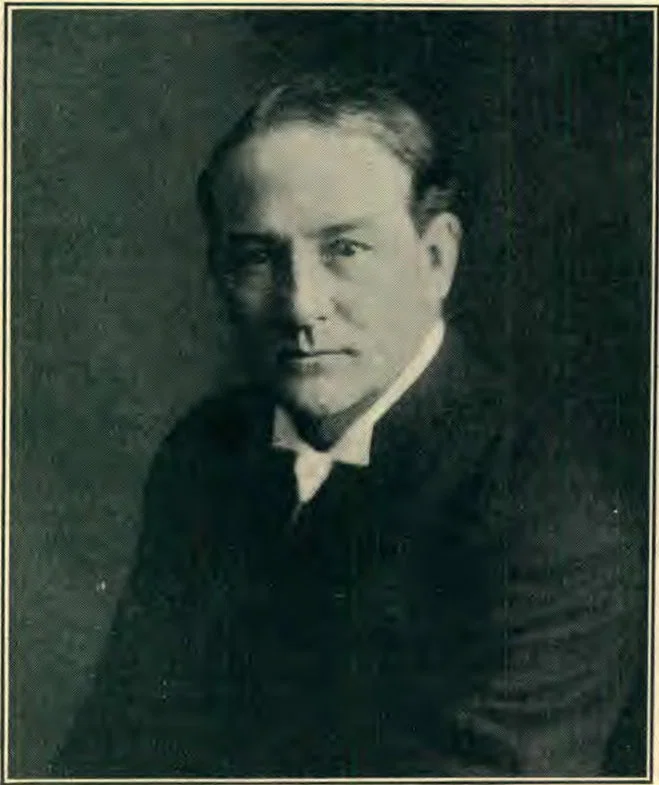
REV. E. M. EVANS
REV. E. M. EVANS
Not long ago I carried a basket containing food to a house where some side partner of Old Bob Adams had been before me. The wind whistled through broken windows as I listened to the weak and pathetic cry of hungry children and the pleadings of a heartbroken wife, with sunken eyes and pale face, for the bare necessities of life. The husband and a relative of Old Bob had long been friends. They together had bought rich food for the brewer's children, fine clothing for the brewer and his wife, and contributed generally to the upkeep of his expensive establishment.
Since reading your letter, I walked down Fifth Street of this city, passed the Neal Institute and Keeley establishment. I saw men who once had bright prospects for a successful and an independent future, but their faces today are covered with a literature of sorrow and defeat.
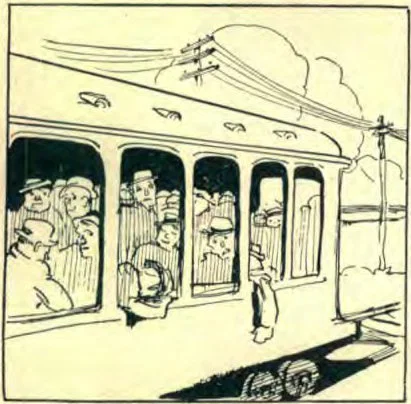
I note you pay the freight on returned empties. I should like to send you a full carload of empties if you will honor your agreement. I suppose the freight will be much cheaper on full carload lots? To be honest with you, the empties are not in first-class condition.
They consist of empty men,—empty of manhood, energy, ambition, prospects, self-respect, and necessaries of life; empty head, empty heart, empty soul, empty stomach; also empty women,—empty of womanhood, refinement, modesty, and hope. Will it be worth while making the return of this carload of empties? Will this carload of empties be worth the freight to you?
A Carload of Empties.
I will file your blank order sheet, and when I conclude to sell my soul, damn my manhood, debauch womanhood, sap the lifeblood of childhood, I will honor you with a large order of Old Bob Adams.