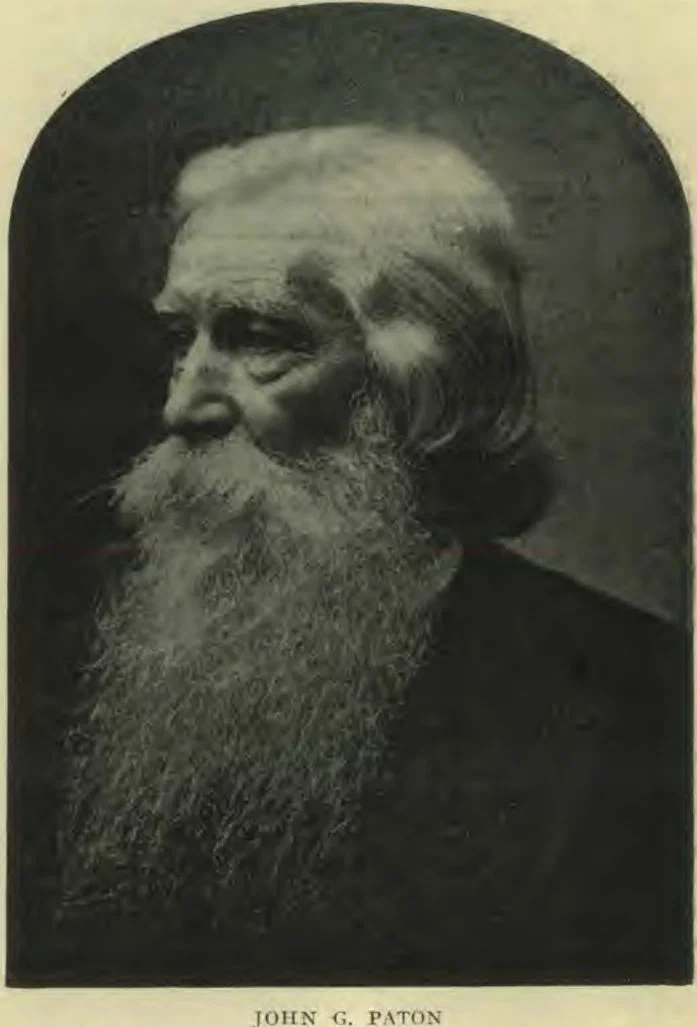
Senior No. 4 — Lesson 13: “Story of John G. Paton,” Chapters 1-7
Test Questions
1. Of what parentage was John G. Paton?
2. Describe his early home, telling something of the religious atmosphere there.
3. What trade did Paton learn? Of what practical value was this knowledge to him?
4. Relate an incident showing his firmness of character.
5. What definite purpose did he have in life?
6. Why did he go to Glasgow? Tell something of his early struggles there.
7. Describe the home-leaving.
8. After he gave up teaching, into what work did the providence of God lead him? How marked was his success?
9. Do you see any indications of the future foreign missionary?
10. What helpful suggestions do you find in this lesson on methods used in city mission work?
Note
“After a considerable term of service as a city missionary, Paton was about to be removed to some other field, because of the apparent unfertility of his work. A few who had enjoyed his ministry determined that they would try what individual invitations could do to increase the number of his congregation. Astonishing were the results! The largest available place speedily became too small for the crowds that were brought together by this simple form of individual effort.”
Junior No. 3 — Lesson 12: “How the World Is Clothed,” Pages 316-335
Test Questions
1. WHAT did some people use for pins during the Revolution? What did pins cost in 1812? Why?
2. When did England first make pins? When did this country? How many does the United States make every year?
3. How are pins headed, sharpened, polished, and put in paper?
4. What pins are still partly made by hand? How many glass-headed pins can a man head in a day?
5. Tell how a piece of wire is made into a needle.
6. Who invented the sewing-machine? What two kinds are now common?
7. In what different industries are sewing-machines essential?
8. What first created a demand for the large clothing factories?
9. How is the work divided among those employed in these factories?
10. Describe the cutting of garments.
11. What is meant by “sweating,” as applied to the making of clothing?
12. At what time of year are summer suits manufactured? winter suits?