LINCOLN, the emancipator of the Negro, pleaded for abolition of the liquor traffic, even before he sundered the chains of chattel slavery — but pleaded in vain. Wendell Phillips, with the broken bonds of slavery beneath his masterful feet, begged for its overthrow, but could get no answer. John B. Gough and Francis Murphy, with souls afire and tongues aflame, implored its abolition, but died and went their way leaving its strangling grip unloosened. Women — the best and tenderest our land has known — have prayed for half a century for its abolition and sought to melt with their hot tears the fetters that have bound us, but their prayers and tears, fervent and scalding as they have been, have not been sufficient. The prayers have failed, and the tears, enough to fill the sea and make its waters bitter with their brine, have left the chains upon which they fell uncorroded.
So in our shortsightedness and impatience we have thought and said, but we erred both in thought and word; for now all that has been spoken, or written, or prayed, or wept for, lies within the cup outstretched to us, in one converged, climacteric hour.
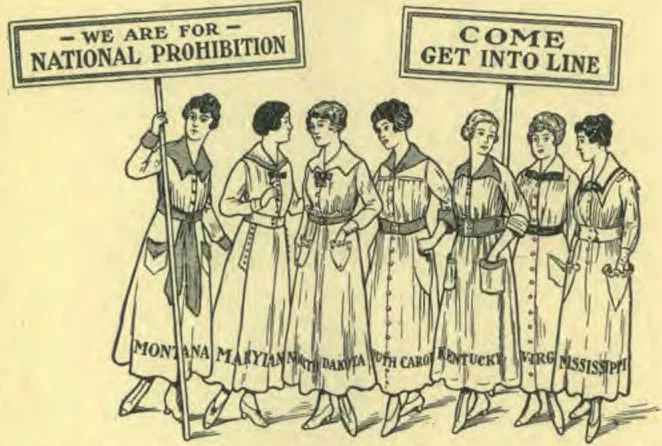
Twenty-seven States have filed their answer in public law or constitution. Seven more are writing their answer now and will file it in November. Alaska and Porto Rico are free. The District of Columbia — seat of the nation's capital — has been redeemed. The traffic's advertisements to dry States have been excluded from the Federal mails and the arteries of interstate commerce closed to the transportation of its products into dry territory, and the Congress of the United States — the supreme lawmaking body of a hundred millions of people — has submitted to the States for their ratification an amendment to the Federal Constitution, providing for its abolition throughout the jurisdiction of the Republic. Seven States have already recorded their confirmation, others are soon to follow. In November the members of forty-five legislatures are to be elected. These legislatures, when convened next January, will constitute the battle ground for its Armageddon. If we, as a people, do but rise to the prize of the mark of our high calling we can make this hour the most signally significant in human history.— Ex-Governor Hanly of Indiana.