Ye shall keep my Sabbaths, and reverence my sanctuary: I am the Lord." Lev. 19: 30. The chosen people of God are a reverent people. They are distinguished not only by reverence for the true Sabbath, but also by reverence for the sanctuary, or house, of God. The psalmist says: “God is greatly to be feared in the assembly of the saints, and to be had in reverence of all them that are about him.” Ps. 89: 7. And Solomon has handed down to us the caution, “Keep thy foot when thou goest to the house of God, and be more ready to hear, than to give the sacrifice of fools.” Eccl. 5: 1.
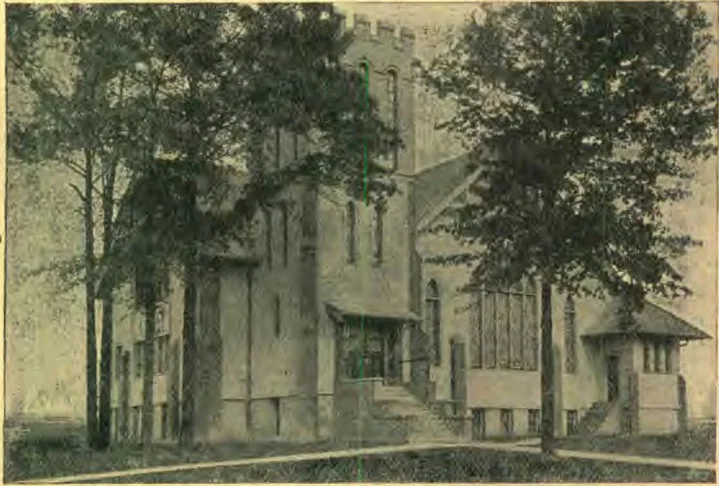
That there is a growing tendency on the part of many to regard the house of God with less respect and reverence than formerly is an obvious fact, and we are admonished by the servant of the Lord to read often the “directions given by God himself to the Hebrews, that we who have the light of the glorious truth shining upon us, may imitate their reverence for the house of God.”
We have reason to be even more thoughtful and reverential in our worship than had the Jews, for we are soon to stand in the presence of our God and be at home in his courts. Surely, then, instead of slackness, there should be a most earnest seeking of God for that solemn reverence and faith with which angels come into his presence. But how solemn is the statement: “Because of irreverence in attitude, dress, and deportment, and a lack of a worshipful frame of mind, God has often turned his face away from those assembled for his worship.”
Paul says: “These things write I unto thee, . . . that thou mayest know how thou oughtest to behave thyself in the house of God, which is the church of the living God, the pillar and ground of the truth.” 1 Tim. 3: 14, 15. While this text refers to more than the behavior of a person in the church building, it evidently embraces this also. And again, in the writings of Mrs. E. G. White we read: “Nearly all need to be taught how to conduct themselves in the house of God.” It is therefore appropriate at least to review the explicit instruction which has been given us in this important matter.
Personal Appearance
“I am often pained as I enter the house where God is worshiped, to see the untidy dress of both men and women. If the heart and character were indicated by the outward apparel, then certainly nothing could be heavenly about them. They have no true idea of the order, the neatness, and the refined deportment that God requires of all who come into his presence to worship him. . . .
“Some will enter the place of worship with their hats on, in soiled, dirty clothes. Such do not realize that they are to meet with God and holy angels. There should be a radical change in this matter all through our churches. . . .
“All should be taught to be neat, clean, and orderly in their dress, but not to indulge in that external adorning which is wholly inappropriate for the sanctuary. There should be no display of the apparel, for this encourages irreverence.”
Entering the House of Worship
“When the worshipers enter the place of meeting, they should do so with decorum, passing quietly to their seats. . . . Ardent, active piety should characterize the worshipers.”
“Parents should not only teach, but command, their children to enter the sanctuary with sobriety and reverence.”
Teach them “to understand that when they enter the Lord’s house, it should be with hearts that are softened and subdued by such thoughts as these: ‘God is here; this is his house. I must have pure thoughts and the holiest motives. I must have no pride, envy, jealousy, evil surmising, hatred, or deception in my heart; for I am coming into the presence of the holy God. This is the place where God meets with and blesses his people. The high and holy One who inhabiteth eternity looks upon me, searches my heart, and reads the most secret thoughts and acts of my life.’

Let all be reverent.
Waiting for the Service to Begin
“If some have to wait a few minutes before the meeting begins, let them maintain a true spirit of devotion by silent meditation, keeping the heart uplifted to God in prayer that the service may be of special benefit to their own hearts, and lead to the convictionp. 4 and conversion of other souls. They should remember that heavenly messengers are in the house. . . . If when the people come into the house of worship, they have genuine reverence for the Lord, and bear in mind that they are in his presence, there will be a sweet eloquence in silence.”
“We all lose much sweet communion with God by our restlessness, by not encouraging moments of reflection and prayer. The spiritual condition needs to be often reviewed, and the mind and heart drawn toward the Sun of Righteousness.”
During Intermission
“Common talking, whispering, and laughing should not be permitted in the house of worship, either before or after the service. . . .
“The whispering and laughing and talking which might be without sin in a common business place, should find no sanction in the house where God is worshiped.”
“If there is a stove in the room, it is not proper to crowd about it in an indolent, careless attitude.”
“All the service should be conducted with solemnity and awe, as if in the visible presence of the Master of assemblies.”
When the Minister Enters
“When the minister enters, it should be with dignified, solemn mien. He should bow down in silent prayer as soon as he steps into the pulpit, and earnestly ask help of God. . . . Solemnity rests upon all, and angels of God are brought very near. Every one of the congregation, also, who fears God, should with bowed head unite in silent prayer with him, that God may grace the meeting with his presence, and give power to his truth proclaimed from human lips.”
During Prayer
“When the meeting is opened by prayer, every knee should bow in the presence of the Holy One, and every heart should ascend to God in silent devotion.”
Singing
Sing with heart and voice. Make it a joyful service. “The melody of song, poured forth from many hearts in clear, distinct utterance, is one of God’s instrumentalities in the work of saving souls.”
Be Attentive
God wants attentive hearers. “Listen attentively. Sleep not for one instant, because by this slumber you may lose the very words that you need most,—the very words which, if heeded, would save your feet from straying into wrong paths.”
Disturbing Elements to be Avoided
“Sometimes a little child may so attract the attention of the hearers that the precious seed does not fall into good ground and bring forth fruit.”
While disturbance by children is at times unavoidable, greater care needs to be exercised in keeping them quiet, and they should be quickly removed from the audience when crying.
“Sometimes young men and women have so little reverence for the house and worship of God that they keep up a continual communication with each other during the sermon. Could these see the angels of God looking upon them, and marking their doings, they would be filled with shame, with abhorrence of themselves.”
The Benediction
“When the benediction is pronounced, all should still be quiet, as if fearful of losing the peace of Christ. Let all pass out without jostling or loud talking, feeling that they are in the presence of God, that his eye is resting upon them, and they must act as in his visible presence.”
If favored with a postlude by the organist, all should remain standing and in prayerful attitude until the subdued strains of music are heard, which should be the signal quietly to pass into the aisle and out of the church.
Leaving the Church
“Let there be no stopping in the aisles to visit or gossip, thus blocking them up so that others cannot pass out. The precincts of the church should be invested with a sacred reverence. It should not be made a place to meet old friends, and visit and introduce common thoughts and worldly business transactions. These should be left outside the church. God and angels have been dishonored by the careless, noisy laughing and shuffling of feet heard in some places.”
Those Who Do Not Have Church Privileges
Those who are isolated, and others who do not have the privilege of assembling in a church building dedicated to the Lord, may, like Jacob, establish a Bethel even by the wayside which will be “none other but the house of God,” and “the gate of heaven.”
“Happy are those who have a sanctuary, be it high or low, in the city or among the rugged mountain caves, in the lowly cabin or in the wilderness. If it is the best they can secure for the Master, he will hallow the place with his presence, and it will be holy unto the Lord of hosts.”1
How marvelous that the sinner is permitted to worship in the presence of Jehovah, before whom the sinless angels delight to bow in adoration; and how careful should we be to meet his loving requirements, that we may be refreshed by his blessing!
A Few Things to Do and a Few to Avoid
The following suggestions for proper behavior in God’s house should be read often, and put into practice:
“Be on time. No one has a right to disturb a congregation or preacher by being tardy. If from some unavoidable cause you are late, do not pass up the aisle to your accustomed seat during the Scripture reading, prayer, or sermon. Take a seat near the door.”
“Be devout in your attitude. A young girl when asked what led to her conversion, replied that it came as a result of the devout attitude her Sabbath school teacher maintained during the church service.”
“Find the hymn and share the book with your neighbor.”
“Allow no stranger to pass from the church ungreeted and unwelcomed. Cordially invite visitors to return.”
“Listen sympathetically and prayerfully to the discourse. Watch sincerely and interestedly throughout the sermon for some special message sent directly to you by the Father, whose thought is ever toward his children.”
“Do not congregate on the steps or in the vestibule of the church, and thus compel others entering to pass in review, as it were, before you. Such a course occasions embarrassment.”
“Never sit still and allow three or four persons to squeeze past and over you in the church pew rather than rise and pass to the farther end of the seat. If it is important for any reason that you retain the end seat, rise and step out into the aisle, and allow those wishing a seat to pass in.”},{
“Conversing with one another during the Sabbath school recitation is a great discourtesy to the teacher. Such behavior on the part of a pupil is often as a sharp arrow piercing the teacher’s heart.”
“Never put on overcoat, wrap, or overshoes during the closing song of a church service. Leave all such matters until after the benediction.”
M. V. DEPT.