The Ranks Broken
The close of the year 1897 had in store a rare treat for our isolated workers in Matabeleland. On the last day of the old year, Elder O. A. Olsen arrived in Buluwayo, Dr. Kate Lindsay having preceded him about one week. Their visit was highly appreciated. The experiences of the two preceding years had been most trying, and the counsel and encouragement of these faithful workers was a source of real benefit. But this visit was doubly precious, for the blessings received strengthened them for the far more severe ordeal that awaited them only a few weeks in the future.
A few words from Brother Olsen’s letters tell better than we can his delight in visiting this, our first mission among people who had never even heard of God:—
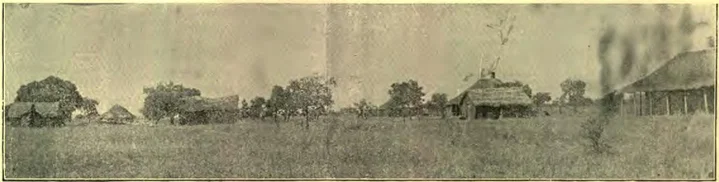
“The next morning after we arrived was Sabbath, and the first day of the new year. It was a lovely morning. All nature seemed to be dressed in holiday attire. The mission presents the appearance of a little village. At present the outlook is encouraging, but the wear and anxiety incident to the experiences through which our workers have just passed are plainly visible in the countenances of those who have stood so faithfully at their post of duty.
“The coming of Brother and Sister Armitage was very timely in every way. Not only did they help lighten the burdens that were resting so heavily on the workers at the farm, but the second day after their arrival, Brother Armitage began the building work. At the time of my visit, with the help of others he had put up three brick dwellings twenty-five by thirty-six feet in size, with verandas surrounding them on all sides. These are not especially for beauty, but for the purpose of protecting the buildings, and for comfort. The bricks used for the houses were sun-dried, and had been prepared before Brother Armitage’s arrival. The houses were roofed with thatch, and the floors were of earth, a very little above the level of the ground outside.
“I would that I could take every Sabbath keeper to the place, that all might see for themselves the needs of the situation. Sister Anderson related a very touching incident. One day while she was writing at the table, one of the little boys they have taken into their family left his playmates, came to the table, and asked to whom she was writing. She replied, ‘To our friends in America.’ He inquired if it was to the people who had sent the missionaries over there. She told him it was. Then the little fellow, who was only about four years old, and not very large, spoke up and said, ‘I wish you would say to them for me that they must send more missionaries over here to teach the people about God. My mother knows nothing about the true God, and I want them to send a missionary to teach her about God and the right way to live.’ Some time after this, the same boy received the information that his mother was dead. This brought him great sorrow. Day after day he would come to Sister Anderson and talk about his mother, who died without learning about the true God, and so must be lost. This was the cause of his anxiety,—not the bare fact that his mother was dead, but that she died without knowing God, and so would not have a part in the first resurrection. Sister Anderson tried to comfort his sorrowing heart the best she could by telling him that God knew all about it, and we could trust the matter entirely with him. After a time the boy felt reconciled.
“I mention this incident to show how quickly even these children grasp the truths of the gospel. There are about thirty children connected with the mission at the present time, and all these are eager to become missionaries to their own people. Indeed, they are so already; for on several occasions I noticed them communicating to the older natives the things that they were learning.
“I remained eight days at the mission, including two Sabbaths. During this time four meetings were held with the natives, and a portion of each day was spent with the workers, seeking the Lord, studying his word, and counseling over his work. We enjoyed much of the Lord’s blessing in these gatherings.”
The early days of 1898, which had dawned so auspiciously, were soon to be darkened by a sorrow heretofore unknown in the history of our mission. Death invaded the ranks, and one by one our workers were laid away, until six graves marked the resting-places of those of whom Jesus instructed John to write, “Blessed are the dead which die in the Lord from henceforth: Yea, saith the Spirit, that they may rest from their labors; and their works do follow them.”
Dr. Carmichael first succumbed to the fever on February 28. On March 7 Brother Tripp and Brother Sparrows’s little daughter were laid to rest. Less than a month later, George Tripp, the only child of Brother Tripp, died, and on April 27 the native teacher. Mrs. Armitage was taken ill, and died on May 1 in Kimberly, while on her way to the Cape, whither her husband was taking her in the hope of saving her life. Only the coming of the Master to gather his jewels from every corner of the earth, even from dark Matabeleland, will reveal how abundantly the seed sown by these faithful hands, even in death itself, has resulted in a glorious harvest of souls from the Dark Continent.
ESTELLA HOUSER.