Abraham Lincoln was an earnest advocate of temperance. Total abstinence from both liquor and tobacco was part of his religion.
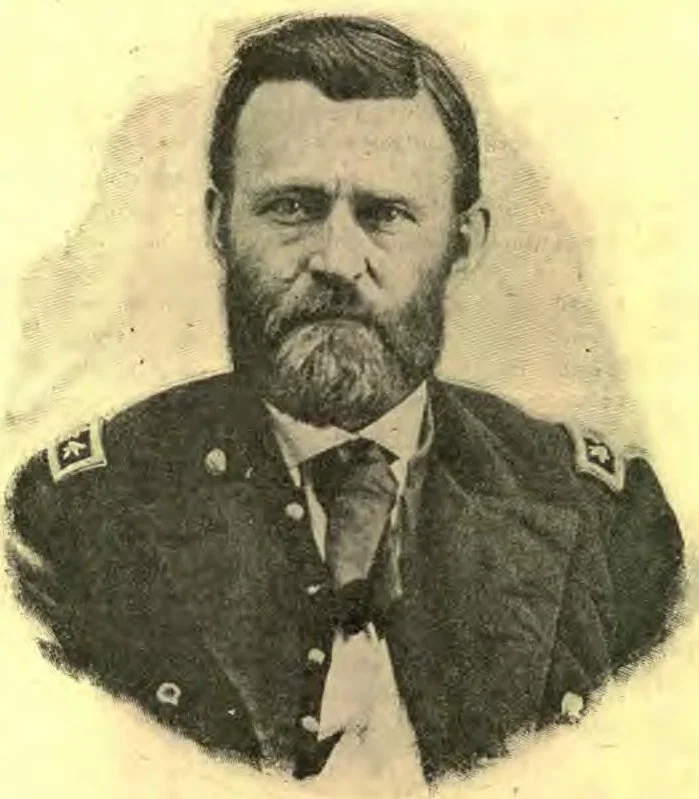
Grant, it is said, never defended their use, and promised his friend, the great-hearted president, that when the war was over, he would give up tobacco. This he never did, and the hero of many battles died at last a victim of nicotin.
Lincoln’s idea of temperance did not mean indulging even moderately in what is dangerous. He often defined temperance as “the moderate use of that which is good, and total abstinence from that which is evil.” He was very simple in all his habits of life, and set a good example in using the good things of life and not abusing them.
Temperance people who are strongly opposed to the use of liquor or tobacco need to be on their guard against other kinds of intemperance, as in eating, and especially in the use of stimulants like tea and coffee.
The boy who voluntarily gives up coffee, or anything else, because he does not wish to become a slave to the habit, shows his strong character by the act. This makes such a boy akin to Abraham Lincoln, and other heroes of the world, who were masters of their own appetites.
Among the many interesting stories that are told of Lincoln is one of his boyhood of great significance. This story ought to be told over and over, so that every boy in America would hear it, and heed it. Modern life gives the boys of to-day that which Lincoln did not have, but they miss much of the largeness, the breeziness, and the all-roundness of life that the boy Lincoln enjoyed. He lived in close touch with the great, strong, true things of nature, and they must have meant much to this boy of open eyes and open heart and open lungs. He had few books, but the few he had he mastered, and they helped him to think deep thoughts, even as a boy.
The good and noble appealed to him. It is not strange, therefore, that he took his stand for temperance when the question was first presented to him.
When Lincoln was a boy, almost every one drank, and temperance had less advocates than at present. Among those who were working for temperance in that early day was “Old Uncle John,” as he was called, who gathered the people together for meetings in the rough log schoolhouses of the sparsely settled communities in that section of the country. People came out of curiosity, but he often found little sympathy for his cause.
One long-to-be-remembered night he made his plea, ending with an invitation to come forward and sign the pledge. There was only one who moved, as the story goes. A tall and far from handsome boy got to his feet and came up the aisle. Even in that rough audience he made an ungainly appearance in his sadly outgrown clothes, coarse and too short. But a hush fell on the rough men as that boy, with determination in his face, stooped to write the name “Abraham Lincoln” on the pledge.
The work of that night lives in history. Lincoln always attributed much of his success in life to his temperance principles, and years afterward, when as president of the United States he had the pleasure of entertaining “Old Uncle John” in the White House, he said to him, “I owe more to you than to almost any one of whom I can think. If I had not signed the pledge with you in the days of my youthful temptation, I should probably have gone the way of a majority of my early companions who lived drunkard’s lives, and now are filling drunkard’s graves.”
Whatever the circumstances, there was never any letting down in Lincoln’s principles. When a candidate for president, his attitude was early shown by his cold-water reception of the committee appointed to notify him of his nomination. It was believed necessary to serve wine to the committee, and friends brought in wine and wineglasses. Lincoln thanked them for their intended kindness, but ordered it away at once, and called for a pitcher of water and glasses, saying, “We will drink to the fortunes of our party in the best beverage ever brewed for man.”
Those who wish truly to honor the memory of Lincoln will honor his memory by serving water only at Lincoln’s birthday banquets. In our nation, which is becoming sodden with drink, and nerveless through tobacco poison, no twelfth of February should be allowed to pass without a cold-water banquet to help emphasize the total abstinence principles of one whom all the world loves and honors.—Selected.