And this element of the changeable was also to teach us that the energy of light, the life of the vine, and the virtue of bread, are due to the power of God. For the salvation which came through the sanctuary service was only by means of, and because of, the true sacrifice, which, though not yet offered, even then redeemed them. And whatever weakness there was then in that service was not because of an insufficiency of the power, but instead, was due to the weakness and unprofitableness of the instrument. The sanctuary service, though ministering the saving power of God, nevertheless depended entirely in the instruction imparted by figures and types, and in the insufficient service of erring, mortal man. Heb. 7:18.
Therefore, we are prepared to understand that the service of nature never can make the comers unto it perfect. And this, too, the sanctuary service could not do. Heb. 10:1-3.
Bread as bread nourishes the body; but it can not preserve from death those who partake of it. “Your fathers did eat manna in the wilderness,” says Jesus, “and are dead.” This (the true Bread, John 6:52) is the bread which came down from heaven, that a man may eat thereof and not die. And that, thank God, is bread to a purpose. All else is bread in only a very inferior and subordinate sense.
And so far as this is concerned, the energy of the bread is but the energy of sunlight which was stored there when the wheat was in process of growing. The delegated power of the bread is but the delegated power of sunlight. And so the sun is called the source of life, but its life is not eternal. God makes it the bearer of life, and the life is from God, but its service is temporary. God is the true light and the true bread. The sunlight and the wheat bring temporal life from God to man; but Christ, the true light and the true bread, brings eternal life from heaven to the sons of men.
So nature, like the earthly sanctuary, being but a shadow of good things to come, and not the very things themselves, can not, as has been said, make the comers thereunto perfect. Heb. 10:1. But we may all thank God that there is a service in heaven that can make the comers to it perfect. There is a bread of which a man may eat and live forever. And there is One who promises to be our everlasting light and our eternal glory.
In the earthly sanctuary all its life and efficiency lay in the antitype to which it pointed. It had no vigor or life of its own; it was but a shadow of the vital things in heaven. “For it is not possible that the blood of bulls and of goats should take away sins.” Heb. 10:4. These were sacrifices which could never take away sins. It was not the blood of bulls and goats, but the blood of Jesus; it was not the ministry of the Levite, but the ministry of Christ, that atoned for sin.
And the power of the bread to sustain life is not the power of the bread in itself; it is not even the power of sunlight stored by the wheat plant in the bread: no, it is neither of these, but rather, it is the power of the Word, manifested in and through the bread and the sunlight, to the sustaining of our bodies.
If Jesus Christ, the Living Word, should withdraw his energy from the food products of this world, they would be as valueless for our sustenance as so much sand or pulverized rock. It is the power of the ever-living Word that makes the earth bring forth the herb yielding seed, and the fruit-tree yielding fruit; and the power of these to sustain life is the power of the Word.
If Jesus Christ should withdraw his sustaining, upholding power (Heb. 1:3) from the sun, it would stumble in its path, and go out in darkness. And then, speedily, in less than a month, all the heat necessary for life would be dissipated from this earth, and we would all lie down in an everlasting sleep.
Therefore, with what significance do the words of Jesus, “I am the light of the world,” flash to our minds! God maketh his sun to rise on the evil and on the good. Not of its own inherent power does it do this—no, no! he maketh his sun to rise. And O, how miserably did the heathen miss the truth of these things when they traced the light and power no farther than to yon shining orb, and then fell down with their faces to the east, and worshiped it! And when we look at its great round face as it rises above the earth, do we at once remember of whose power and light and energy it is but the bearer and emblem? Certainly we should view it thus.
But the Jews came to look upon the sanctuary service as the final and complete atonement. They considered it to be of itself self-sufficient. They forgot that it spoke the power that belonged to a higher and greater work. “For it is not possible that the blood of bulls and goats should take away sins.” Heb. 10:4. And yet the Jews thought of no other service, would not consider any other. The earthly service veiled their eyes to the great work and power of God, of which it was but the type. And “even unto this day, when Moses is read, the veil is upon their heart.”
And to-day men are making the same mistake with reference to nature. It is supposed by many that nature is self-sufficient for her work. By inherent power, by self-constituted energy, she does her work. They see no farther than the appearance of the eyes, and thus nature, instead of teaching God, veils him from the sight. As the service of the sanctuary, considered as the Jews considered it, hides God instead of revealing him; so nature veils him from the mind of man. The mistake men are now making in their views of nature is but the mistake that the Jews made with reference to the earthly sanctuary. For there is no new thing under the sun. They stumble at the same stumbling-stone, Christ Jesus.
For this “veil is done away in Christ.” 2 Cor. 3:14. Christ lifts the veil of the earthly sanctuary, and shows us its real import and efficiency. Sins in that age could not be taken away by the blood of bulls and goats, but the transgressions that were under the first covenant are taken away by the death of Christ. Heb. 9:15. He is the virtue of that service; remove him and there is nothing left but a dead round of ceremony—worthless routine.
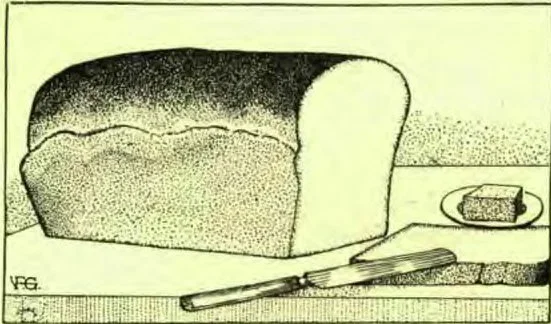
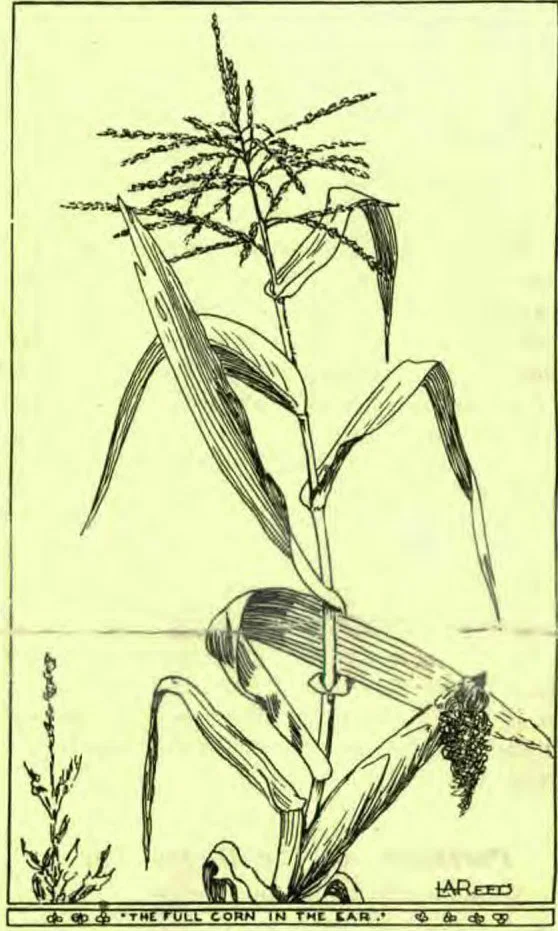
And in the miracles of Christ he lifts the veil also from nature. “In feeding the five thousand, Jesus lifts the veil from the world of nature, and reveals the power that is constantly exercised for our good. In the production of earth’s harvests, God is working a miracle every day. Through natural agencies the same work is accomplished that was wrought in the feeding of the multitude. Men prepare the soil and sow the seed, but it is the life from God that causes the seed to germinate. It is God’s rain and air and sunshine that cause it to put forth, ‘first the blade, then the ear, after that the full corn in the ear.’ It is God who is every day feeding millions from earth’s harvest fields. Men are called upon to co-operate with God in the care of the grain and the preparation of the loaf, and because of this they lose sight of the divine agency. They do not give God the glory due unto his holy name. The working of his power is ascribed to natural causes, or to human instrumentality. Man is glorified in place of God, and his gracious gifts are perverted to selfish uses, and made a curse instead of a blessing. God is seeking to change all this. He desires that our dull senses shall be quickened to discern his merciful kindness, and to glorify him for the working of his power. He desires us to recognize him in his gifts, that they may be, as he intended, a blessing to us. It is to accomplish this purpose that the miracles of Christ were performed.”—Desire of Ages, page 367.
And since they are performed to teach this very truth, it is time we were considering it. Thus nature will teach us of God. And there is no knowledge higher than this. For to know him and Jesus Christ his Son, is life eternal. Shall nature veil him from our sight? or shall it voice his praise to us, his everlasting power, and lead us up to him? L. A. REED.