Suffering Paris
By Editor
One can but read with great sadness of the awful calamity which has fallen upon Paris—Paris the Proud, Paris the Beautiful, Paris the Pleasure-seeking, Paris the Pleasure-loving, "Gay Paree."
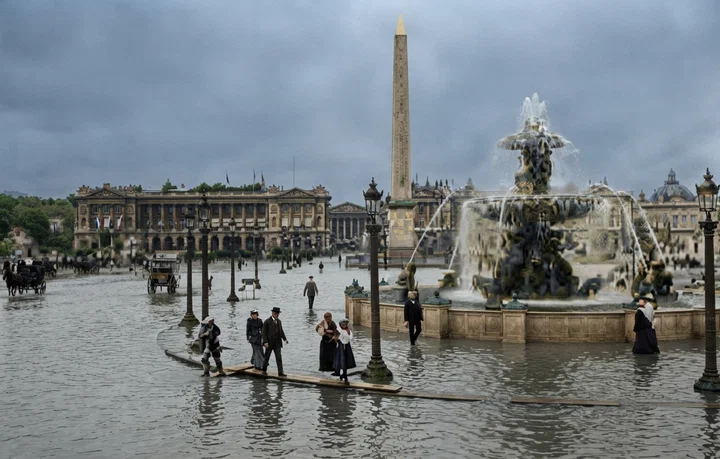
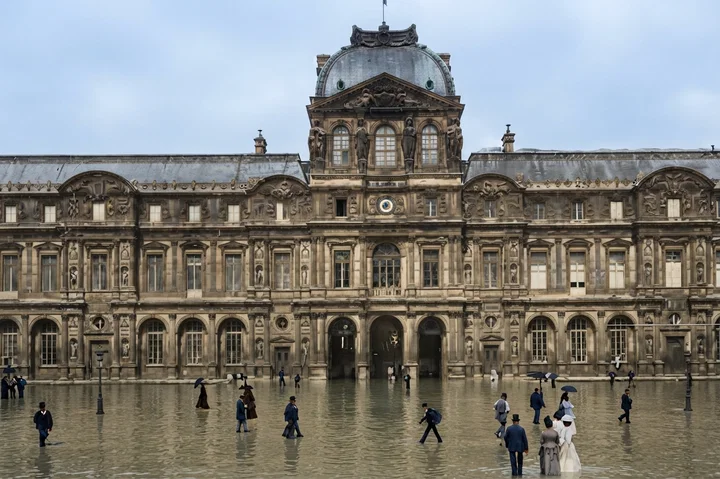
To-day she is mourning. Her beauty is marred. Some of her great and notable structures are in ruin or menaced by increasing peril. The Eiffel Tower is surrounded with water, every day softening its foundations. The Hotel des Invalides and the Tomb of Napoleon are partly submerged. So with the Chamber of Deputies, the Louvre, Tuileries, and other noted buildings. Twelve of the twenty-five bridges are swept away. Whole streets have caved in. Sewers are choked.
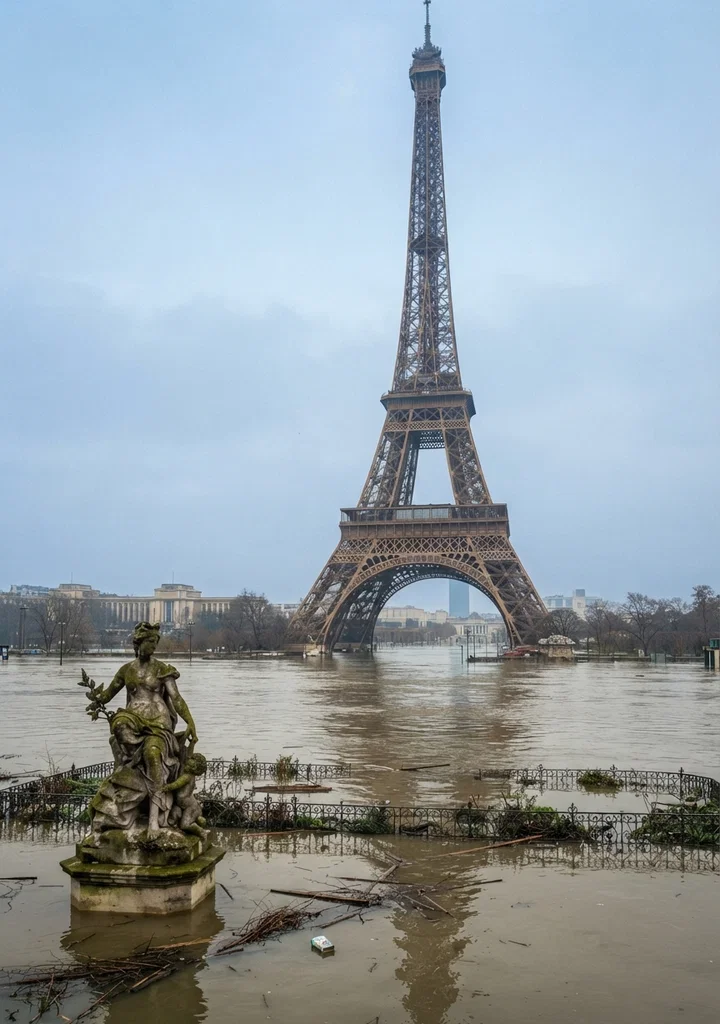
The cause?—The Seine River, with its world-famed bridges, runs through the very midst of the noted city. For days and weeks the clouds have been pouring their floods upon France, and the historic river has become a mad, raging, roaring torrent, sweeping over its banks, inundating large portions of the city, racing through the great catacombs and sewers of underground Paris, washing out new channels, and undermining streets and noted buildings. One half of the city is in darkness; 200,000 souls are homeless; thousands are facing starvation; over $500,000,000 of damage has been wrought by the flood; and disease and pestilence are bound to follow.
What awful calamities have befallen the cities of the world in the last generation, most of them in the last few years! Think of them! Of fires, recall Chicago, Boston, Baltimore, San Francisco, Osaka. Of storm, flood, and cyclone, recall Galveston, towns in the Southern States, Monterey (Mexico), cities in China, and India; of plague and pestilence, some of the great cities in the Orient; of earthquake, Charleston, San Francisco, Valparaiso, Kingston, cities in Mexico, Messina and others in Italy, cities in Japan, and towns in many places. Martinique was buried and burned by the hot breath of a volcano. And now Paris. It is awful!
Are all these accidental? We do not believe it. The great God who notes the fall of the sparrow, could have stayed the calamity or turned it aside. He is "not willing that any should perish, but that all should come to repentance." He notes also the sinfulness, the wickedness, the wholesale corruption, the awful vice, the glossing of sin, the insidious devilishness of it all. Paris has been among the greatest of sinners. She has given to the world fashion and art and beauty and science, but she has corrupted morals everywhere. Blatant, God-defying infidelity on the one hand, and traditionalism on the other, have gone to seed, stultifying consciences and hardening hearts. Paris has never given to the world one thing which has lifted that world nearer God. A few stars have shone out of her night, but they have emphasized the darkness. In her, every transgression of the law of God and of man has been fostered, sin made respectable, vice apotheosized.
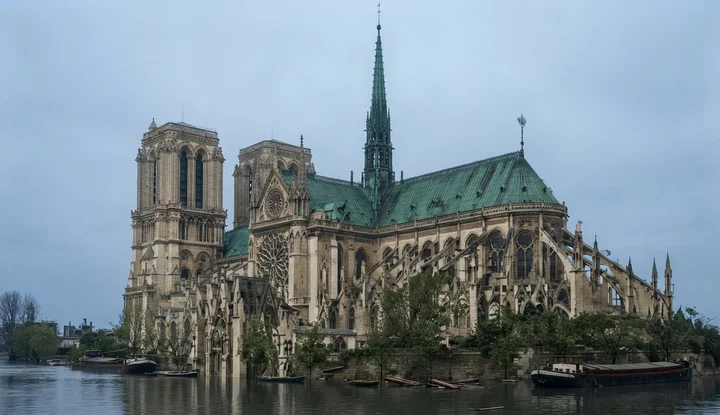
The flooded Seine can not wash out her sins; but O, it ought to tell to her the need of a greater fountain in which she could wash and be clean.
"When Thy judgments are in the earth, the inhabitants of the world learn righteousness." They ought so to do. God speaks in judgment only when men will not hear His voice of pleading.
But this does not mean that we should not help the poor troubled, afflicted people. We pity, beyond words to express, the sufferers of Paris. We believe it is a time to help in every way possible that humans can help. Let all who can, give for her needs. Let all Christians pray.