2 Chronicles 16:8
Were not the Ethiopians and the Lubims a huge host, with very many chariots and horsemen? yet, because thou didst rely on the LORD, he delivered them into thine hand.
Translations
Were not the Ethiopians and the Lubims a huge host, with very many chariots and horsemen? yet, because you did rely on the LORD, he delivered them into your hand.
Were not the Ethiopians and the Lubims a huge host, with very many chariots and horsemen? yet, because thou didst rely on the LORD, he delivered them into thine hand.
Were not the Ethiopians and the Lubims a huge host, with very many chariots and horsemen? yet, because thou didst rely on the Lord, he delivered them into thine hand.
Were not the Cushites and the Lubims a numerous army, with very many chariots and horsemen? yet, because thou didst rely on the LORD, he delivered them into thy hand.
Were not the Ethiopians and the Lubim a huge host, with chariots and horsemen exceeding many? yet, because thou didst rely on the LORD, he delivered them into thine hand.
Were not the Ethiopians and the Lubim a huge host, with chariots and horsemen exceeding many? yet, because thou didst rely on Jehovah, he delivered them into thy hand.
Did not the Cushim and the Lubim become a very great force for multitude, for chariot, and for horsemen? and in thy leaning on Jehovah He gave them into thy hand,
Were not the Ethiopians and the Libyans a huge army, with very many chariots and horsemen? but when thou didst rely on Jehovah, he delivered them into thy hand.
Were not, the Ethiopians and the Lybians, a huge host, with chariots and horsemen exceeding many? yet, because thou didst lean upon Yahweh, he delivered them into thy hand.
Berean Standard Bible, Majority Standard Bible
Were not the Cushites and Libyans a vast army with many chariots and horsemen? Yet because you relied on the LORD, He delivered them into your hand.
Weren’t the Ethiopians and the Lubim a huge army, with chariots and exceedingly many horsemen? Yet, because you relied on the LORD, he delivered them into your hand.
Were not the Ethiopians and the Lubim a very great army, with war-carriages and horsemen more than might be numbered? but because your faith was in the Lord, he gave them up into your hands.
The Ethiopians and the Lubims, were they not a great hoste with charets and horsemen, exceeding many? yet because thou diddest rest vpon the Lord, he deliuered them into thine had.
Douay-Rheims (Challoner revision)
Were not the Ethiopians, and the Libyans much more numerous in chariots, and horsemen, and an exceeding great multitude: yet because thou trustedst in the Lord, he delivered them into thy hand?
Pictures
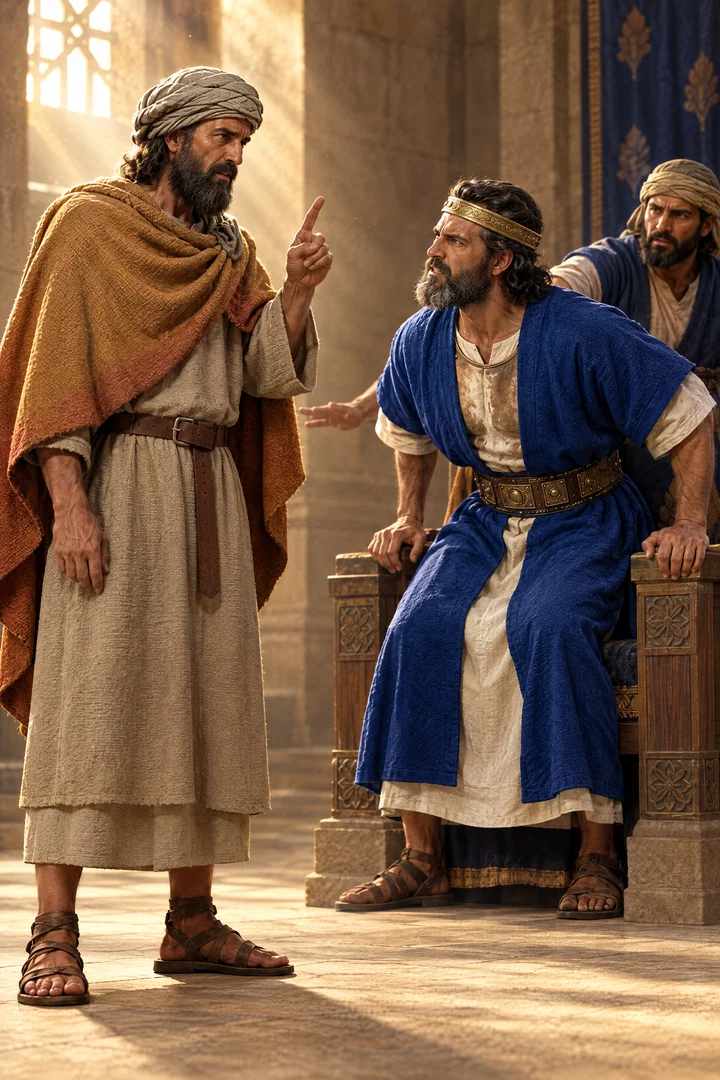
Cross-references
- 2 Chronicles 14:11
And Asa cried unto the LORD his God, and said, LORD, it is nothing with thee to help, whether with many, or with them that have no power: help us, O LORD our God; for we rest on thee, and in thy name we go against this multitude. O LORD, thou art our God; let not man prevail against thee.
Asa trusts in God and cries for help against the Ethiopian multitude.
- 2 Chronicles 16:12
And Asa in the thirty and ninth year of his reign was diseased in his feet, until his disease was exceeding great: yet in his disease he sought not to the LORD, but to the physicians.
Asa’s later illness follows his departure from reliance on God.
- 2 Chronicles 14:12
So the LORD smote the Ethiopians before Asa, and before Judah; and the Ethiopians fled.
The Lord smote the Ethiopians for Asa.
Commentary
Each commentary is drawn from primary sources: the writings of Ellen G. White and Adventist pioneers and periodicals. Each commentary is separate. Its own words are not a quotation; follow the references to read the source passages.
Ellen G. White
2 sources
The invaders who confronted King Asa were the Ethiopians and the Lubims, that is the Libyans, forming a huge host furnished with very many chariots and horsemen.PK 113.1–2RH Jul 31, 1913 Because Asa relied on the Lord, God delivered that vast force into his hand.PK 113.1–2RH Jul 31, 1913 That victory establishes that God gives help to those who trust in Him.PK 113.1–2RH Jul 31, 1913
The trust that brings such deliverance is wholehearted, and rescue turns on that trust rather than on how large the enemy army is.RH Jul 31, 1913 Asa's later reliance on Syria instead of God was a failure to learn the lesson of this earlier deliverance.PK 113.1–2
Sources
Pioneers and periodicals
14 sources
The verse recalls a vast invading force of Ethiopians and Lubims with chariots and horsemen that was delivered into Asa's hand because he relied on the LORD.RH May 20, 1862ST Apr 30, 1912ST Jun 27, 1911 It was spoken as a rebuke to Asa late in his reign, when after long doing right he foolishly trusted the king of Syria instead of the God who had helped him before.RH May 20, 1862ST Sep 22, 1898RH Sep 2, 1862 The deliverance shows that wholehearted trust in God, not the size of one's own or the enemy's army, decides the outcome.RH Jul 31, 1913RH Sep 2, 1862 That help is claimed by dependence on God rather than on human allies, through obedience and uprightness with a heart fully devoted to Him.RH Sep 2, 1862ST Apr 30, 1912 Confidence in God for sustaining grace in affliction brings victory and shortens the struggle of faith, while failure to rely on Him makes the conflict longer and harder than it need be.RH May 24, 1870ST Mar 16, 1882
Historical Setting and Rebuke
The verse looks back to a time when the Ethiopians and Lubims came as a huge host with very many chariots and horsemen, yet were delivered into Asa's hand because he relied on the LORD.RH May 20, 1862ST Apr 30, 1912ST Jun 27, 1911RH May 24, 1870ST Mar 16, 1882 That reliance brought victory over a far larger force despite its numbers and equipment, showing that trust in the Lord brings deliverance.RH May 24, 1870ST Mar 16, 1882ST Sep 22, 1898 The verse belongs to the record of Asa's reign in Judah, counted among the events of the kings from Rehoboam to Joash.ST May 26, 1909 That reign is described as great and good but ending in foolishness.ST Jun 10, 1908ST May 26, 1909
Asa came to the throne at about twenty years old, surrounded by a bad father, grandfather and grandmother and heathen influences on every side, yet did what was good by trusting in God.ST Feb 14, 1906 His trust first appeared in reform that restored the worship of the true God, destroyed strange gods, images and groves, removed the wicked queen-mother despite her dignity and influence, and commanded Judah to serve God and put away every influence leading from right.ST Feb 14, 1906 After ten years of rest in which faithfulness in peace tested him, the invading army of Zerah the Ethiopian came, and Asa cried to the Lord that none beside Him could help.ST Feb 14, 1906 The Lord smote the Ethiopians before him, and his prayer of faith brought assurance of victory, in contrast to the latter part of his forty-one year reign, which was marred by lack of trust though his reforms were far-reaching.ST Feb 14, 1906
The reminder of that earlier deliverance was spoken to rebuke Asa because, after long doing right, toward the last of his reign he relied on the king of Syria instead of the LORD.RH May 20, 1862ST Sep 22, 1898RH Sep 2, 1862 He had already faced a vast Ethiopian and Libyan force and seen the Lord deliver them into his hand because he relied on Him, showing God could save Judah whether its army was large or small.RH May 20, 1862RH Sep 2, 1862 His later reliance on Syria was therefore a foolish departure from help he had already experienced.RH May 20, 1862ST Sep 22, 1898RH Sep 2, 1862
After the prophet reproved his faults Asa became angry and raged, shut him in prison and oppressed the people.RH May 20, 1862ST Jun 10, 1908ST Nov 10, 1898 When afflicted with severe and painful disease he sought help from physicians rather than from Jehovah.RH May 20, 1862ST Jun 10, 1908ST Nov 10, 1898 That course led to apostasy, further wars, and untimely death.RH May 20, 1862ST Nov 10, 1898RH Sep 2, 1862
Trusting God for Deliverance
The earlier deliverance came when a vast Ethiopian and Libyan host with very many chariots and horsemen was put into Asa's hand because he relied on the Lord.RH Jul 31, 1913RH Sep 2, 1862 Wholehearted trust in God, not the size of the opposing army, is what brings deliverance.RH Jul 31, 1913 The outcome proved that God could save Judah whether its own army was large or small.RH Sep 2, 1862 That experienced help made the later turn to Syria instead of God a failure to trust what had already been proved.RH Sep 2, 1862
Claiming the Lord's help depends on obedience and uprightness and a heart fully devoted to him.RH Sep 2, 1862 Without these a people cannot count on his special favor or protection.RH Sep 2, 1862 Failure to heed the prophetic warning brings further wars.RH Sep 2, 1862 Dependence on God rather than on human allies is therefore essential.ST Apr 30, 1912 Victory had come through reliance on the Lord, not through an alliance.ST Apr 30, 1912
The same reliance brings deliverance and victory in affliction.RH May 24, 1870ST Mar 16, 1882 Confidence in God for sustaining grace helps the struggle of faith reach its victory sooner.ST Mar 16, 1882 Trusting the Lord in trial brings victory, while failure to rely on him makes the conflict of faith longer, more painful, and more difficult than it need be.RH May 24, 1870ST Mar 16, 1882
Sources