Genesis 36:7
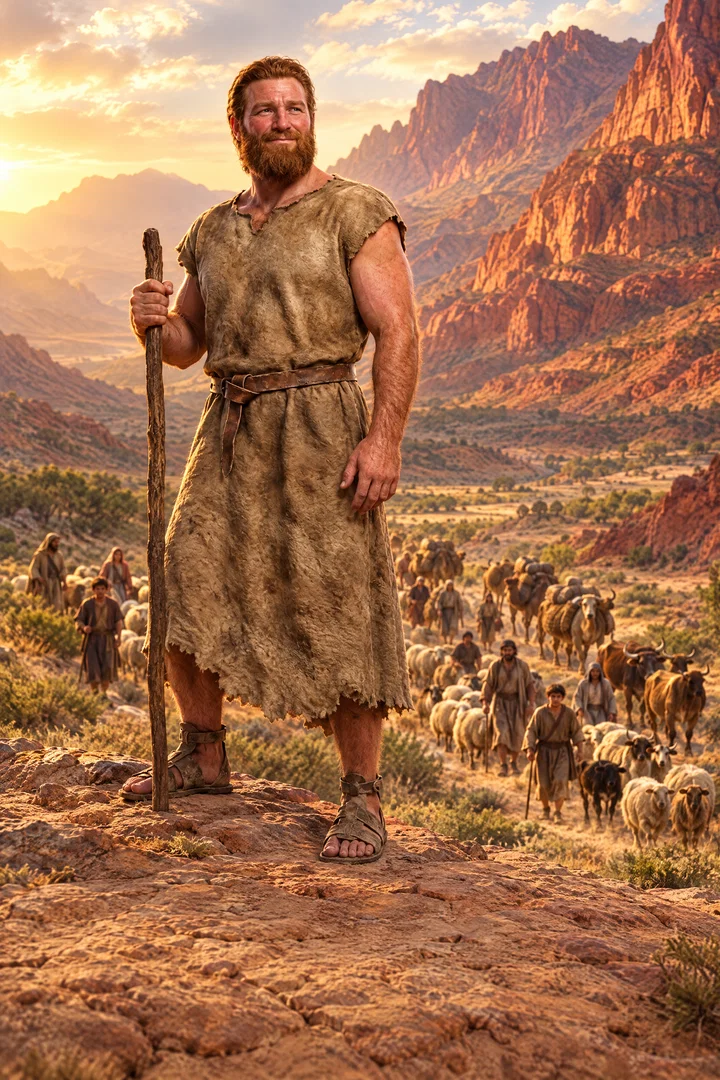
For their riches were more than that they might dwell together; and the land wherein they were strangers could not bear them because of their cattle.
Translations
American King James Version, King James Version, KJV Cambridge Paragraph Bible
For their riches were more than that they might dwell together; and the land wherein they were strangers could not bear them because of their cattle.
For their riches were more than that they might dwell together: and the land wherein they were strangers could not sustain them, because of their cattle.
Revised Version, American Standard Version
For their substance was too great for them to dwell together; and the land of their sojournings could not bear them because of their cattle.
for their substance was more abundant than to dwell together, and the land of their sojournings was not able to bear them because of their cattle;
For their property was too great for them to dwell together, and the land where they were sojourners could not bear them, because of their cattle.
For their substance had become too great for them to dwell together,—neither could the land of their sojournings sustain them, because of their herds,
Berean Standard Bible, Majority Standard Bible
For their possessions were too great for them to dwell together; the land where they stayed could not support them because of their livestock.
For their substance was too great for them to dwell together, and the land of their travels couldn’t bear them because of their livestock.
For their wealth was so great that the land was not wide enough for the two of them and all their cattle.
For their riches were so great, that they could not dwell together, and the lande, wherein they were strangers, coulde not receiue them because of their flockes.
Douay-Rheims (Challoner revision)
For they were exceeding rich, and could not dwell together: neither was the land in which they sojourned able to bear them, for the multitude of their flocks.
Pictures
Commentary
Each commentary is drawn from primary sources: the writings of Ellen G. White and Adventist pioneers and periodicals. Each commentary is separate. Its own words are not a quotation; follow the references to read the source passages.
Ellen G. White
1 source
Jacob and Esau were unable to remain living together because the increase of their possessions, especially in livestock, had become greater than the country where they were dwelling as outsiders could sustain.PP 207.2 The final parting did not come from continuing bitterness, for the jealousy and hatred that had once estranged them had passed when they met together at their father's deathbed.PP 207.2 After that reconciliation Esau withdrew and settled in Mount Seir.PP 207.2 Jacob had been satisfied with the spiritual blessings belonging to the birthright and had willingly yielded their father's material wealth to Esau, since that temporal inheritance was the only one Esau desired or prized.PP 207.2 Yet God, who is abundant in blessing, bestowed upon Jacob earthly prosperity as well, in addition to the higher spiritual good he had chosen.PP 207.2 Their dwelling apart was in harmony with God's design for Jacob, because the two brothers were widely different in religious faith and it was best that they live separately.PP 207.2
Sources
Pioneers and periodicals
4 sources
This verse stands within the record given wholly to Esau and to the nations that came from him.ST Mar 26, 1894 It comes just after the death of Isaac at one hundred eighty years of age, at what was likely the last meeting of Esau and Jacob.ST Mar 26, 1894 At that time Jacob was about one hundred nine years old, Joseph was seventeen, and Benjamin was a small child two to four years old.ST Mar 26, 1894
The meaning is that the households of Esau and Jacob parted because their riches had grown too great for them to dwell together.ST Mar 17, 1914ST Jan 27, 1914 Their possessions and livestock had become so abundant that the land in which they were living as strangers could not bear them both.STST Jan 27, 1914 The pressure came especially from their cattle, which were too numerous for the land where they were staying to support.ST
Sources