Jeremiah 8:21
For the hurt of the daughter of my people am I hurt; I am black; astonishment hath taken hold on me.
Translations
For the hurt of the daughter of my people am I hurt; I am black; astonishment has taken hold on me.
King James Version, KJV Cambridge Paragraph Bible, Webster Bible
For the hurt of the daughter of my people am I hurt; I am black; astonishment hath taken hold on me.
For the hurt of the daughter of my people am I hurt: I am black; astonishment hath taken hold on me.
For the hurt of the daughter of my people am I hurt: I mourn; dismay hath taken hold on me.
For a breach of the daughter of my people have I been broken, I have been black, astonishment hath seized me.
— For the breach of the daughter of my people am I crushed; I go mourning; astonishment hath taken hold of me.
For the grievous injury of the daughter of my people, I am grievously injured,—I am enshrouded in gloom, Horror, hath seized me:—
Berean Standard Bible, Majority Standard Bible
For the brokenness of the daughter of my people I am crushed.
I mourn; horror has gripped me.For the hurt of the daughter of my people, I am hurt.
I mourn.
Dismay has taken hold of me.For the destruction of the daughter of my people I am broken: I am dressed in the clothing of grief; fear has taken me in its grip.
I am sore vexed for the hurt of ye daughter of my people: I am heauie, and astonishment hath taken me.
Douay-Rheims (Challoner revision)
For the affliction of the daughter of my people I am afflicted, and made sorrowful, astonishment hath taken hold on me.
Pictures
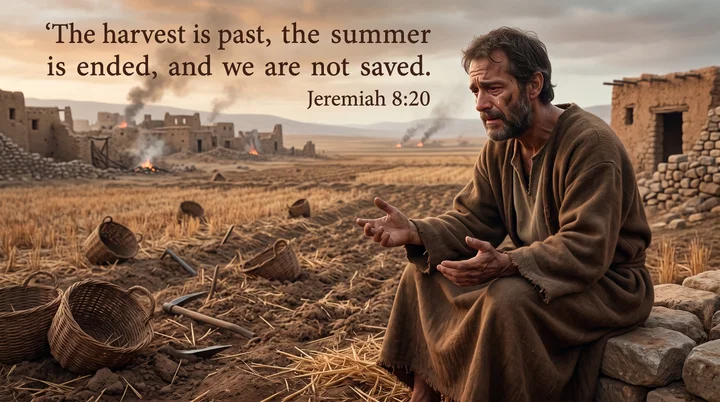
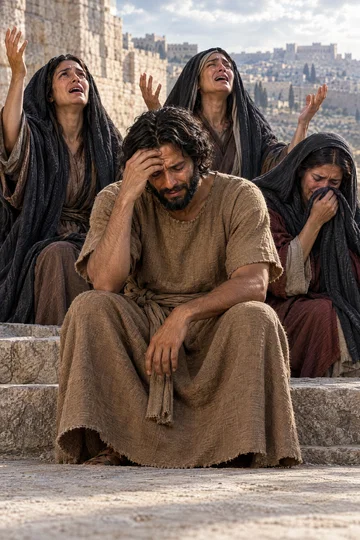

Cross-references
- Jeremiah 8:11
For they have healed the hurt of the daughter of my people slightly, saying, Peace, peace; when there is no peace.
False assurances of peace heal the people’s hurt only slightly.
Commentary
Each commentary is drawn from primary sources: the writings of Ellen G. White and Adventist pioneers and periodicals. Each commentary is separate. Its own words are not a quotation; follow the references to read the source passages.
Ellen G. White
1 source
For the hurt of the daughter of His people, God Himself is hurt, is made dark, and is seized with astonishment.Ms 60, 1900, par. 3–6 This is divine grief over a people brought to ruin by disobedience.Ms 60, 1900, par. 3–6 That grief is now being fulfilled to the letter in the religious world.Ms 60, 1900, par. 3–6 It lays bare professed teachers of the people who lead them astray, who refuse obedience to the word of the Lord while still claiming that the law of the Lord is with them.Ms 60, 1900, par. 3–6
Its special application is to setting aside the original Sabbath of Jehovah, the memorial day He blessed and sanctified, in order to honor a spurious heathen idol sabbath exalted by human theories and enforced by threats against all who violate Sunday.Ms 60, 1900, par. 3–6 The hurt includes healing the wound only slightly while crying peace where there is no peace, together with covetousness, false dealing, unashamed abomination, and sin against the Lord.Ms 60, 1900, par. 3–6 Those guilty shall fall among the fallen and be cast down in the time of visitation, left with no grapes or figs and silenced with bitter water.Ms 60, 1900, par. 3–6 Instead of peace and health they are given trouble, devoured as by horses from Dan and bitten by serpents that cannot be charmed, until the cry arises that harvest and summer are past without salvation.Ms 60, 1900, par. 3–6
Sources
Pioneers and periodicals
4 sources
The verse expresses the prophet's deep grief, shock, and astonishment over the hurt and suffering of his people.ST Jul 22, 1913ST Jul 11, 1911ST Oct 20, 1909 His sorrow is caused by their sin and transgression and by their desperate spiritual condition.ST Jul 22, 1913ST Oct 20, 1909 Their refusal to respond to God's messages leaves him almost discouraged.ST Jul 22, 1913
The verse shows him making his countrymen's affliction his own, taking their sorrows upon himself in sympathy and remembering them for good.RH May 21, 1857 It teaches love of neighbor as self expressed in prayer, especially praying for unconverted neighbors as for oneself with the heart engaged for their salvation.RH May 21, 1857
Sources