Job 32:4
Now Elihu had waited till Job had spoken, because they were elder than he.
Translations
American King James Version, King James Version, KJV Cambridge Paragraph Bible
Now Elihu had waited till Job had spoken, because they were elder than he.
Now Elihu had waited till Job had spoken because they were older than he.
Revised Version, American Standard Version
Now Elihu had waited to speak unto Job, because they were elder than he.
And Elihu hath waited earnestly beside Job with words, for they are older than he in days.
But Elihu had waited till Job had finished speaking, because they were older than he.
But, Elihu, had waited for Job with words, because the others were older than he.
Berean Standard Bible, Majority Standard Bible
Now Elihu had waited to speak to Job because the others were older than he.
Now Elihu had waited to speak to Job, because they were older than he.
Now Elihu had kept quiet while Job was talking, because they were older than he;
(Now Elihu had wayted til Iob had spoken: for they were more ancient in yeeres then he)
Douay-Rheims (Challoner revision)
So Eliu waited while Job was speaking, because they were his elders that were speaking.
Pictures
Commentary
Each commentary is drawn from primary sources: the writings of Ellen G. White and Adventist pioneers and periodicals. Each commentary is separate. Its own words are not a quotation; follow the references to read the source passages.
Pioneers and periodicals
4 sources
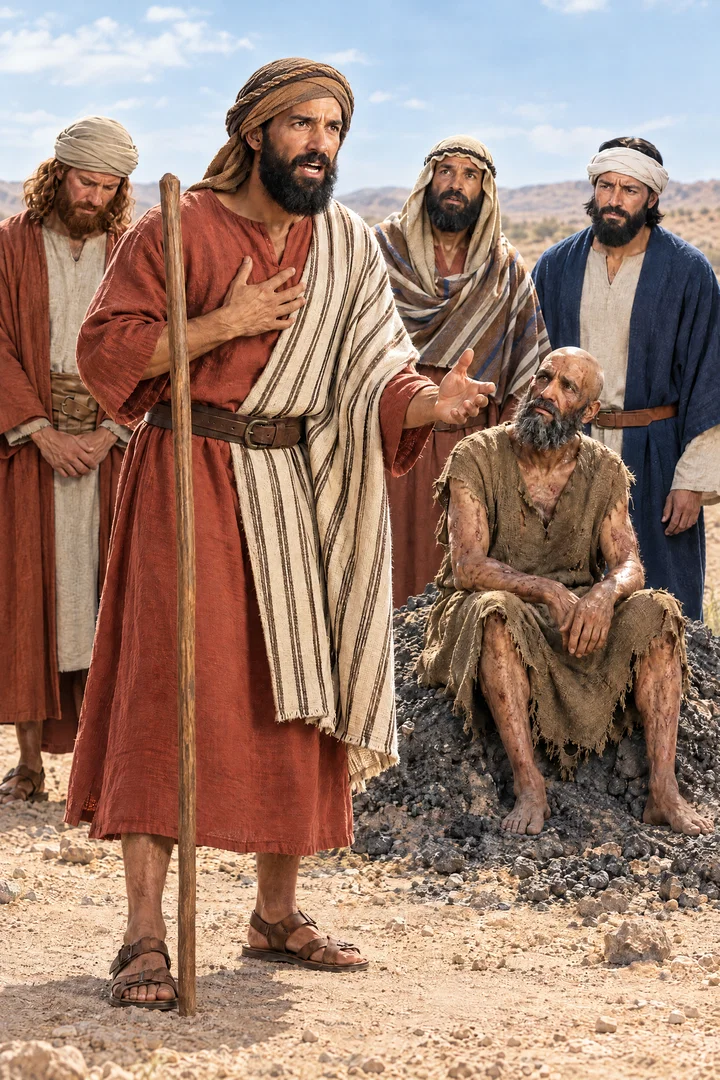
The verse stands in the section containing Elihu's speeches, which runs from chapter 32 through chapter 37.ST Chapter 32 opens Elihu's speech after Job finishes answering Bildad.RH Jan 6, 1916 Elihu had waited to speak until Job and his friends had finished because they were older than he was, and as a younger man he then entered the dispute thinking his wisdom could correct Job.ST Jun 24, 1913 In this passage he argues with Job and reproves him, and when he did speak his discourse was admirable but it did not help Job much, an argument belonging to the book's larger discussion of the causes and purposes of human suffering.ST Mar 27, 1893
Sources