Numbers 32:4
Even the country which the LORD smote before the congregation of Israel, is a land for cattle, and thy servants have cattle:
Translations
Even the country which the LORD smote before the congregation of Israel, is a land for cattle, and your servants have cattle:
King James Version, Webster Bible
Even the country which the LORD smote before the congregation of Israel, is a land for cattle, and thy servants have cattle:
even the country which the Lord smote before the congregation of Israel, is a land for cattle, and thy servants have cattle:
the land which the LORD smote before the congregation of Israel, is a land for cattle, and thy servants have cattle.
the land which Jehovah smote before the congregation of Israel, is a land for cattle; and thy servants have cattle.
the land which Jehovah hath smitten before the company of Israel, is a land for cattle, and thy servants have cattle.'
the country that Jehovah smote before the assembly of Israel, is a land for cattle, and thy servants have cattle;
the land which Yahweh smote before the assembly of Israel, a land for cattle, it is,—and, thy servants, have cattle.
Berean Standard Bible, Majority Standard Bible
which the LORD conquered before the congregation of Israel, are suitable for livestock— and your servants have livestock.”
the land which the LORD struck before the congregation of Israel, is a land for livestock; and your servants have livestock.”
The land which the Lord gave into the hands of the children of Israel, is a land for cattle, and your servants have cattle.
Which countrey the Lord smote before the Congregation of Israel, is a lande meete for cattell, and thy seruants haue cattell:
Douay-Rheims (Challoner revision)
The land, which the Lord hath conquered in the sight of the children of Israel, is a very fertile soil for the feeding of beasts: and we thy servants have very much cattle:
Pictures
Commentary
Each commentary is drawn from primary sources: the writings of Ellen G. White and Adventist pioneers and periodicals. Each commentary is separate. Its own words are not a quotation; follow the references to read the source passages.
Ellen G. White
1 source
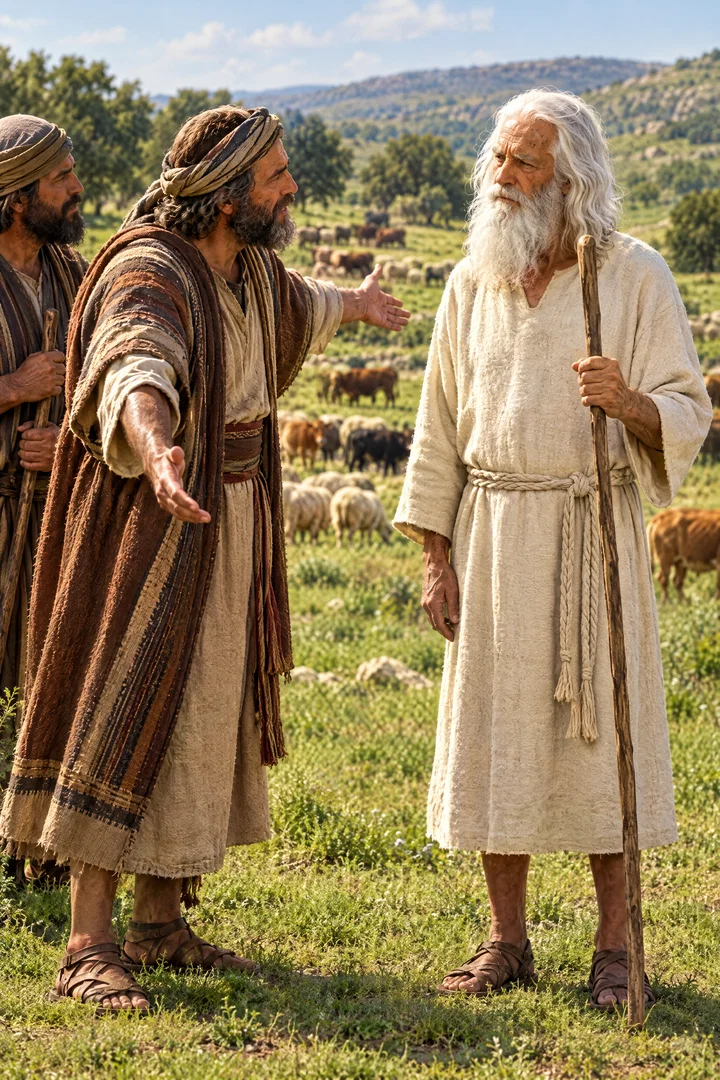
The country spoken of was the territory east of the Jordan which the Lord had subdued before the congregation of Israel.ST May 5, 1881 It is described as a land for cattle because it was well suited to raising livestock.ST May 5, 1881 The statement was made by the tribes of Gad and Reuben, who possessed many cattle and desired to settle in that territory.ST May 5, 1881
Their request aroused concern that they were seeking ease for themselves and avoiding a share in the burdens resting upon their fellow Israelites.ST May 5, 1881 In connection with that request they promised to join their brethren in battle.ST May 5, 1881
Sources
Pioneers and periodicals
6 sources
The verse belongs to the account of the settlement of the two and one-half tribes east of the Jordan, beyond the Jordan.ST The country east of the Jordan which the Lord smote or subdued before the congregation of Israel was a land suited to cattle and to raising livestock.ST May 5, 1881RH Oct 19, 1869RH Jan 14, 1902ST Oct 2, 1879ST Sep 28, 1882 Reuben and Gad, who had many cattle, with the two and a half tribes, proposed to remain and settle on the east side of Jordan rather than cross over, because the conquered country suited their herds.ST May 5, 1881RH Oct 19, 1869RH Jan 14, 1902ST Oct 2, 1879ST Sep 28, 1882
Their preference for that comfortable land over Canaan meant despising the promised land, summed up as this place is good enough for us.RH Jan 14, 1902ST Sep 28, 1882 It meant being satisfied to stay behind where comfortable instead of crossing over with all Israel to possess the promised land.RH Jan 14, 1902 Their request raised Moses' concern that they were seeking ease and would avoid sharing the burdens of their fellow Israelites, even though they promised to join them in battle.ST May 5, 1881
There was fear that they would depart or turn from God and fail to fulfill and keep their solemn vows.RH Oct 19, 1869ST Oct 2, 1879 Moses addressed his solemn admonition to those tribes because he knew that if they did so they would bring upon themselves lasting sorrow and final ruin.RH Oct 19, 1869ST Oct 2, 1879 Applied to the present, the verse warns against refusing to volunteer for new fields while others are willing to go.RH Jan 14, 1902 Such a course discourages the heart of fellow believers and breaks the united forward movement on which success depends, and it may delay Christ's coming for many more years and destroy all the people by leaving them to perish in the wilderness.RH Jan 14, 1902
Sources