Zechariah 12:11
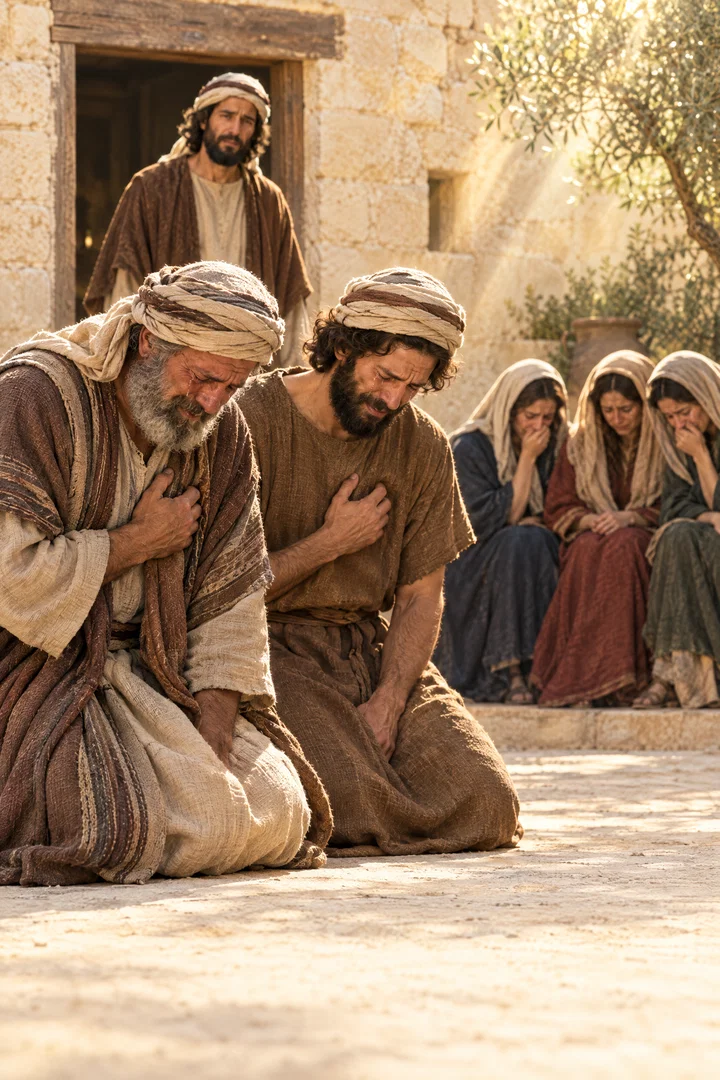
In that day shall there be a great mourning in Jerusalem, as the mourning of Hadadrimmon in the valley of Megiddon.
Translations
American King James Version, King James Version, Webster Bible, Revised Version, American Standard Version
In that day shall there be a great mourning in Jerusalem, as the mourning of Hadadrimmon in the valley of Megiddon.
In that day shall there be a great mourning in Jerusalem,
As the mourning of Hadad-rimmon in the valley of Megiddon.In that day, great is the mourning of Jerusalem, As the mourning of Hadadrimmon in the valley of Megiddon,
In that day shall there be a great mourning in Jerusalem, as the mourning of Hadad-rimmon in the valley of Megiddon.
In that day, will the wailing, be great, in Jerusalem, as the wailing of Hadadrimmon, in the valley of Megiddon;
Berean Standard Bible, Majority Standard Bible
On that day the wailing in Jerusalem will be as great as the wailing of Hadad-rimmon in the plain of Megiddo.
In that day there will be a great mourning in Jerusalem, like the mourning of Hadadrimmon in the valley of Megiddo.
In that day there will be a great weeping in Jerusalem, like the weeping of Hadad-rimmon in the valley of Megiddon.
In that day shall there be a great mourning in Ierusalem, as the mourning of Hadadrimmon in the valley of Megiddon.
Douay-Rheims (Challoner revision)
In that day there shall be a great lamentation in Jerusalem like the lamentation of Adadremmon in the plain of Mageddon.
Pictures
Cross-references
- Revelation 16:16
And he gathered them together into a place called in the Hebrew tongue Armageddon.
Both texts connect Jerusalem with the nations’ final battle.
- 2 Chronicles 35:20-24
After all this, when Josiah had prepared the temple, Necho king of Egypt came up to fight against Carchemish by Euphrates: and Josiah went out against him.
Records Josiah’s death, which occasioned the mourning at Megiddo.
Commentary
Each commentary is drawn from primary sources: the writings of Ellen G. White and Adventist pioneers and periodicals. Each commentary is separate. Its own words are not a quotation; follow the references to read the source passages.
Ellen G. White
2 sources
The verse foretells a great mourning among the people in the land, with families grieving separately from one another.LS 104.1–105.1 That mourning was experienced in the seventh-month movement in deep humility, confession, weeping, and earnest supplication before God.LS 104.1–105.1 The verse also points to a special time of mourning and prayer for the saints that is still future.WLF 10.3
Sources
Pioneers and periodicals
14 sources
The mourning at Hadadrimmon in the valley of Megiddo was the nation's mourning for its slain king Josiah, like the bitter grief for an only son or a firstborn, yet the mourning here foretold is even deeper than that.RH Jan 27, 1916ST Dec 17, 1902ST May 11, 1904 It comes when God's people receive the spirit of grace and supplication and look upon the One they pierced, with every family and each member mourning apart in personal seeking of God.RH Jan 27, 1916RH Aug 27, 1857 Judah and Jerusalem stand for God's people and cause in later times, those of prevailing faith whether of Abraham's descent or from the Gentiles, who are the true Israel of God.ST May 11, 1904ST Dec 17, 1902 The mourning is personal repentance over Christ's death, in which each one sees that his own sins pierced and slew Christ the only Son and rightful King, and by seeing his part in that suffering learns to hate and turn from sin.RH Jan 27, 1916ST Dec 17, 1902ST May 11, 1904 In its fullest sense it belongs to the restoration of God's true people in the closing days, foreshadowed in the Advent believers' deep humility, confession, weeping and pleading for pardon in the seventh-month movement of 1844, when the wicked at last mourn over the pierced Christ as judgment falls upon each according to his works; those who held the other teaching held that it belonged to the return to literal Canaan and was completely fulfilled to the Jews as a nation by B.C. 445.LS 104.1–105.1ST Sep 27, 1910ST Sep 16, 1913ST Nov 25, 1908ST Mar 7, 1878
Words and Setting
The mourning of Hadadrimmon in the valley of Megiddo was the mourning for Josiah, Israel's slain king.ST Dec 17, 1902ST May 11, 1904 The mourning in Jerusalem is compared to the profound grief felt for an only son or for a firstborn.RH Jan 27, 1916 The mourning of those who truly repent will be even greater than that mourning for Josiah, as each feels that his own sins pierced the crucified Christ.ST May 11, 1904
The great mourning comes in the day when its people receive the spirit of grace and supplication and look upon the one they pierced.RH Jan 27, 1916RH Aug 27, 1857 It is expressed individually, with each family mourning apart while seeking God.RH Jan 27, 1916RH Aug 27, 1857 Each member mourns separately, in deep humility and earnest supplication, pleading for pardon and acceptance.RH Aug 27, 1857
Judah and Jerusalem represent God's people and cause in later times, whether those people are descended from Abraham or from the Gentiles.ST May 11, 1904ST Dec 17, 1902 Prevailing faith rather than ancestry makes them the true Israel of God.ST May 11, 1904 The chapter belongs to the latest Old Testament prophecy concerning the return of the Jews to the literal land of Canaan, given in B.C. 487. That prophecy was completely fulfilled to the Jews as a nation forty-two years later, by B.C. 445, when all Israel dwelt in their cities.
Prophetic Fulfillment
The near events foretold serve as types of later events, and Judah and Jerusalem stand for God's people and cause in later times, whether descended from Abraham or from the Gentiles, since prevailing faith rather than ancestry makes the true Israel of God.ST May 11, 1904 The movement that encouraged the restoration of Jerusalem is a type of the last reformation.ST Dec 15, 1909 The later chapters look forward to the final restoration when Christ comes.ST Sep 16, 1913 Their general tenor is the prediction of Christ's kingdom, the great day of the Lord, and the punishment of the wicked on earth.ST Nov 25, 1908 In its fullest sense the prophecy applies to the great day of the Lord and the ultimate triumph of good.
Jerusalem and the nearby country will bear the brunt of the nations' final attack just before Christ comes.ST Oct 20, 1914 The prophecy is of the restoration of God's true people in the closing days of time.ST Sep 27, 1910 In that day the wicked mourn when they see the pierced Christ and face destruction.ST Sep 27, 1910 The judgment then is individual, with each person judged according to his or her works.ST Sep 27, 1910
The deep, personal mourning, with families grieving separately, was fulfilled in the Advent believers' seventh-month movement in 1844.LS 104.1–105.1ST Mar 7, 1878RH Aug 27, 1857 They humbled themselves in deep humility, confessed wrongs, wept, sought pardon and acceptance, and afflicted their souls as they prepared for the Lord's coming.LS 104.1–105.1ST Mar 7, 1878RH Aug 27, 1857 Their mourning was marked by earnest supplication before God and pleading for pardon and acceptance.LS 104.1–105.1ST Mar 7, 1878RH Aug 27, 1857 It was part of a response marked by grace and supplication and looking to the pierced one.RH Aug 27, 1857
Repentance and Application
The great mourning is personal repentance over the death of Christ rather than a national act, for each person recognizes that his own sins pierced and slew Christ, the only Son and rightful King, instead of laying the blame on the Jews as a people.ST Dec 17, 1902ST May 11, 1904 As the mourning of Hadadrimmon was for Israel's slain king, so this mourning grieves for the sins that wounded the Saviour, with Jerusalem and Judah standing for God's people and the work remaining individual, even to husband and wife mourning apart.ST Dec 17, 1902 The comparison to the mourning for Josiah in the valley of Megiddo shows that the mourning of those who truly repent will be greater, because each feels that his own sins pierced the crucified Christ.ST Dec 17, 1902ST May 11, 1904
Recognizing that personal sin helped cause Christ's suffering better prepares a person to share in that mourning and to hate and turn from sin.RH Jan 27, 1916 Its greatness shows that God's people in the last days should mourn and weep rather than joke and jest.RH Dec 10, 1867
Sources