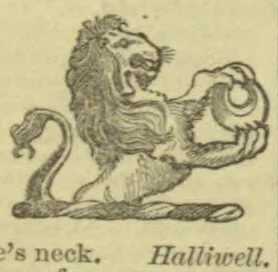
Crēst1, n.
n. [A-S. crista, O. Fr. creste, now crête, Pr., Sp., & It. cresta, Pg. & Lat. crista, allied in stem to Lat. crescere, to grow.]
Sense 1. A tuft, or other natural ornament, growing on an animal’s head; the comb of a cock; the swelling on the head of a serpent, &c.
When the viper issues from the brake, Be quick; with stones, and brands, and fire Attack his rising crest, and drive the serpent back. Pitt.
Sense 2. The plume of feathers, or other decoration, worn on a helmet; the distinctive ornament of a helmet, indicating the rank or race of the wearer; hence, also, the helmet itself. “Stooping low his lofty crest.” W. Scott.
And on his head there stood upright A crest, in token of a knight. Gower.
Sense 3. The helm or head, as typical of a high spirit; spirited bearing; pride; courage.
Now the time is come That France must vail her lofty plumed crest. Shak.
Sense 4. (Her.) An appendage to the shield, placed over it, and usually borne upon a wreath. It is generally either some portion of the coat-armor, or a device commemorative of some incident in the history of a family, and often contains an allusion to the name or office of the bearer.
Sense 5. The rising part of a horse’s neck. Halliwell.
Sense 6. The foamy, feather-like top of a wave. “Like wave with crest of sparkling foam.” W. Scott.
Sense 7. The highest part or summit of a hill or mountain-ridge.
Sense 8. (Fort.) The top line of a slope.
Interior crest, the highest line of the parapet. [See Illust. of Abatis.]