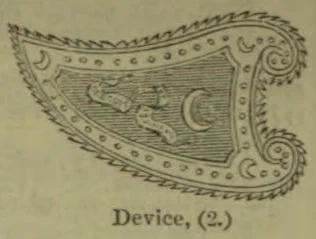
De-vice′, n.
n. [Fr. & Pr. devis, devise, It. diviso, divisa, Sp. devisa, divisa, from Lat. divisus, p. p. of dividere, to separate, distinguish; Pr. deviser, to divide, separate, explain, Sp. divisar, It. divisare, to share, imagine, devise, think, Fr. deviser, to interchange thoughts, talk. See DEVISE.] 1. That which is devised, or formed by design; a contrivance; an invention; a stratagem. “Their recent device of demanding benevolences.” Hallam. He disappointeth the devices of the crafty. Job v. 12. 2. An heraldic or family motto, usually connected with an emblematic picture; an emblematic figure, mark, or ornament. A banner with this strange device— Excelsior. Longfellow. Knights-errant used to distinguish themselves by devices on their shields. Addison. 3. Power of devising; invention; genius. I must have instruments of my own device. Lander. 4. A spectacle or show. [Obs.] Beau. & Fl. Syn.—Contrivance; invention; design; scheme; project; stratagem; shift.—DEVICE, CONTRIVANCE. Device implies more of inventive power, and contrivance more of skill and dexterity in execution. A device usually has reference to something worked out for exhibition or show; a contrivance usually respects the arrangement or disposition of things with reference to securing some end. Devices were worn by knights-errant on their shields; contrivances are generally used to promote the practical convenience of life. The word device is often used in a bad sense; as, a crafty device; contrivance is almost always used in a good sense; as, a useful contrivance.