Fōx1, n.
n. [A-S. fox, O. Sax. fohs, vus, O. H. Ger. fuhs, foha, Goth. faihs, faiho, M. H. Ger. vuhs, N. H. Ger. fuchs, L. Ger. & D. voss, vos, probably allied to Icel. fax, hair, mane, so that it originally signifies the hairy animal.]
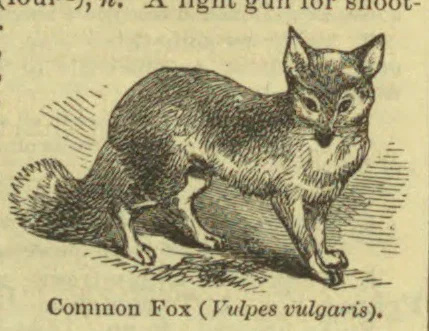
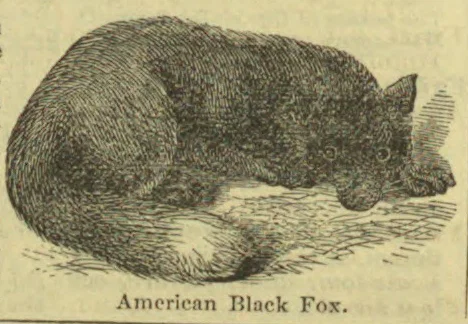
Sense 1. (Zool.) An animal of the genus Vulpes. It burrows in the earth, is remarkable for its cunning, and preys on lambs, geese, hens, or other small animals. The common fox of Europe is the Vulpes vulgaris; the red fox of America, the V. fulvus.
Subtle as the fox for prey. Shak.
Sense 2. A sly, cunning fellow.
We call a crafty and cruel man a fox. Beattie.
Sense 3. (Naut.) A small strand of rope, made by twisting several rope-yarns together; — used for seizings or mats. Totten.
Sense 4. A sword. [Colloq. and obsolete.] Shak.