Lō'tus, n.
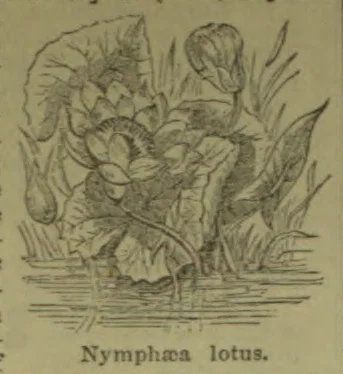
n. [Lat. lotus, Gr. λωτός.] 1. (Bot.) A plant of several genera; as, (a.) The Egyptian lotus, an aquatic plant, something like the water-lily, found in Egypt and Nubia. The Nymphæa lotus bears white flowers; the N. cærulea bears blue ones. Both of these are figured on Egyptian monuments. (b.) The lotus of the lotus-eaters, probably a tree found in Northern Africa (Zizyphus lotus), the fruit of which is mildly sweet. It was fabled by the ancients to make strangers who ate of it forget their native country, or lose all desire to return to it. (c.) The lote, or nettle-tree. See LOTE. (d.) A genus of leguminous plants. [Written also lotos.]
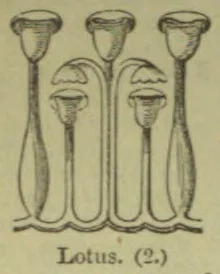
Sense 2. (Arch.) An ornament in the form of the Egyptian water-lily, much used in the architecture of early nations; and especially in the capitals of Egyptian columns. Gwilt.
Lotus-eater, one who gives himself up to pleasure-seeking.