Märe1, n.
n. [Fr. marc, probably from Lat. emarcus, a kind of wine of middling quality; originally a Gallic word.] The refuse matter which remains after the pressure of fruit, particularly of grapes.
4 entries under this word
n. [Fr. marc, probably from Lat. emarcus, a kind of wine of middling quality; originally a Gallic word.] The refuse matter which remains after the pressure of fruit, particularly of grapes.
n. [A-S. marc, Fr. & Pr. marc, Sp., Pg., & It. marco, Ger. mark, from A-S. mearc, M. H. Ger. mark, Icel. mark. See MARK.] [Written also mark.]
n. [A-S. mere, myre, merihe, Icel. meri, Dan. mürr, Sw. mürr, L. Ger. müre, mere, O. H. Ger. merhä, merihä, mericha, for merihja, merithja, marahja, marahia, M. L. Ger. mürch, merche, merhe, N. H. Ger. mähre, D. merrie, from A-S. mear, mearh, horse; Icel. marr, O. H. Ger. marah, marach, march, M. H. Ger. march, marc, allied to O. Celtic marka (Pausan. 10, 19, 4); Ir. marc, W. march.] The female of the horse, or equine genus of quadrupeds.
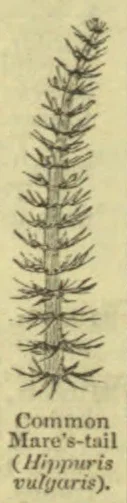
Mare's-nest, any thing very absurd or ludicrous; as, a person is said to find a mare's-nest, when he chuckles over the discovery of something which is absurdly ridiculous or a hoax. Grose.—Mare's-tail. (a.) A long, streaky cloud, spreading out like a horse's tail, and indicating rain. (b.) (Bot.) An aquatic plant of the genus Hippuris (H. vulgaris), having silicious, jointed stems; horse-tail. It is found all over the world. London.
n. [A.-S. mara, incubus, māre, nymph; Prov. Ger. mar, nachtmar, hence, Fr. cauchemar, from caucher, It. calcare, to oppress, allied to Pol. & Bohem. mara, the name of a spirit that torments persons in sleep.] (Med.) Sighing, suffocative panting, intercepted utterance, with a sense of pressure across the chest, occurring during sleep; the incubus;—used almost exclusively in the compound night-mare.