4 entries under this word

Punch

Pŭnch, n.

noun

n. [Hind. pantsch, Skr. pantcha, five, because this drink is composed of five ingredients, viz., sugar, arrack, tea, water, and lemons; Ger. punsch, D. pons, Fr. punch, Sp. ponche, It. puncio, poncio.] A drink composed of water sweetened with sugar, with a mixture of lemon juice and spirit.
Pŭnch, n.

noun

n. [Abbreviated from punchinello, q. v.]

  1. The buffoon or harlequin of a puppet-show.
  2. A well-set horse, with a short back, thin shoulders, broad neck, and well covered with flesh.
  3. A short, fat fellow; any thing short and thick.

I ... did hear them call their fat child punch, which pleased me mightily, that word being become a word of common use for all that is thick and short. Pepys.

Pŭnch, n.

noun

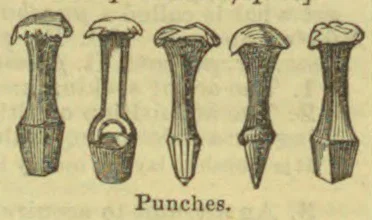
n. [Abbreviated from puncheon, q. v.] 1. A tool, usually of steel, variously shaped at one end for different uses, and either solid, for stamping, or for perforating holes in metallic plates and other substances, or hollow and sharp-edged, for cutting out blanks, as for buttons, steel pens, jewelry, and the like.

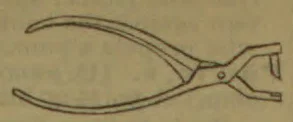
Sense 2. A blow or thrust. [Colloq.] Punch pliers, pliers having a tubular, sharp-edged steel punch attached to one of the jaws, for perforating leather, paper, and the like.

Five different punches are shown side by side.
Punches.
A hinged hand tool with long curved jaws and short handles, resembling a pair of tongs.

Pŭnch, v. t.

verbtransitive

v. t. [imp. & p. p. PUNCHED (pŭncht); p. pr. & vb. n. PUNCHING.] [From punch, n.; Fr. poinçonner, Sp. punzar, O. Sp. punchar, Pg. pungar, It. punzellare, punzecchiare, from Lat. pungere, punctum, to prick.]

  1. To perforate with an instrument; as, to punch a hole.
  2. To thrust against; to poke; as, to punch one with the finger or elbow.