Re-flēc'tion, n.
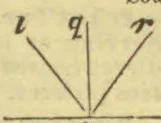
(re-flĕk'shun), n. [Written also re-flexion.] [Lat. reflexio, Fr. réflexion, Pr. reflexio, Sp. reflexión, It. riflessione. See REFLECT.] 1. The act of reflecting, or turning or sending back, or the state of being reflected; as, (a.) The return of rays, beams, sound, or the like, from a surface. The eye sees not itself, But by reflection by some other things. Shak. (b.) The reverting of the mind to that which has already occupied it; continued consideration; meditation; contemplation; hence, also, that operation or power of the mind by which it is conscious of its own acts or states; the capacity for judging rationally, especially in view of a moral rule or standard. By reflection then, in the following part of this discourse, I would be understood to mean, that notice which the mind takes of its own operations, and the manner of them, by reason whereof there come to be ideas of these operations in the understanding. Locke. This delight grows and improves under thought and reflection. South. 2. That which is produced by reflection; as, (a.) An image given back from a reflecting surface; a reflected counterpart. As the sun in water we can bear, Yet not the sun, but his reflection, there. Dryden. Reflection. (l, a.) l p q, angle of incidence; q p r, angle of reflection. (b.) Result of meditation; thought or opinion after attentive consideration or contemplation; especially, thoughts suggested by truth. Job's reflections on his once flourishing estate at the same time afflicted and encouraged him. Atterbury. 3. Censure; reproach cast. He died, and O, may no reflection shed Its poisonous venom on the royal dead. Prior. Syn.—Meditation; contemplation; rumination; cogitation; consideration; musing; thinking.