Whōle1, a.
(hōl, 20), a. [O. Eng. hole, hale, A-S. hāl, healthy, sound, whole, Goth. hails, O. Sax., O. Fries., L. Ger., & Sw. hēl, Dan. & D. heel, Icel. heill, O. M. & N. H. Ger. heil, W. holl, oll, Gr. ὅλος, οὖλος. Cf. HALE, HALL, a., and HEAL.]
Sense 1. Containing the total amount, number, and the like; all; total; entire; without deficiency or diminution; as, the whole earth; the whole solar system; the whole army; the whole nation. “The whole race of mankind.” Shak.
On their whole host I flew unarmed. Milton.
Sense 2. Complete; entire; not defective or imperfect; integral; as, a whole orange; the egg is whole; the vessel is whole.
Sense 3. Unimpaired; unbroken; uninjured.
My life is yet whole in me. 2 Sam. i. 9.
Sense 4. Possessing, or being in a state of, health and soundness; sound; well.
They that are whole need not a physician. Matt. ix. 12.
His hand was restored whole. Mark iii. 5.
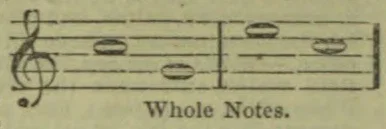
Whole blood (Law of Descent), blood compounded wholly of the same ingredients; blood which is derived from the same couple of ancestors. Burrell.—Whole note (Mus.), the note which represents a tone of longest duration in common use; a semibreve.
Synonyms—All; total; complete; entire; integral; undivided; uninjured; unimpaired; unbroken; healthy.—WHOLE, ENTIRE, TOTAL, COMPLETE. When we use the word whole, we refer to a thing as made up of parts, none of which are wanting; as, a whole week; a whole year; the whole creation. When we use the word total, we have reference to all as taken together, and forming a single totality; as, the total amount; the total income. When we speak of a thing as entire, we have no reference to parts at all, but regard the thing as an integer, i. e., continuous or unbroken; as, an entire year; entire prosperity. When we speak of a thing as complete, there is reference to some progress which results in a filling out to some end or object, or, in other words, absolute fullness; as, complete success; a complete victory.
All the whole army stood agazed at him. Shak.
Lest total darkness should by night regain Her old possession, and extinguish life. Milton.
One entire and perfect chrysolite. Shak.
So absolute she seems, And in herself complete. Milton.