The Youth’s Instructor, Vol. 65, No. 5.

Fifty Reasons Why I Shall Vote for Prohibition
Earlier text: Master Frog as Doctor

For the Other Man

YOUR son has no taint of the drink madness in his blood. Do not say that therefore you have no interest in the great reform; but by that mercy, and for the sake of other boys who have no chance at all for a clean life, enlist with us to close the mills that grind up boys like rags to make the paper for the diary of failure and of crime.
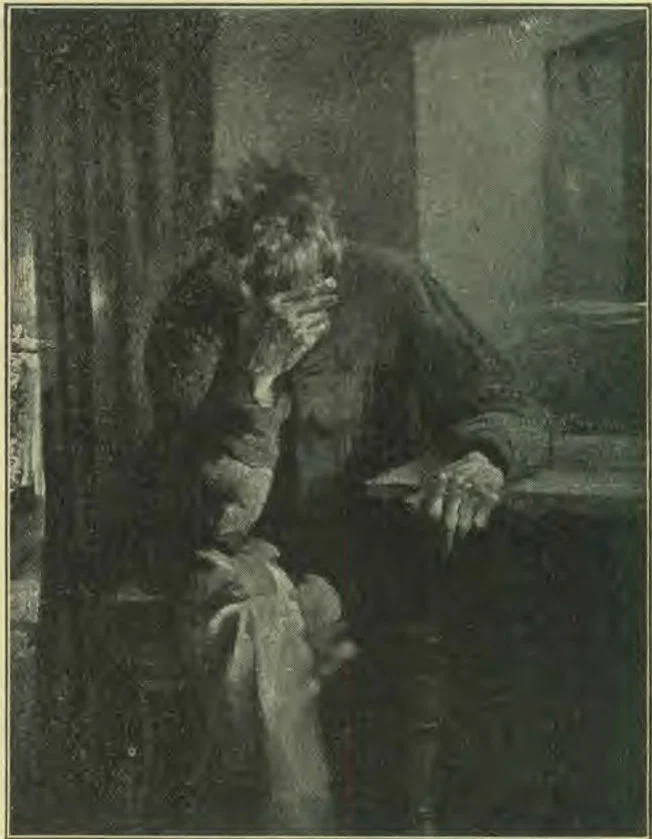
Two hundred and forty thousand saloons yawn along our way. They are no temptation to you. You despise them, and pass them. But the man behind you, as brave as you are, and ten thousand times more anxious to do right, hates the saloon, but goes in, and drinks his mind to a chaos and his heart to a clot, because he has to. You did not have to. Is that your own good management? In such a fight as his, what would have become of you? By the mercy of God that has spared you, I beg of you to lend a hand for the other man.
By the mercy of God, that has given to you the unshaken confidence of her you love, I beseech you, make a fight for the women who wait tonight until the saloon spews out their husbands and their sons, and sends them, maudlin, brutish, devilish, vomiting, stinking, to their arms. And you, happy wives, whose hearts have never wavered nor had occasion to waver, and who, when your husbands fail to come on time, can go to bed without a fear, and go to sleep with smiles upon your lips, and sleep the long night through peacefully, even to dream—by the mercy of God that gives you that, I beseech you, band yourselves to help, at least to cheer, the wives who, their whole lives through, must walk the rotten lava crust of burnt-out confidence—their very love a terror and a pain.
I shall never drink again; but one night in a New England train, and very ill, I met a stranger who pitied me and gave me a quick, powerful drug out of a small vial, and my pain was gone in a minute or two; but alcohol was licking up my very blood with tongues of flame. It was not yet daylight, Sunday morning, when I stood alone on the platform at Pawtucket. I flew from saloon to saloon. They were shut. So were the drug stores. And all that day, locked in my room at the hotel, I fought my fight, and won it in the evening, by the grace of God; and the people never knew that the man who spoke to them that night had been in hell all day.
What would you take, in cash, to have that put into your life?
By the mercy of God that has spared you that kind of peril and that kind of taste, I beseech you, cast a vote next time for the Son of man, who died for drunkards, and to make the stations on life's highways safe for storm-tossed men to stop at, any day or night.—John G. Woolley.

Send Copies to Others Now

If you have any interest in your fellow men, any desire to advance the prosperity of your country, and believe that this paper will aid in securing good to both man and country, don't delay to send at least for twenty-five copies, five cents a copy, to give to others. Do it now.

Alcohol Use as Hypocrisy and Moral Responsibility
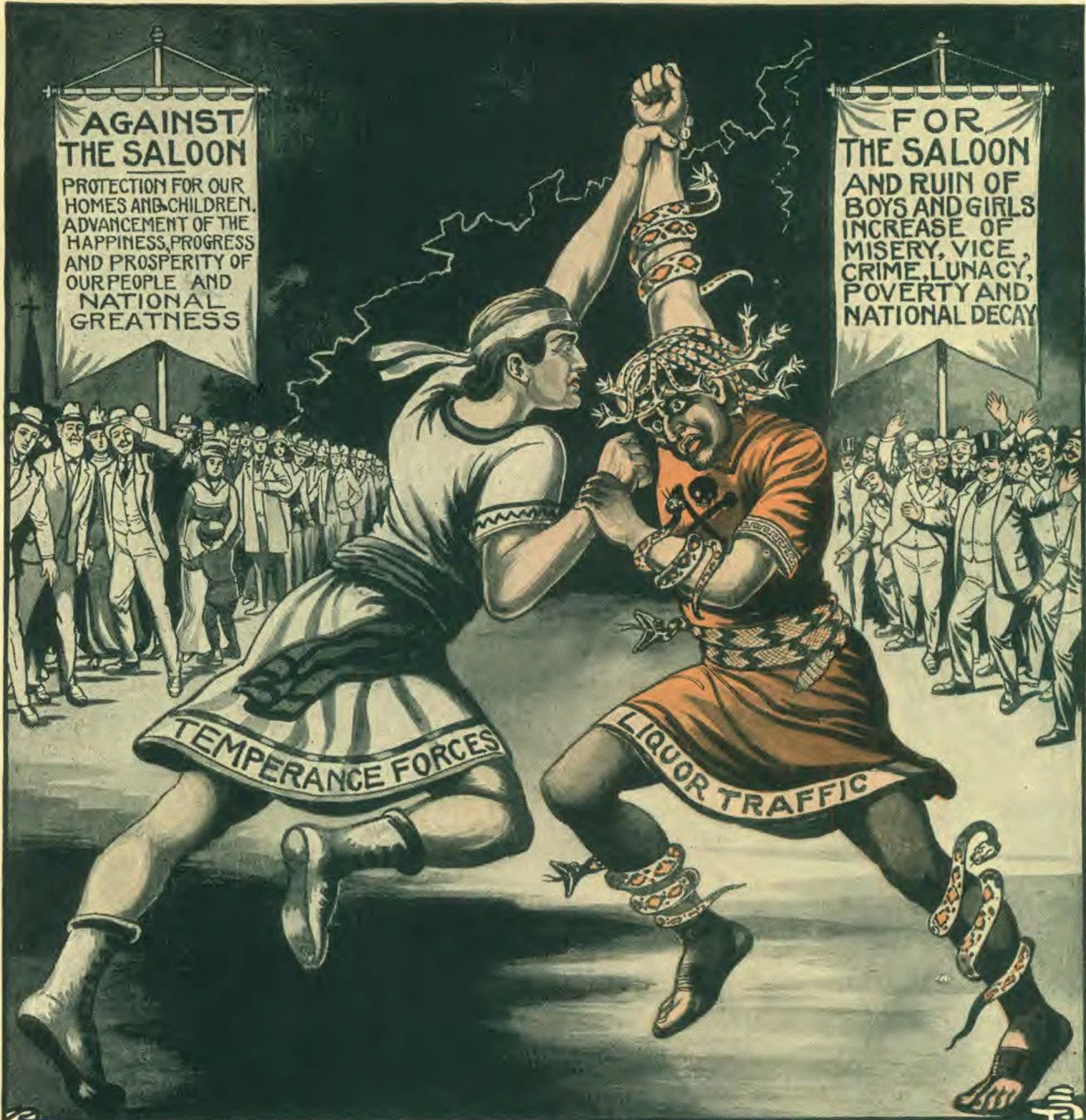
“Food value” talk and the other “value” talk about alcohol is defensive hypocrisy. I know, because once I was that kind of hypocrite myself. The truth is that all drinking of alcohol is against nature. The honest drinker admits it. He says, “Yes, I’m hurting myself more or less; but I’ll take the hurt for the sake of the comedy I get out of it.” But no man has a right to do this; for his hurt becomes another’s hurt, perhaps another’s complete degradation and destruction. Each man is his brother’s keeper.
“Should not the scorched child warn others against playing with fire?” asks Booth Tarkington, the world-famous writer. We think he should. So the individual, the town, city, or State that has been scorched by the liquor traffic, but through prohibitory legislation or other means has escaped its ravages, is obligated to warn the world of the devastating nature of alcohol.
Remorse for the first glass, and all that followed

You have reached the end of this edition.

The Youth’s Instructor · Jan 30, 1917