HARVEY'S CHOICE

8%

S. D. A. Publishing Association · Battle Creek, Mich. · Feb 14, 1895

FromThe Youth’s Instructor, Vol. 43, No. 7.

Read the full edition
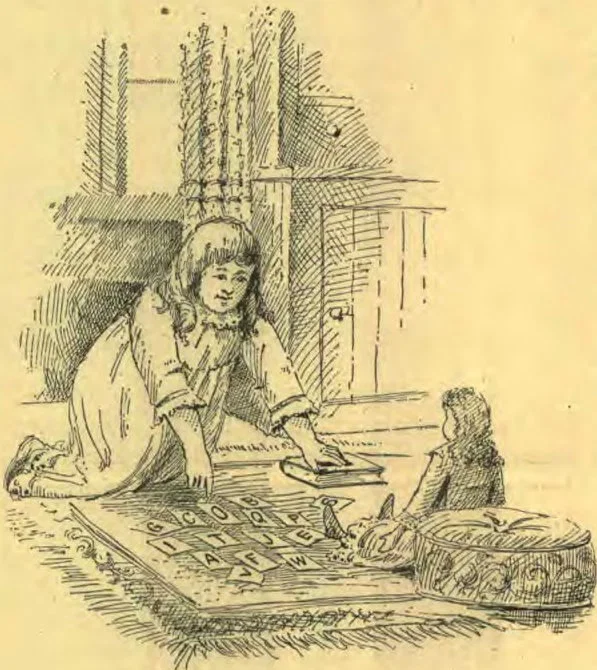
“NOW LISTEN, AND I'LL TELL YOU.”

HARVEY'S CHOICE.

Harvey James and Clarence Field were firm friends. They attended the same school. It was difficult to decide which was the better scholar. They were both talented and refined. The tender love and consideration they had for each other was indeed beautiful to behold; it reminded one of Jonathan and David. But finally the time came when they must separate. The graduation exercises were concluded, and the young men left school with honors. Now they must go out in the great lonely world to earn their living.
Clarence and Harvey differed somewhat in their opinions, especially upon the temperance question. Harvey was strictly temperate, while Clarence would indulge in an occasional glass of soda or cider. Harvey would often say, “Clarence, I wish you were a strict temperance man.” Clarence usually replied, “I do not think it will hurt me. Thank you for your advice; I know you have given it in kindness.”
“Papa says most people use those things; but a Christian should not do so, as the habit often leads to a worse form of intemperance.” But in vain did his faithful friend and companion warn him.
Clarence was called to fill a position in a large drug store. Harvey chose a life of poverty and toil by giving himself in his best years wholly to the service of his Master. He became a missionary—not to a foreign land, but he labored for the fallen in a large city of his native country. His life-work served to show him the folly of intemperance, and the wisdom of his good father, who had fallen asleep in Jesus. His mother he could not remember, as she had died when he was a child.
But what of Clarence Field? What was he doing with the talents God had intrusted to his care? Well, he went into company. His leisure evenings were spent with “the boys.” He soon learned to play cards and billiards. The cider and soda were discarded for wine, and once in a while “a whisky.” His progress downward was very rapid. The God of his childhood was slighted and insulted. The widowed mother, who had taught him to pray, was forgotten. Sad, sad condition!
His employer said to him one morning: “Clarence, you cannot expect to retain your position if you do not cultivate steady, sober habits; the good character of my place of business will be questioned. People do not care to have prescriptions filled by intoxicated clerks.”
This warning did not affect Clarence. He was finally dismissed. He had no money, as he had lost it all by gambling; but the greater loss was his character.
There was nothing left for him to do but to return to his aged mother. He did not return as did the penitent prodigal. He grew worse and worse. One day, while staggering down the village street, he met a young man with a little red, white, and blue cross fastened on his bosom. Clarence did not recognize his old friend and schoolmate, Harvey; and as the young soldier of the cross looked upon that living temperance sermon, he again gave thanks to his God for keeping him in the path of duty.
Harvey James led his old friend home, but Clarence did not get over this dissipation. He became very ill, and died in a few days. God had warned him,—had stretched out his hand to Clarence Field,—but he had refused. The preparations for burial were completed. Sorrowing relatives and sympathizing friends gathered for one last look; but none of them suffered so keenly as Harvey James, as he recalled these words: “If any man defile the temple of God, him shall God destroy; for the temple of God is holy, which temple ye are.” 1 Cor. 3:17.
ANNA V. RUTHVEN.