MAN'S PLACE IN NATURE

13%

Review and Herald Publishing Company · Battle Creek, Mich. · Sep 28, 1899

FromThe Youth’s Instructor, Vol. 47, No. 38.

Read the full edition
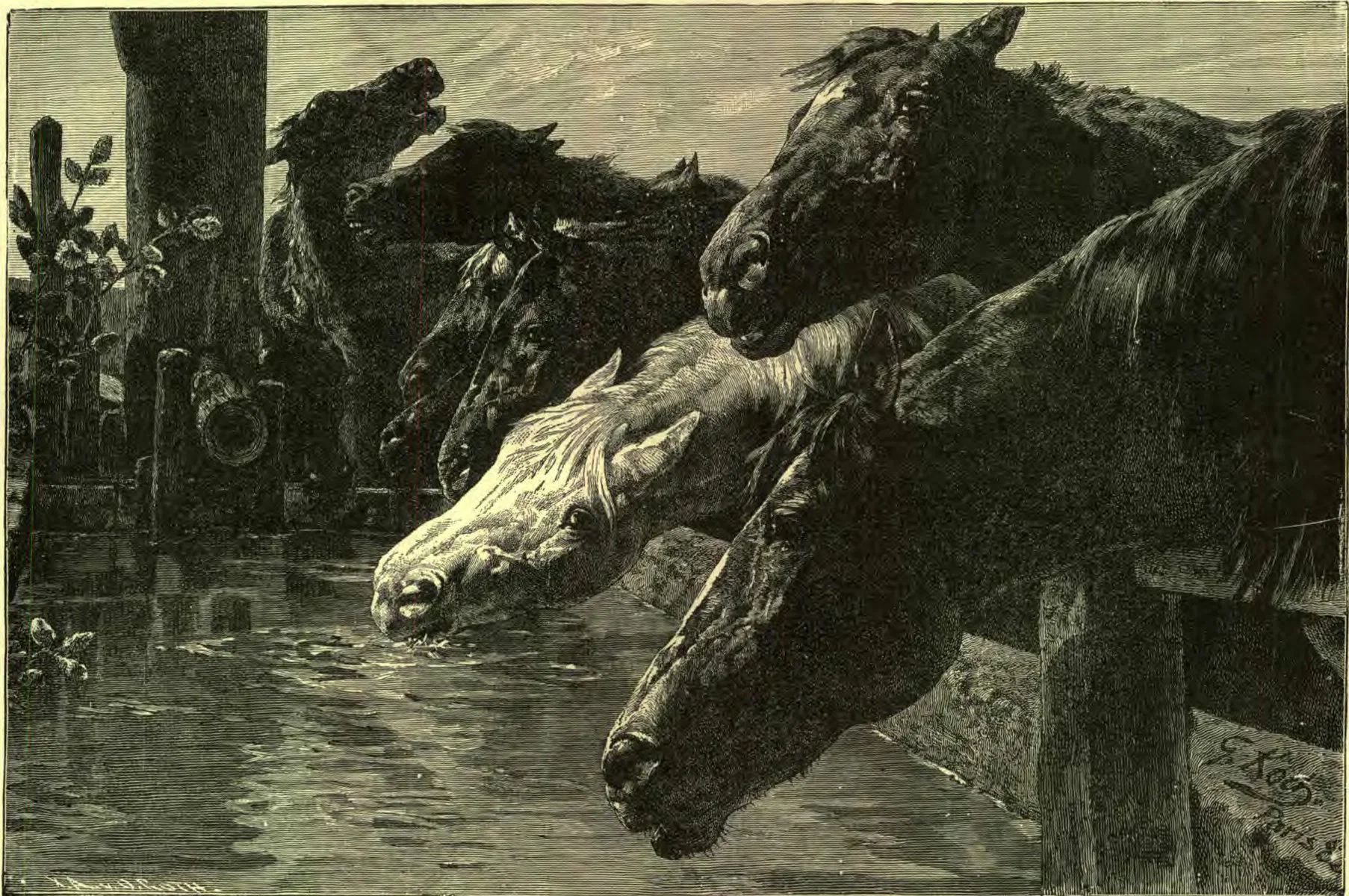
FAITHFUL SERVANTS.
FAITHFUL SERVANTS.

MAN'S PLACE IN NATURE

Man's Relation to the Animals

In our last study we noticed the relation of man to the vegetable kingdom. We found that the Lord created the plants for two purposes; first, as food for the lower animals; second, for man to look upon and enjoy. In our study to-day we will talk of man's relation to the animals. When God spoke to his Son, he said, “Let us make man in our image, after our likeness.” He also spoke of what was to be his position in the great work of creation. These are his words, as found in Gen. 1:26: “And God said, Let us make man in our image, after our likeness: and let them have dominion over the fish of the sea, and over the fowl of the air, and over the cattle, and over all the earth, and over every creeping thing that creepeth upon the earth.” So man was created the head of the animal kingdom, having rule and dominion over all the creatures that God had created on the fifth and sixth days of creation. Everything was made for man, and he was to have a certain relation not only to the animals but also to plants. The intelligent powers of man were so well developed that he was capable of appreciating the things that God had made; and in return for these blessings, he was to render grateful praise to his Creator.
The lower animals sustain a different relationship; for they were not endowed with powers of reason, so that they could think upon God's creation, and express their appreciation in an intelligent way. Man was made responsible to God for the way he improved the opportunities and privileges afforded him; while the animal creation were held responsible only for the service rendered to man, who was made their immediate ruler. David brings out this relation of the lower animals to man in the eighth psalm, where he says: “What is man, that thou art mindful of him? and the son of man, that thou visitest him? For thou hast made him a little lower than the angels, and hast crowned him with glory and honor. Thou madest him to have dominion over the works of thy hands; thou hast put all things under his feet: all sheep and oxen, yea, and the beasts of the field; the fowl of the air, and the fish of the sea, and whatsoever passeth through the paths of the seas.” The relation existing between man and the lower animals is also clearly brought out in the following words: “Man was placed, as God's representative, over the lower orders of beings. They can not understand nor acknowledge the sovereignty of God, yet they were made capable of loving and serving man. . . . Man was to bear God's image, both in outward resemblance and in character. . . . His nature was in harmony with the will of God. His mind was capable of comprehending divine things.”
At the present time we find that this relationship that God designed should exist between man and the animals has been broken, and that many of the animals are estranged from man. Many of them are his enemies instead of his friends. Not only is this antagonism seen between man and the lower animals, but it is also manifested between man and man. In a future lesson we shall learn what brought about this condition of things; but it is easy to see, from the texts already quoted, that God made the lower animals to be servants to man, and to express their love and affection for him in many ways of humble service. In return, man was to treat the animals with the spirit of kindness and love. This spirit of unity and love is also to exist between man and man, to an even higher degree than it exists between man and the animals; and then the highest expression of love and service is to be manifested by man to his Creator, who is to be the object of supreme love and worship.
We have now completed the study of the work done during the first six days of creation. We have seen, step by step, the work carried forward until now we behold nature's machinery in its completeness and perfection, carrying out the mind of the Creator. What did the Lord do on the next day? This question will be answered in our next study.
M. E. CADY.