MR. BURBANK is to the plant world what Mr. Edison is to the electric world. His wand can give to the calla lily the fragrance of violets or of water lilies, and to the plum the fragrance and flavor of the Bartlett pear. Seedless oranges, stoneless plums, white blackberries, and a long list of new varieties of fruits and flowers are products of his wizardry. Out of a black walnut tree and a California walnut he has produced a new tree that grows twice as rapidly as the combined growth of both parents. The ordinary chestnut tree of the woods requires from ten to fifteen years to pass from seedling stage to nut bearing; but Mr. Burbank has made a chestnut tree six months old bear nuts. The pineapple quince, a luscious fruit, which combines the characteristic qualities of each of the parents; the Burbank potato, known throughout the country; and the spineless cactus, which because of its economic value is regarded by some as his greatest achievement, are all products of Mr. Burbank's skill. He has produced the Australian star flower, which retains permanently its perfume and color; the scarlet poppy, yellow calla lily, new and hardy varieties of the tea rose; and besides these he has combined the field daisy with Japanese and European varieties, producing the exquisite Shasta daisy, a prince among flowers. All this has Mr. Burbank done, and much more. But there is one thing he has not done. I have asked him to tell you himself. He says:
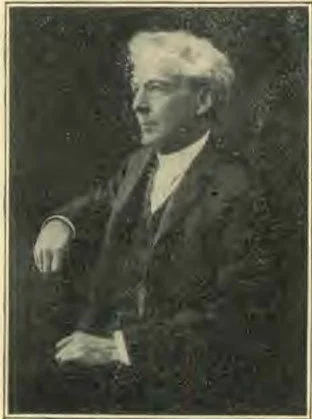
“I have never used tobacco in any form, and, being of a nervous temperament, I am entirely satisfied that I should not have survived if I had. Many of my young friends are now in their graves, undoubtedly from cigarette smoking alone. I have never met any person who thought that cigarettes were beneficial to any one, under any circumstances. Why do people use them? That is too much for me, for the effect of them on boys is exactly like that of sand in a watch.”
Mr. Burbank absolutely refuses to employ cigarette users in his gardens, for he says that tobacco destroys the delicacy of touch necessary in his budding work. So our wonder-working plant wizard of America says, both by example and precept, that boys who wish to do things worth while must not touch the filthy weed, tobacco.