MANY years before Europeans established settlements in South Africa, their sailing vessels, in passing to and from the Indies and Australia, frequently called at the Cape of Good Hope for fresh water, meat, and vegetables, which they obtained from the Hottentots, who were numerous in that section of the country. Anthony Marlow, on board the English ship “Hector,” in 1602, in speaking of Table Bay, says, “It is the best and cheapest place to refresh men in these voyages that ever ship can come to.”
Many times in those early days cattle could be purchased from the natives very cheap, an instance being recorded of a passing vessel securing a number of head of oxen for two pocketknives for each ox. Sheep also could be secured for a penny bracelet. This trading with passing vessels was carried on for many years, the Europeans obtaining their fresh supplies from the natives, and the latter in turn being supplied with many useful things by the Europeans.
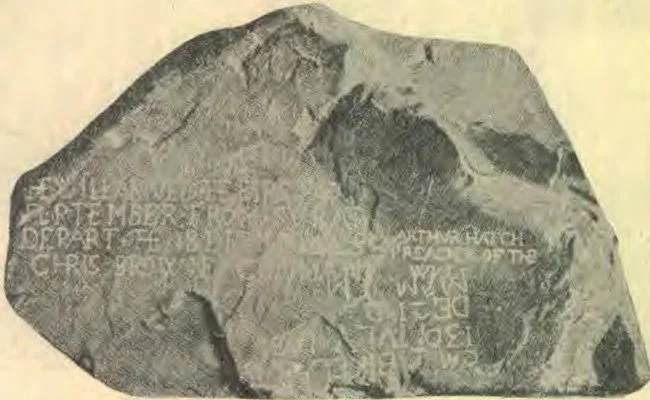
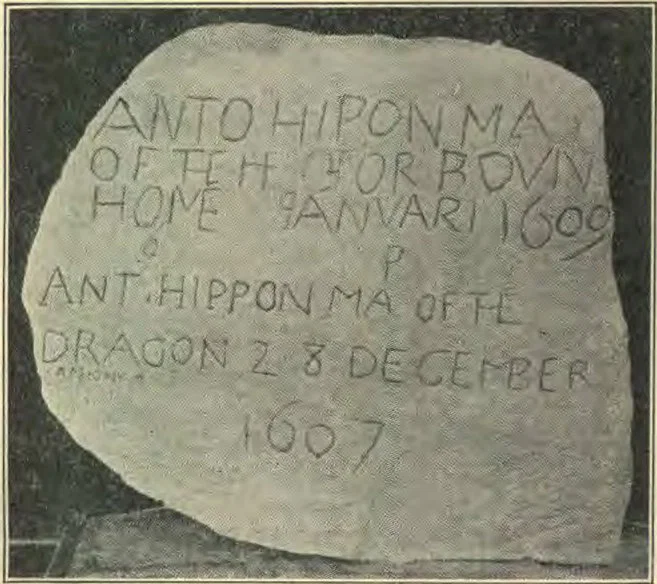
Navigators would also frequently chisel on the large rocks or bowlders the date of the arrival of their vessel and from what port they had sailed, with the name of the vessel and of its captain, also the time of its departure, and to what place it was bound. Many of these inscribed stones have been found along the South African coast as excavations have been made. They are now seen in the museums.
From the fact that many of the stones were used as post offices by the early navigators, they were called post-office stones. Vessels in transit between Europe and the Far East would carefully prepare packages of letters or gifts to their loved ones at home, and deposit them underneath these rocks, that perchance the sailors of the homeward-bound vessel might see them and take them to the homeland. These packages had to be placed in oil bags, then carefully wrapped in canvas and thoroughly pitched, making them water-tight, for oftentimes they had to withstand the elements for many months. To the credit of the native people, let it be said that, although they well knew the location of these little packets, seldom was one disturbed.
The accompanying pictures show two of these post-office stones probably used for securing home letters by early navigators visiting the southern shores of the Dark Continent. W. B. WHITE.