THE “Fu An” was scheduled to sail at five o’clock in the morning. Bound for Siang-tan, we left our island home and leisurely wended our way toward the dock, only to find that the boat had already gone. Being loaded with passengers, schedule or no schedule, why wait to accommodate a few men? Or why sail on schedule time to favor a few passengers when by waiting two or three hours, the boat may be crowded with travelers?
After a few hours a little Chinese launch steamed up, which we boarded. Going into the public cabin, we found that a number of Chinese had already preceded us. Among them was a bright, well-dressed young man of about twenty, who presently, addressing us in good English, inquired as to where we were going and what our business was. He said, “I am a Christian. My home is in Siang-tan. I was graduated from the English high school and have had two years’ college work. Now I wish to study for the ministry.”
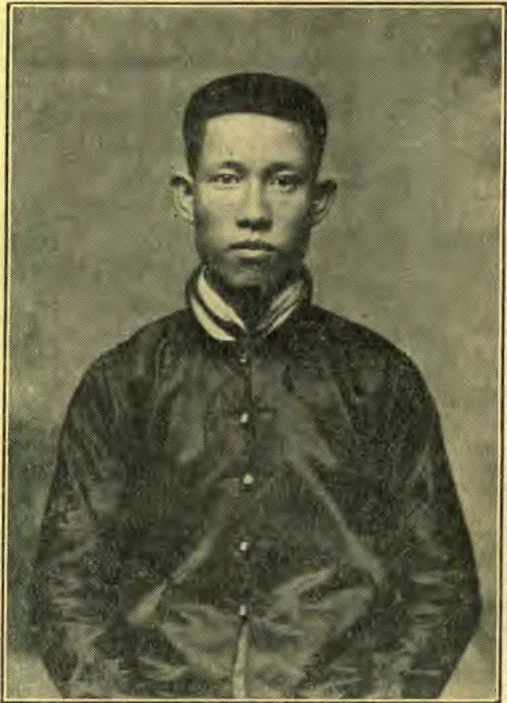
We asked him how he would like to teach Chinese to foreigners. Procuring the services of our Chinese evangelist at Siang-tan to act as middleman, we made arrangements with the young man, Djao Shu Sen, to come to Changsha to act as teacher. He itinerated with us for three months, writing letters, arranging trips, renting buildings for chapel purposes, and helping in various ways.
Previous to his becoming a Christian, Mr. Djao traveled over Hunan, selling gold and silver idols. In this way he learned the several dialects of the province, so was able to translate for us.
At the Hankow general meeting he learned more about our message and work. He was already deeply interested in the prophecies and in the Sabbath question. At the close of the Hankow institute he decided to become a worker in this cause, and is now assisting at the union conference headquarters in Hankow as translator.
And now we are wondering if the sailing of the river boat without us was a matter of chance, or if, with the poet we may say,