“The use or introduction for drinking purposes of alcoholic liquors on board any naval vessel, or within any navy yard or station, is strictly prohibited, and commanding officers will be held directly responsible for the enforcement of this order.”
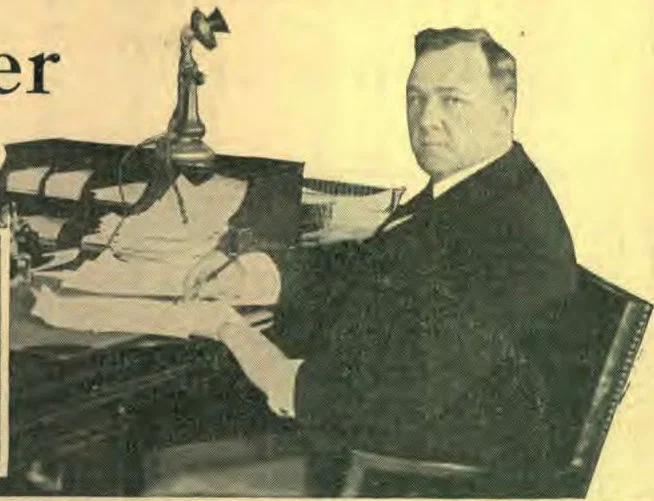
PREVIOUS to July 1, 1914, an order prevented any enlisted man from drinking a glass of beer on board a warship. There remained, however, the wine mess of the officers. It was not common for officers of the navy to become intoxicated; but wine was served at the wardroom meal, and was allowed in the officers’ individual lockers. Drinking even to intoxication therefore was sometimes known.
A United States naval officer in command of one of our cruisers says: “The Wine Mess Order has been of the greatest benefit to the navy. Mr. Daniels has done many big things for the navy, but I believe the Wine Mess Order is the biggest.”
Secretary Daniels’ Own Story
as given in the Sunday School Times, of what led him to issue the order, is of interest. He says:
“One day, shortly after I had become Secretary, a gentleman came into the Department to plead for the restoration of a young relative of his, who had been dismissed from the navy for intoxication. I showed him the record, which proved that this young officer had not only been drunk, but had at the same time made a public exhibition of himself. I explained that there was no course to be pursued but to act firmly and finally in approving the court-martial which had recommended the young officer’s dismissal.
“When I made it plain that the young man must inevitably pay the penalty, this gentleman protested earnestly and with much feeling against what he insisted was the injustice his young relative had received at the hands of the navy. ‘Now that he is the product of your system,’ said my visitor, ‘you have turned him out in disgrace.’ He then went on to tell me the following story:
“‘I am a Friend, a Quaker, and the boy’s father was a Quaker. He was a little shaver when his father died, and the lad came into my home, and has always been to me as a son. I never even had so much as a glass of wine in my home, and when the boy left for Annapolis to enter the Naval Academy he did not know what the taste of liquor was like. I gave him to the American navy, pure-hearted, unsullied, believing absolutely in the old-fashioned Quaker ideas in which he had been reared.
“‘In the seven years you have had him in the navy you gave him wrong ideas about drinking. You taught him that it was all right for a gentleman to have his toddy. You legalized the wine mess. You had a code that made a youth feel that he was narrow-minded if he turned down his glass at the table; but now that my boy has been ruined by you and your system, the navy kicks him out, and puts a stigma on him.’
“Much more than this he said, but this is the substance of his strictures. He was a strong man, and his feeling for the youth whose drinking had wrecked his life was pathetically deep and genuine. When he went out, I could not throw off a stinging sense of justice in his accusation. All day it haunted me that in the discharge of my official duty I had been compelled to approve a decree for which a navy practice was largely responsible.
“For days I was oppressed by the thought that every young man in the navy, many coming from homes like that described by my Quaker visitor, was subject to similar temptation.
“As time went by there were more court-martials—not many, but enough to add to my profound conviction that the old Quaker had pointed me out unerringly the path of duty.
“I knew very well what the issuing of the Wine Mess Order meant. I counted the cost. I knew that many officers in the navy, temperate, honorable, as high-minded as King Arthur’s knights, without fear and without reproach, would resent it, resent it bitterly ; they would feel that the order would convey a wrong impression to the world.
“I realized that the order would be assailed by a multitude of people who would regard it as puritanical. I anticipated that the protest against it might reach into the houses of Congress. But if I was at any time tempted not to take the step for any of these reasons, the reflection that every year there came into the navy hundreds of young men, some of whom might find their undoing in indulgence, made my duty plain. If I had not issued it, I could not have rested with a clear conscience unto this day.
Order Welcomed by Parents
“The order was hailed with so much satisfaction by the fathers and mothers of the country that my mail was doubled and trebled for a month or two. By the time Congress assembled, those who had thought to attack the order upon the floors of Congress found there was not a man in either house who ever raised the issue. By that time, too, the navy officers had learned that it was far from any thought of mine to reflect upon the service. I took occasion to let the public know that so far as the mass of the officers were concerned there was no need for the order. It was issued to safeguard the young men who were coming into the service. The public well understood the reason and heartily approved it.”
Conditions that made the Wine Mess Order opportune for the navy demand a Federal order for a dry nation, that our young men everywhere in the business and social world may be free from the great liquor element that altogether counteracts the good that conscientious, patriotic fathers and mothers have sought to instil in their boys.