MISSIONARY HENS

7%

Review and Herald Publishing Company · Battle Creek, Michigan · March 26, 1903

FromThe Youth’s Instructor, Vol. LI, No. 12

Read the full edition

MISSIONARY HENS

LAYING HER EGGS IN THE SEWING-BASKET
THE third angel’s message is going quickly to all the earth, and then Jesus will come. Even the children understand these glad tidings, and they are ready to do what they can to send the word along.
Children can help. They can make the ground serve them in missionary gardens, or they may have missionary chickens, and in a number of other ways can earn little gifts for the cause of missions.
I will tell you a true story about two missionary hens. We have heard something about the missionary acre, and the missionary garden, but very little about how chickens can be made to help provide the money to send the good news that Jesus is coming.
Several years ago, in one of the Eastern Central States, there lived two little girls who loved the poor children far away across the sea, because their mother loved them, and she had told her children about them—how they were born to miserable, unhappy lives, many times not being permitted to grow up, and that nothing but the love of Jesus and a knowledge of him as their Saviour would ever change the sad condition of these people. But what could two little girls do to help?
Two motherless chicks were found at the barnyard one morning. Some one must care for them until they were able to do for themselves. The little girls went joyfully at their self-appointed task; for these chicks were going to be missionary hens some day, and they should help to carry the good news about Jesus to the darkened minds far across the seas.
In anticipation of the work for which they had been set apart, these chicks were named in memory of two noble missionary women. To one was given the name of a missionary whose name was a household word. The children had often heard of her, and loved her because she was a representative of the church to which their parents belonged. She was working in far-away Japan. To the other was given the name of that heroic woman, among the first to sail from America’s shores, Ann Hazleton Judson, who so fully entered into the labors of her noble husband in his work for the Burmese. This name was loved and revered by the mother, because, to her, in her girlhood days, it had been the synonym of real devotion and unselfish missionary work. She had longed to throw her whole life into the same enterprise, but God ordered for her a different field.
The little chicks grew rapidly, and soon the large eggs began to accumulate, to the pleasure of the children; for these were Plymouth Rock hens, and they seemed more faithful than all the others in the flock, in giving their contribution every day to send the gospel to the heathen.
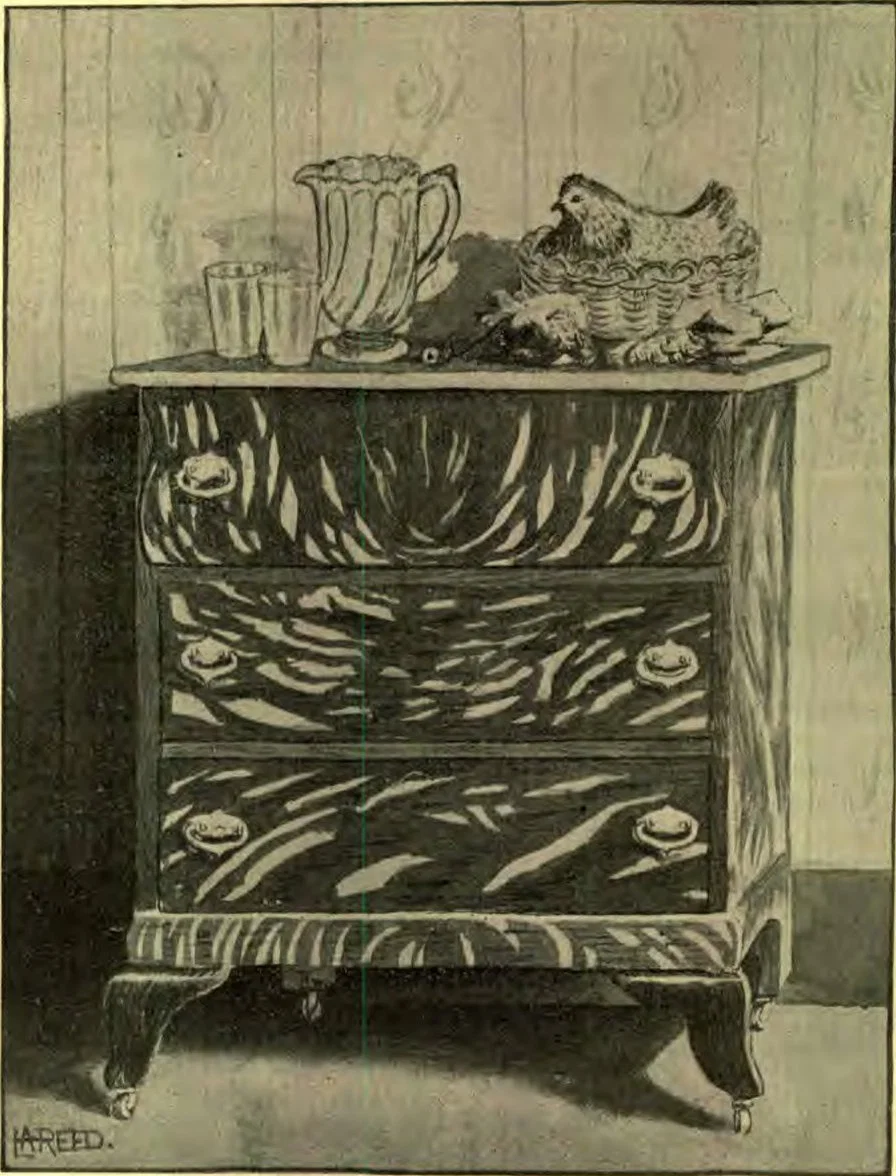
The one which had been named for Mrs. Judson would persist in laying her eggs in the sewing-basket which stood in the dining-room, unless she was driven out. And it was indeed a cunning sight to see her little bright eyes peeping out above the basket, as if she knew her eggs received more attention, and were more precious, than any others gathered about the place.
Every egg was cherished, and either sold to the mother or to some of the neighbors, and the money saved for the annual collection; for in those days it was taken up only once a year.
This little incident served for more than merely increasing the missionary offering from that home. It was the means of instilling more deeply that missionary inspiration which holds the heart true to God under trying circumstances in later years.
How many of the children would like to engage in such an enterprise? Ask papa and mama about it early. Perhaps you can have a missionary hen to raise a whole flock of chickens for you this summer; and the earlier you get about this work in the spring, the more money you will realize for your missionary offering.
The greatest work in the world is the preaching of the last message of mercy. When every one in heathen lands has had the privilege of hearing about Jesus, then he will come to gather together his children. Even the little ones may have a part in the work. How many will try in this way to help the work along this year?
ESTELLA HOUSER.