The Gentle Art of Letting Alone

7%

Review and Herald Publishing Company · Battle Creek, Michigan · November 20, 1902

FromThe Youth’s Instructor, Vol. L, No. 46

Read the full edition

The Gentle Art of Letting Alone

I WAS once a guest in a family of girls and boys whose affection for one another was a marked characteristic, and who were considerate and unselfish. Yet there was an atmosphere of contention in the household that marred its peace and happiness.
At last I ventured on a suggestion (being so much older, and a kinswoman) to the eldest daughter, a lovely and loving girl of eighteen.
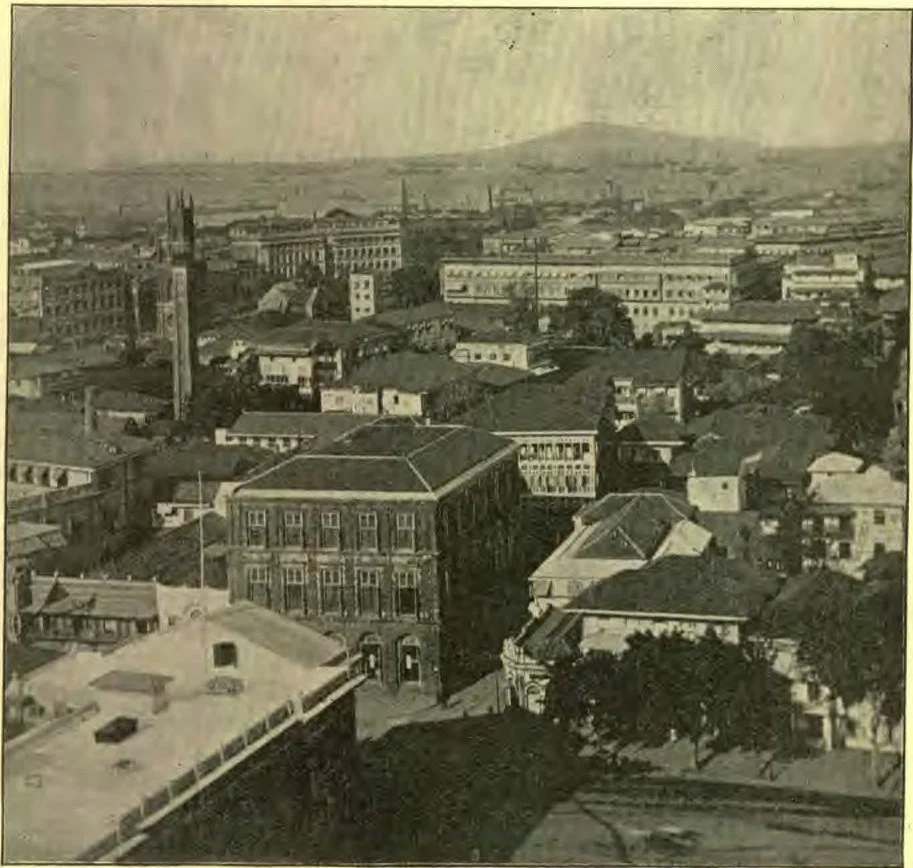
A CORNER OF BOMBAY
A CORNER OF BOMBAY
“Don’t you think, my dear,” I said, “that it would be better to let Fred go his own way sometimes, without any controversy, even if you are sure it is a mistaken way, and will bring him trouble?”
The dear young thing looked at me in wide-eyed surprise. Let Fred take a mistaken course without trying to hold him back! Evidently the suggestion seemed rank disloyalty.
“I do think,” I went on, with some hesitation, “that, next to obeying God and your parents, the very most important thing in your home life is that it should be saturated through and through with the sunshine of love and kindness and perfect sympathy.”
“Yes?” said Fred’s sister, doubtfully.
“It really does not matter lastingly,” I kept on, “whether Fred brings his dog in the house or not, whether he cleans his gun on the back porch or in the wood-shed, whether he wears his patent leathers out in the wet or puts on overshoes.” I stopped, and looked anxiously at the flushing cheeks of my young listener.
“It does matter, infinitely much,” I continued, “whether or not the boy finds home the jolliest place in the world, whether or not he turns to his sister as his best chum and confidant, sure of her sympathy, not fearing any small, stinging criticisms.”
There was no response to my suggestion.
“My dear Ellen,” I said, “I am sure that, nine times out of ten, when we feel impelled—almost compelled—to say ‘Don’t,’ we ought to restrain the inclination; and even that tenth time we should think twice before criticising one who is pretty sure to know his own business better than we do, and quite sure to think he does. Will you not try my plan of letting your brothers and sisters make their own mistakes, and get their own experience, while you make yourself the joy of their lives?”
I am glad to add that I had the happiness of seeing my suggestion take root, and bring forth the peaceable fruits of happiness and sweet content in that household.
And just the other day a friend said to me, complainingly, “You don’t love Jack nearly as much as I do, yet you have twice as much influence over him.”
“Ah!” I said to myself, “it is because I practise the gentle art of letting alone.”—Elizabeth Preston Allan.