70 × 7 = “that we are never to become weary of forgiving.”
21. Then came Peter to him, and said, Lord, how oft shall my brother sin against me, and I forgive him? till seven times?
22. Jesus saith unto him, I say not unto thee, Until seven times: but, Until seventy times seven.
23. Therefore is the kingdom of heaven likened unto a certain king, which would take account of his servants.
24. And when he had begun to reckon, one was brought unto him, which owed him ten thousand talents.
25. But forasmuch as he had not to pay, his lord commanded him to be sold, and his wife, and children, and all that he had, and payment to be made.
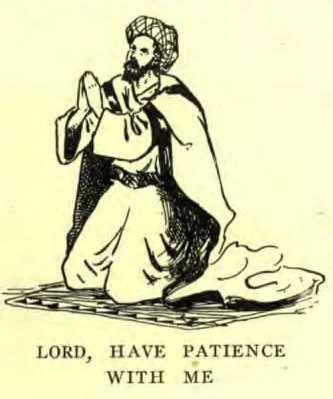
26. The servant therefore fell down, and worshiped him, saying, Lord, have patience with me, and I will pay thee all.
27. Then the lord of that servant was moved with compassion, and loosed him, and forgave him the debt.
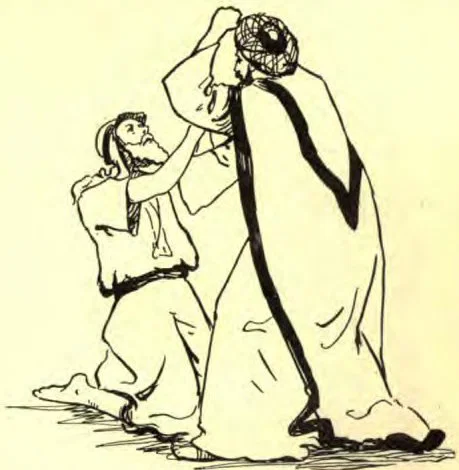
28. But the same servant went out, and found one of his fellow servants, which owed him an hundred pence: and he laid hands on him, and took him by the throat, saying, Pay me that thou owest.
29. And his fellow servant fell down at his feet, and besought him, saying, Have patience with me, and I will pay thee all.
30. And he would not: but went and cast him into prison, till he should pay the debt.
LORD, HAVE PATIENCE
WITH ME
31. So when his fellow servants saw what was done, they were very sorry, and came and told unto their lord all that was done.
32. Then his lord, after that he had called him, said unto him, O thou wicked servant, I forgave thee all that debt, because thou desiredst me:
33. Shouldest not thou also have had compassion on thy fellow servant, even as I had pity on thee?
34. And his lord was wroth, and delivered him to the tormentors, till he should pay all that was due unto him.
35. So likewise shall my heavenly Father do also unto you, if ye from your hearts forgive not every one his brother their trespasses.
Questions
1. With what question did Peter come to Christ?
2. How many times did he think it necessary to forgive his brother?
3. What standard did Jesus set before him?
4. How did he further teach Peter concerning forgiveness?
5. With what comparison does the parable begin?
6. As this king began to reckon with his servants, what enormous sum did he find one owing him? (A talent is worth about $1,600.)
7. What did the king command to be done with this servant?
8. Who were to be sold to help pay his debt?
9. What promise did the servant then make?
PAY ME THAT THOU OWEST
10. Was it accepted?
11. What compassion did the king therefore show him?
12. Although forgiven so much, how did he soon treat a fellow servant who owed him a little? (A Roman penny is worth about fifteen cents.)
13. What appeal did the debtor make?
14. Nevertheless what was done with him?
15. When the king heard how this debtor was treated, what did he do?
16. What did he say to the wicked servant?
17. Because this servant failed to follow his lord’s example, what was therefore done with him?
18. What likewise will be done with us if we are unmerciful?
19. In the Lord’s prayer, according to what measure do we ask God to forgive us?
20. In the parable what measure is set forth according to which we are to forgive our fellow men? Verse 33.
Quotations
1. This parable presents details which are needed for the filling out of the picture, but which have no counterpart in its spiritual significance. The attention should not be diverted to them. Certain great truths are illustrated, and to these our thought should be given. The pardon granted by this king represents a divine forgiveness of all sin. Christ is represented by the king, who, moved with compassion, forgave the debt of his servant.” — “Christ’s Object Lessons,” page 244.
2. But the teaching of this parable should not be misapplied. God’s forgiveness toward us lessens in no wise our duty to obey him. So the spirit of forgiveness toward our fellow men does not lessen the claim of just obligation. In the prayer which Christ taught his disciples he said, “Forgive us our debts, as we forgive our debtors.” By this he did not mean that in order to be forgiven our sins, we must not require our just dues from our debtors. If they can not pay, even though this may be the result of unwise management, they are not to be cast into prison, oppressed, or even treated harshly; but the parable does not teach us to encourage indolence. The word of God declares that if a man will not work, neither shall he eat. The Lord does not require the hard-working man to support others in idleness.—Id., page 247.
3. But the great lesson of the parable lies in the contrast between God’s compassion and man’s hard-heartedness; in the fact that God’s forgiving mercy is to be the measure of our own. “Shouldest not thou also have had compassion on thy fellow servant, even as I had pity on thee?” We are not forgiven because we forgive, but as we forgive. The ground of all forgiveness is found in the unmerited love of God; but by our attitude toward others we show whether we have made that love our own.—Id., page 251.