The Waking of the Year

8%

Review and Herald Publishing Company · Battle Creek, Michigan · March 12, 1903

FromThe Youth’s Instructor, Vol. LI, No. 9

Read the full edition

The Waking of the Year

DURING the long winter months, through cold and desolate weather, with biting frost and drifting snow, nature has only been napping. Everywhere, over field and through forest, the world seems dead; but later there is to be a waking, a wondrous resurrection.
If there is any time in the year when one should not remain over nerve-enfeebling books, amid the rush and worry of business contact, or in the poisoned atmosphere of overcrowded offices, it is at the time of waking flowers and budding leaves.
Nature is about to break the monotony of her routine. She puts on strength. She grows young again. Through March, all unseen, there has been a preparation for the coming days of spring—the waking of the year. And now, as our resident of the country places begins to see some indications of the coming change, he looks about him, and exclaims, “Spring is coming; I can feel it in my bones.”
But it is not his feelings alone that have told him. Many omens he has read of the changes just at hand. This morning he was reminded of spring when he combed the shedding coat of the old farm horse. Furthermore he has seen a muskrat or two, that the breaking up of the ice along the shore has released from his winter home; and only yesterday, perhaps, he discovered a raccoon on the bank, fishing for mussels and crayfish.
He has heard the barking of the red squirrels, and has seen them tapping the maple trees to drink the quickening sap. He has seen chipmunks here and there that had wakened from a long winter sleep.
And then the birds. He has noticed that the blackbirds and sparrows are growing more lively and more numerous. The robins are arriving and the wrens and the pewees are about. For the past day or two there has been a bluebird in the orchard; the redwings, for a week or more, have been calling their conkerakee from the swamp in the creek pasture; and the song-sparrow in the hedges has been glorifying the world with the wealth of his warbled melody.
And then this apostle of the seasons, having seen all this, and noted its full import, tells us with ever mysterious air that “spring is coming, he feels it in his bones.”
Yes, spring is coming, and the heralds each day announce it. There are prophets by hill and dale, all telling us of the future. And every evidence of life now is but the advance agent of the season, billing the roadsides and pathways, telling of the grand spectacle that will soon be here.
But this is all a parable. Events always cast their shadows before. Surely the Lord will do nothing, but he revealeth his secret. There is nothing happens unless first he sends sufficient announcement before it. But some do not read the signs, and to them the event comes suddenly, unexpectedly.
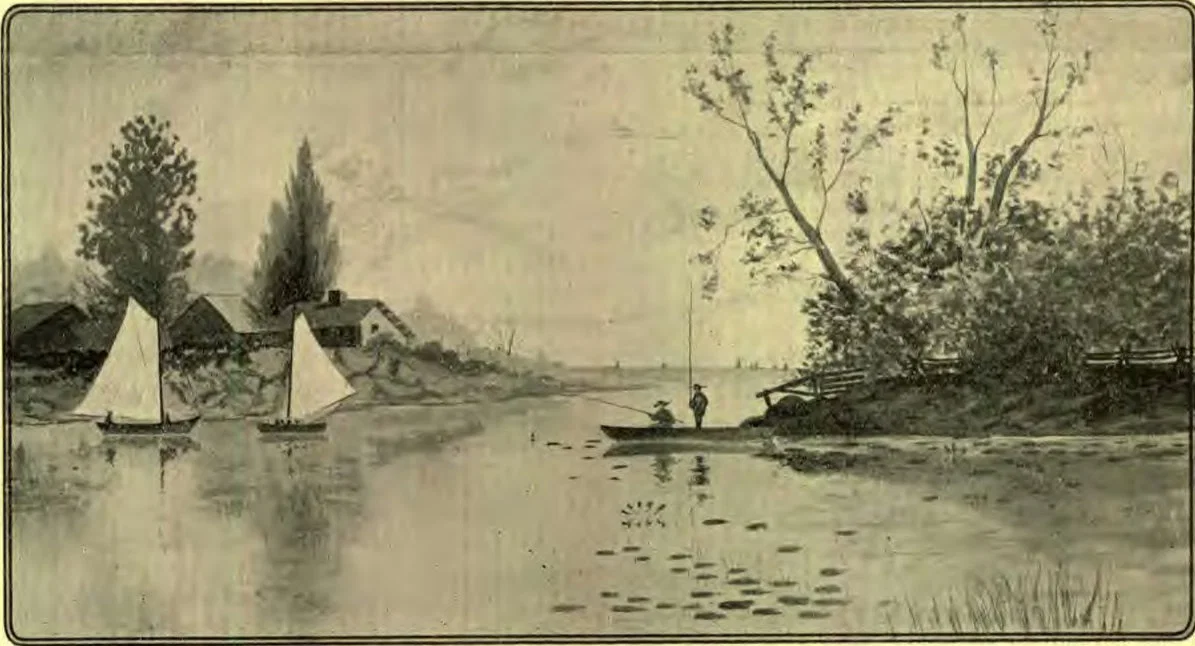
SPRING IS COMING; THE HERALDS EACH DAY ANNOUNCE IT
Some see the trees putting forth their leaves, and know that summer is nigh at hand; even so may they know when the signs have been given that other and greater events are about to take place. But some who are adepts in reading nature’s signs, seem unable or unwilling to read others that are just as plain, and far more important. Some who could read the face of the sky were rebuked by the Master for not being able to discern the signs of the times.
The power to observe and understand which the study of nature develops ought to increase one’s power to discern the indications of God’s advancing providences. L. A. REED.