2 Peter 2:15
Which have forsaken the right way, and are gone astray, following the way of Balaam the son of Bosor, who loved the wages of unrighteousness;
Translations
American King James Version, King James Version
Which have forsaken the right way, and are gone astray, following the way of Balaam the son of Bosor, who loved the wages of unrighteousness;
which have forsaken the right way, and are gone astray, following the way of Balaam the son of Bosor, who loved the wages of unrighteousness;
Who have forsaken the right way, and gone astray, following the way of Balaam the son of Bosor, who loved the wages of unrighteousness;
Revised Version, American Standard Version
forsaking the right way, they went astray, having followed the way of Balaam the son of Beor, who loved the hire of wrong-doing;
having forsaken a right way, they did go astray, having followed in the way of Balaam the [son] of Bosor, who a reward of unrighteousness did love,
having left [ the] straight way they have gone astray, having followed in the path of Balaam [ the son] of Bosor, who loved [ the] reward of unrighteousness;
Forsaking a straight path, they have gone astray, following out the way of Balaam [son] of Beor, who loved, a reward of wrong,
They have left the straight way and wandered off to follow the way of Balaam son of Beor, who loved the wages of wickedness.
They have left the straight way and wandered off to follow the way of Balaam son of Bosor, who loved the wages of wickedness.
Forsaking the right way, they went astray, having followed the way of Balaam the son of Beor, who loved the wages of wrongdoing;
Turning out of the true way, they have gone wandering in error, after the way of Balaam, the son of Beor, who was pleased to take payment for wrongdoing;
Which forsaking the right way, haue gone astray, folowing the way of Balaam, the sonne of Bosor, which loued the wages of vnrighteousnes.
Douay-Rheims (Challoner revision)
Leaving the right way they have gone astray, having followed the way of Balaam of Bosor, who loved the wages of iniquity,
Pictures



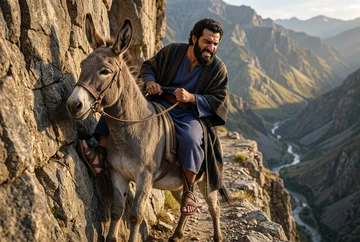
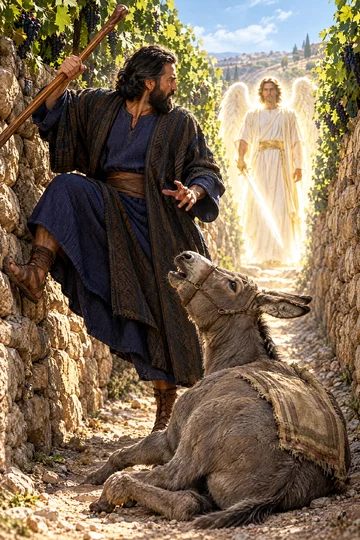
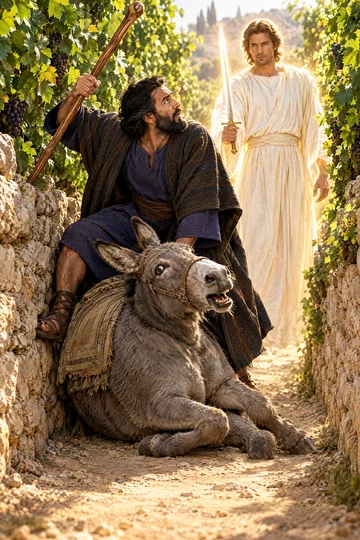
Cross-references 20 of 27
- Numbers 22:12-21
And God said unto Balaam, Thou shalt not go with them; thou shalt not curse the people: for they are blessed.
Balaam knew God forbade him to go, but reopened the matter when promised reward.
- Jude 1:11
Woe unto them! for they have gone in the way of Cain, and ran greedily after the error of Balaam for reward, and perished in the gainsaying of Core.
Jude parallels Peter’s warning about Balaam and corrupt teachers.
- Numbers 22:7
And the elders of Moab and the elders of Midian departed with the rewards of divination in their hand; and they came unto Balaam, and spake unto him the words of Balak.
Balak’s messengers bring Balaam rewards to hire him to curse Israel.
- Numbers 22:18
And Balaam answered and said unto the servants of Balak, If Balak would give me his house full of silver and gold, I cannot go beyond the word of the LORD my God, to do less or more.
Balaam says even great wealth cannot turn him from God’s word, exposing his love of reward.
- Numbers 31:16
Behold, these caused the children of Israel, through the counsel of Balaam, to commit trespass against the LORD in the matter of Peor, and there was a plague among the congregation of the LORD.
Balaam’s counsel led Israel into sin.
- Revelation 2:14
But I have a few things against thee, because thou hast there them that hold the doctrine of Balaam, who taught Balac to cast a stumblingblock before the children of Israel, to eat things sacrificed unto idols, and to commit fornication.
Balaam’s teaching led Israel into idolatry and sin.
- 2 Peter 2:1-2
But there were false prophets also among the people, even as there shall be false teachers among you, who privily shall bring in damnable heresies, even denying the Lord that bought them, and bring upon themselves swift destruction.
False teachers introduce destructive teachings, and many follow their pernicious ways.
- Numbers 31:8
And they slew the kings of Midian, beside the rest of them that were slain; namely, Evi, and Rekem, and Zur, and Hur, and Reba, five kings of Midian: Balaam also the son of Beor they slew with the sword.
Balaam is killed during Israel’s campaign against Midian.
- Numbers 22:22
And God’s anger was kindled because he went: and the angel of the LORD stood in the way for an adversary against him. Now he was riding upon his ass, and his two servants were with him.
Balaam goes with the messengers, and the Lord’s anger is kindled against him.
- Numbers 23:10
Who can count the dust of Jacob, and the number of the fourth part of Israel? Let me die the death of the righteous, and let my last end be like his!
Balaam wished to die among the righteous while pursuing unrighteous gain.
- Numbers 24:15-25
And he took up his parable, and said, Balaam the son of Beor hath said, and the man whose eyes are open hath said:
Balaam’s prophecies are part of his history as a prophet.
- Numbers 22:31-32
Then the LORD opened the eyes of Balaam, and he saw the angel of the LORD standing in the way, and his sword drawn in his hand: and he bowed down his head, and fell flat on his face.
The angel confronts Balaam and declares his way perverse.
- Joshua 13:22
Balaam also the son of Beor, the soothsayer, did the children of Israel slay with the sword among them that were slain by them.
Balaam is identified as a soothsayer and his death is recorded.
- Numbers 25:1-3
And Israel abode in Shittim, and the people began to commit whoredom with the daughters of Moab.
Balaam’s later scheme leads Israel into sin with Moab.
- Jude 1:4
For there are certain men crept in unawares, who were before of old ordained to this condemnation, ungodly men, turning the grace of our God into lasciviousness, and denying the only Lord God, and our Lord Jesus Christ.
Both warn of ungodly men who lead others away from the truth.
- Numbers 22:5-6
He sent messengers therefore unto Balaam the son of Beor to Pethor, which is by the river of the land of the children of his people, to call him, saying, Behold, there is a people come out from Egypt: behold, they cover the face of the earth, and they abide over against me:
Balak summons Balaam to curse Israel, setting the scene for Balaam’s unrighteous reward.
- Romans 6:23
For the wages of sin is death; but the gift of God is eternal life through Jesus Christ our Lord.
Both connect wrongdoing with its wages and resulting death.
- 2 Peter 2:3
And through covetousness shall they with feigned words make merchandise of you: whose judgment now of a long time lingereth not, and their damnation slumbereth not.
Covetous false teachers make merchandise, like Balaam seeking unrighteous wages.
- Numbers 22:19-20
Now therefore, I pray you, tarry ye also here this night, that I may know what the LORD will say unto me more.
Balaam asks again, and God permits him to go.
- Numbers 22:28-30
And the LORD opened the mouth of the ass, and she said unto Balaam, What have I done unto thee, that thou hast smitten me these three times?
The ass speaks to Balaam after the Lord opens its mouth.
Commentary
Each commentary is drawn from primary sources: the writings of Ellen G. White and Adventist pioneers and periodicals. Each commentary is separate. Its own words are not a quotation; follow the references to read the source passages.
Ellen G. White
19 sources
To forsake the right way and follow the way of Balaam is to turn from known light and duty to pursue unjust gain through covetousness, which is idolatry.PP 439.5ST Nov 18, 1880ST Nov 18, 18801SP 320.1 Balaam had stood as a prophet of God who knew Israel was protected and could not be cursed, yet pride and desire for Balak's gifts and honor led him to accept the bribe and try to serve both God and His enemies.ST Nov 18, 1880ST Dec 16, 1880SG4 43.2–45.1 Loving the wages of unrighteousness was his deliberate choice to cling to what Moab offered instead of breaking with it at once and returning to God in deep repentance, and when the Spirit's restraint lifted his unchecked covetousness drove him to counsel Moab to seduce Israel into fornication and idolatry.PP 448.11SP 326.2 The same forsaking is seen in professed believers and teachers before the Lord's coming who claim light and truth while practicing licentiousness, adultery, and greed, exploiting unstable souls with deceptive words and bringing reproach on the way of truth.Lt 26d, 1887, par. 7–10Ms 9, 1880, par. 37–425T 144.3–145.2 Knowledge of divine things and a place in God's work give no security apart from dependence on the Redeemer, for one cherished sin indulged until it rules the life will lead away from integrity, and trading obedience for worldly gain, Sabbath-breaking for advantage, or dishonest business for profit ends in loss, judgment, and the misery that follows sin.Ms 113, 1899, par. 1–3Ms 57, 1900, par. 15–16Ms 113, 1899, par. 4–7PP 439.5ST Dec 16, 1880
Balaam's Way Explained
Balaam had stood in the right way as a good man and a prophet of God, with light given him about Israel and about his own duty.ST Nov 18, 1880PP 448.11SP 320.1 The right way for him was to break at once with Moab, to stop presuming on mercy, and to return to God with deep repentance, so that his expressed wish to die the death of the righteous would come true.PP 448.1 Instead, his love of the reward for wrongdoing was a deliberate determination to hold on to what Moab offered.PP 448.1
To love the wages of unrighteousness is to cherish unjust gain through covetousness, which is idolatry.PP 439.5ST Nov 18, 1880 Though he professed to serve the Most High as Master, feared God's power, and claimed to be His prophet, he became double-minded and a time-server, seeking honor and gain from the Lord's enemies and trying to please both God and people.PP 439.5ST Nov 18, 1880SG4 43.2–45.11SP 320.1 He knew that God protected Israel and that his curse could not harm them, yet pride and the promised gifts led him to accept the bribe and to try to make his course agree with Balak's purpose.ST Nov 18, 1880 Though God gave him sacred messages and opportunities to turn back, he chose the wages over God's favor, clung to avarice and presumption, rejected mercy, and joined God's enemies in pursuing a course God had forbidden.ST Dec 16, 1880SG4 43.2–45.1
His covetousness for the reward and promotion to honor offered by Balak was not overcome but only held in check while the controlling influence of God's Spirit was upon him.1SP 326.2 After he returned to his place and the Spirit left him, covetousness prevailed until he was willing to resort to any means to obtain what he desired.1SP 326.2 Knowing that Israel's prosperity depended on observance of God's law and that there was no way to bring a curse upon them except by seducing them to transgression, he decided to secure Balak's reward by advising the Moabites how to bring the curse upon Israel.1SP 326.2 He counseled an idolatrous feast with music to attract the Israelites, then using the most beautiful Midianitish women to entice them to corrupt themselves, to transgress God's law, to sacrifice to idols, and to commit fornication and idolatry.1SP 326.2 The counsel succeeded because many Israelites regarded him as a prophet of God and were persuaded to join and mix with that idolatrous people.1SP 326.2
A cherished sin grows through repetition until it rules the life and leads away from integrity and God's service.PP 439.5ST Nov 18, 1880 Through that one fault of covetousness Satan gained entire control over him and caused his ruin.PP 439.5
Apostasy Before Christ's Coming
The description in 2 Peter 2-3 is of men who caused much trouble in the early church by holding opinions they refused to give up, thinking their judgment infallible, and bringing in strange things, pleasing sophistries, and theories that injure the Lord's work, and similar conditions must be met today, so all must be on guard against them.Lt 48, 1910, par. 13–15 It is a picture of the state of things prior to the coming of the Lord and a sign of the soon coming of Jesus Christ, seen in professed believers, reformers, and teachers who claim light, knowledge, and love of the truth while practicing licentiousness, adultery, and covetousness.Lt 26d, 1887, par. 7–10Ms 9, 1880, par. 37–42 The right way they forsake is sanctification and honor in possessing the vessel and abstaining from lust, which they leave for gain gotten by beguiling unstable souls and making merchandise of followers with feigned words.Ms 9, 1880, par. 37–42
Inside the professed truth these false teachers do not love the truth but take pleasure in unrighteousness, holding the strong delusion that licentiousness and adultery do not displease God.Lt 26d, 1887, par. 7–105T 144.3–145.2 Though professing to know God and believe the truth, even claiming to teach God's law and standing as watchmen upon the walls of Zion, they deny Him by breaking that law and by abominable, disobedient, reprobate works, so that the way of truth is evil spoken of and reproach is brought upon it.Lt 26d, 1887, par. 7–105T 144.3–145.2 Through covetousness they use deceptive words to exploit people, counting daytime rioting as pleasure and feasting with believers as spots and blemishes while reveling in deceit, with eyes full of adultery unable to stop sinning, trapping unstable souls with hearts trained in greed, low and vile in thought and common in talk and deportment, practicing iniquity and wantonness while claiming to believe the truth.Lt 26d, 1887, par. 7–10Ms 9, 1880, par. 37–425T 144.3–145.2 Their condition comes because they hold truth apart from life, with a Christian profession without practicing the truth and without a real living Christian principle having controlling power upon conduct and character, leaving them with no moral power to resist temptation.Lt 26d, 1887, par. 7–10
They are cursed children, spots and blemishes, wells without water, promising liberty while themselves servants of corruption, and their judgment does not linger and their damnation does not slumber, but the mist of darkness is reserved for them forever.Ms 9, 1880, par. 37–42 The wages of unrighteousness also describe the misery and suffering that follow sin, under whose accumulated consequences the earth and many innocent people suffer.Ms 9, 1880, par. 37–421T 362.1–363.1 People can forsake the right way and follow Balaam's example, loving the reward of wrongdoing, and their former standing on the right way does not make them secure from turning aside.Ms 57, 1900, par. 15–16ST Dec 16, 1880 Knowledge of divine things and an important place in God's work do not keep a person from being overcome unless they depend on their Redeemer.Ms 57, 1900, par. 15–16ST Dec 16, 1880
Choosing Gain Over Obedience
To forsake the right way and follow Balaam is to trade obedience to God for worldly gain, loving the wages of unrighteousness by going astray after unrighteous reward.Ms 113, 1899, par. 1–3PP 439.5Ms 113, 1899 The tempter works to draw men away from serving God by holding out worldly gain and honor, urging that over-conscientiousness stands in the way of prosperity and pressing them to leave the path of strict integrity.PP 439.5 Once that path is left, one wrong step makes the next easier, until those controlled by greed and hunger for power will do and dare terrible things.PP 439.5
Knowing the claims of the Sabbath yet dishonoring it in pursuit of wealth or advantage is following Balaam's way.Ms 113, 1899, par. 1–3Ms 113, 1899, par. 4–7 To refuse the Sabbath after knowing its claims dishonors the Creator and barters away the highest interests of the soul for worldly advantage.Ms 113, 1899, par. 4–7 The gain so expected ends in loss, with punishment and accountability to God for those who dishonor Him to obtain it.Ms 113, 1899, par. 1–3Ms 113, 1899, par. 4–7
The same forsaking reaches anyone in business who abandons principle or acts dishonestly for profit, for such gain gotten through unrighteousness dishonors God and brings accountability to Him.Ms 113, 1899, par. 8 It also reaches people in official positions who seek unjust reward and boast of their power, loving gain obtained through unrighteousness after abandoning the right way.Lt 52, 1906, par. 40–41 Against such wrongdoing God's people are to pray, trusting the supreme authority of their heavenly Governor.Lt 52, 1906, par. 40–41
Those who suppose they can set aside integrity for a time to secure worldly advantage and then turn back at will entangle themselves in Satan's snare.PP 439.5 From that snare they seldom escape.PP 439.5
Sources
Pioneers and periodicals
45 sources
Forsaking the right way and going astray means following Balaam's example of loving the reward of wrongdoing, with covetous practices marking those who turn aside until they are rebuked as Balaam was when his donkey spoke.ST Apr 15, 1913ST Mar 30, 1904 Balaam had been a prophet of the Lord, but desire for this world's honor and riches led him to fall away and become a diviner like the heathen, join God's enemies in opposition to Israel, and at last be killed in battle.ST Nov 18, 1880ST Jan 15, 1902ST Those who leave the right path prove that truly converted people can apostatize, for they had escaped the pollutions of the world through the knowledge of Christ and had known the way of righteousness, yet becoming entangled again their latter end is worse than the beginning.RH Mar 13, 1879RH May 13, 1875 His inward love of honor and gain was the root of his fall, for when an evil inclination is allowed to grow it persuades the understanding and draws the will toward the wrongful act, so sin must be resisted at its inward source before desire matures.ST Aug 18, 1887ST Mar 31, 1881ST May 22, 1884 Loving the wages of unrighteousness is seeking gain through wrongdoing, including money taken from the poor, income from the liquor trade, and rent from places used to ensnare souls, and such ill-gotten wealth brings a curse and will shut its lovers out of the New Jerusalem in the final judgment.ST Nov 2, 1882ST Nov 2, 1882ST Aug 20, 1902
Words and Immediate Context
The verse belongs to an inspired chapter whose warnings and teaching apply in the present day and are useful for doctrine, reproof, correction, and instruction in righteousness.RH Sep 30, 1852 Those who forsake the right way and go astray follow the example of Balaam, who loved the reward of unrighteousness.ST Apr 15, 1913 The surrounding verses connect that example with covetous practices and with Balaam's rebuke, when his donkey spoke and restrained his madness.ST Apr 15, 1913 The passage alludes to Balaam's donkey speaking with a human voice, directing readers to the Old Testament record of that event.ST Mar 30, 1904
The verse stands in a warning that false teachers will be among God's people just as there were false prophets of old. Peter points to the world before the Flood and to Sodom as a living picture of mankind's condition generally at the coming of the Son of man. That setting forth of past judgments declares the dangers to God's people and the duties of watching and readiness by which they are to guard against them. The verse was cited as an apostolic warning that apostasy in the church had already begun, with people turning from the right way and following error.RH Mar 18, 1862ST Feb 1, 1883 The chapter proves that false teachers arose in the church immediately after the apostles, showing the early decline from the general purity of the apostolic churches and that the great Romish apostasy began before the death of Paul, so the age immediately after the apostles was marked by false teachers and great apostasy and is unworthy to be used as authority for changing the institutions of the Bible.RH Dec 23, 1873
Balaam's History and Fall
Balaam had been a prophet of the Lord, but desire for this world's honor and riches led him to forsake the right way and go astray and fall away.ST Jan 15, 1902ST He turned from being a prophet to become a soothsayer or diviner like the heathen, joined the Midianites in opposition to Israel, and was eventually killed in battle.ST Jan 15, 1902ST The secret of his intense desire to comply with Balak's request was greed for reward and love of gain for what he would be paid.ST Jun 10, 1889 Although he gave true prophecies, he forsook the right way and loved the reward of wrongdoing, showing that prophetic gifts can exist without love.ST May 11, 1904
His desire for the riches and honor Balak offered led him to seek a different word from God instead of obeying the command he had already received.ST Oct 7, 1875 His journey ended in loss of God's favor and disgrace, showing the danger of letting selfish desire shape one's response to God's word.ST Oct 7, 1875 Hired by a king to curse Israel, he claimed he would speak only what God gave him yet yielded for hire because he wanted payment for wrongdoing.RH Nov 4, 1873 He wanted both to tell the truth by blessing what God blessed and to have the money, but God restrained him by making a dumb beast rebuke him and by turning his intended curse into blessing.RH Nov 4, 1873 In the end he perished in seeking the gain, dying as the fool dies, never receiving his pay nor seeing his home in peace.RH Nov 4, 1873
He forsook the right way because he loved the reward offered for cursing Israel, and his desire for wages, promotion, and honor blinded him to the danger before him.ST Mar 8, 1905 His selfish pursuit was sin, and the curse he meant for Israel returned upon himself.ST Mar 8, 1905 Although he had been a good man and prophet of God who still professed to serve the Most High, he forsook the right way through covetousness and sought favor with the Lord's enemies.ST Nov 18, 1880 He knew God protected Israel and that his curse could not harm them, yet pride and the promised gifts led him to accept the bribe and try to make his course agree with Balak's purpose.ST Nov 18, 1880 He forsook the right way by choosing the wages of unrighteousness over God's favor, and though God had given him sacred messages and opportunities to turn back, he clung to avarice and presumption, rejected mercy, and joined God's enemies.ST Dec 16, 1880 Knowledge of divine things and an important place in God's work do not keep a person from being overcome unless they depend on their Redeemer.ST Dec 16, 1880
Covetousness, which God ranks with idolatry, took control of him and made him serve worldly gain rather than God though he professed God as his master.ST Nov 18, 1880 A cherished sin grows through repetition until it rules the life and leads people away from integrity and God's service.ST Nov 18, 1880 Despite having heard God's words and received prophetic visions, his desire for worldly gain revealed the motives of his heart and led him step by step away from righteousness until Balaam the soothsayer aptly described him.RH Nov 3, 1868 Past spiritual experiences do not excuse unfaithfulness, and turning from rectitude can bring disastrous loss of God's favor.RH Nov 3, 1868 He forsook the right way and went astray because he loved the wages of unrighteousness, being determined to curse Israel to get a reward and allowing himself to be bribed to turn from the service of the true and living God.ST May 5, 1914 Those upon whom God has pronounced blessing cannot be cursed by powers that rise against them, for if God blesses no curse can rest upon them.ST May 5, 1914
He was covetous and sinful, hired by Balak to curse Israel for money, and loved the wages of unrighteousness.RH Nov 17, 1868 Though compelled by God to bless Israel and foretell the coming Messiah, he was slain while fighting against Israel and is identified as an ungodly man whose fate illustrates the judgment awaiting those who seek the reward of sin.RH Nov 17, 1868 Unable to curse Israel, he sought the reward by advising Balak to draw Israel into Moabite feasts. Israel mingled with the Moabites, fell into sexual immorality and idol worship, and brought God's anger upon themselves so that a plague killed twenty-four thousand, showing the danger of abandoning God's appointed place and path for worldly gain. For love of unrighteous gain he taught Balak to entice Israel into idolatry and sexual sin when he could not defeat them openly, leading Israel to join in the worship of Baal-peor and mingle with the heathen.ST Dec 25, 1893 This is applied to the corruption of Christianity through its union with paganism as the church mixing with the world and becoming apostate.ST Dec 25, 1893
He abandoned the right way because he loved the reward he could gain from wrongdoing, and his desire for his king's honors and gold makes him an example of greedy apostasy like Judas who would sell faith for money.RH Mar 9, 1869 Though God had expressly forbidden him to go with Balak's messengers he persisted in receiving them, and his later efforts to curse God's people ended in failure and disgrace.RH Mar 9, 1869 He had turned from the right way and loved the rewards of wrongdoing, wanting the magnificent rewards and worldly honor Balak offered and being willing to curse Israel for them.RH Mar 9, 1869ST Apr 30, 1902
False Teachers and Apostasy
False teachers have forsaken the right way and gone astray, and they arise inside the church where a respected religious profession hides their true character and lets them mislead others, with covetousness and wicked conduct marking their course. They had once been in the right way, having escaped the pollutions of the world through the knowledge of the Lord and Saviour Jesus Christ and having known the way of righteousness and the holy commandment delivered to them, yet they turned from it.RH Mar 13, 1879RH May 13, 1875 As angels also kept not their first estate, their fall proves that truly converted persons who were bought by the Lord can apostatize and become again entangled and overcome.RH Mar 13, 1879RH May 13, 1875 For such the latter end is worse than the beginning, so that it had been better never to have known the right way than to know it and turn from it, like a dog turned to its own vomit again and a sow that was washed to her wallowing in the mire, leaving them under judgment.RH Mar 13, 1879RH May 13, 1875
To leave the right way is to turn from the holy commandment by adding human tradition to God's law, changing God's law, and setting commandments of men beside the commandments of God.ST Jan 9, 1893 The bishops of the Roman Catholic Church did this, causing the way of truth to be evil spoken of, and many Protestants continue in the same traditions and commandments of men.ST Jan 9, 1893 The verse describes more minutely for those living before Christ's second coming who desire to return to the pure gospel the wicked work of false prophets and false teachers who arise with Satan to overthrow the pure simple gospel of obedience to God's commandments and faith in Jesus and to hide its light.ST Jan 9, 1893 They belong to the falling away, coming as grievous wolves entering the church from within, forsaking the right way and going astray.ST Jan 9, 1893
Those who leave the right way and follow selfish desire turn toward ruin, with Balaam as the example of one who loved the reward of wrongdoing, and the verse stands among warnings against turning from plain truth to deceptive teaching and prideful self-will.RH Mar 15, 1906 False teachers forsake the right way and go astray loving the gain that comes from unrighteousness, and their departure from truth with corrupt conduct marks evil in the latter times rather than a world turning to righteousness.RH Mar 19, 1867ST Aug 7, 1901 Their course of loving unrighteous gain warns that the church faces apostasy and must guard against worldliness and heresy.ST Aug 7, 1901
Those who abandoned the right way are likened to Balaam who loved the reward of wrongdoing, and this was fulfilled in the Pergamos period from Constantine's accession until the development of the papal beast in A.D. 538, when church leaders pursued worldly policy and sought converts by blending pagan and Christian religion instead of holding the gospel's plain truths, with increased church membership and revenue appearing as the chief aims.RH Mar 26, 1857 False teachers still abandon the right path and follow Balaam's example of loving profit gained through wrongdoing, which marks church leaders who promote false teachings and use deception and coercion for their own advantage.RH Jan 29, 1857
Inner Temptation and Covetousness
Balaam's love of unrighteous gain was a chief characteristic and the chief mark and cause behind his fall, the inward inclination that helped lead him away from the right way toward wrongdoing.ST Aug 18, 1887ST May 22, 1884ST May 22, 1884RH May 3, 1870 He went astray because he loved the honor and gain he hoped to secure, called the wages of unrighteousness and the reward of wrongdoing, and he parleyed with temptation because he wanted that reward.ST Mar 31, 1881ST May 22, 1884RH May 3, 1870 That unchecked inward desire for honor and gain took hold of the mind and will and in the end shaped his actions into a guilty act.ST Aug 18, 1887ST May 22, 1884RH May 3, 1870 When an evil inclination is allowed to grow it persuades the understanding and draws the will toward the wrongful act, for evil actions grow from inward motives, so sinful actions must be resisted at their inward source by suppressing the desire before it matures.ST Mar 31, 1881ST May 22, 1884
He forsook the right way because he loved the reward of unrighteousness more than his duty to God and more than obedience to God.ST May 22, 1884ST May 22, 1884RH May 3, 1870 Though God had expressly forbidden him to go with the Moabite messengers and with the first messengers, he reopened the settled question when offered greater bribes and honors and when a second delegation came.ST May 22, 1884ST Mar 31, 1881ST May 22, 1884ST Aug 18, 1887 He reconsidered his duty and sought a way to obtain the reward while appearing to remain faithful and dutiful and to honor God without disobeying.ST May 22, 1884ST Mar 31, 1881ST May 22, 1884ST Aug 18, 1887 His willingness to bargain with what he knew was wrong and to entertain that unlawful course is how yielding to temptation begins, when desire leads someone to bargain with a known duty, and coveting unrighteous gain in that way leads a person away from duty into a disastrous course.ST May 22, 1884ST Mar 31, 1881RH May 3, 1870 God let him follow his chosen course and gave him over to his own way, with disastrous results.ST Mar 31, 1881ST May 22, 1884
Warnings and Present Application
The wages of unrighteousness are gains bound up with a wrong way of life and deserving of a curse.ST Nov 2, 1882 Money gotten by ungodly or sinful means is not to be kept as if it were clean, and believers are to seek God's help that none of their possessions carry that curse.ST Nov 2, 1882 Loving those wages is seeking gain through wrongdoing, such as money taken from the poor and needy, income from the liquor trade, rent from places used to ensnare people, and other gains stained by sin.ST Nov 2, 1882 Such ill-gotten wealth brings a curse upon its owners and can ensnare their children, with judgment awaiting the ungodly, and to abandon the right way and follow Balaam is to choose that unrighteous gain over what is right, as seen when a saloonkeeper deliberately pursues profit from a trade that ruins others.ST Nov 2, 1882ST May 15, 1884
Those who forsake the right way and follow unrighteousness love its wages, and in the final judgment they are shut out of the New Jerusalem though they might have dwelt safely within it.ST Aug 20, 1902 Loving the wages of unrighteousness is forsaking the right way and going astray after the manner of Balaam and the wicked of old. The Bible's faithful record of the past was given so that people will not covet that reward and fall as those of old fell, including Noah's warning voice to the careless multitude, the shutting in of Noah and his believing household with God in the ark, and the Flood that brought the merited fruitage for the seed-sowing of sin and stubbornness. With a more awful catastrophe now at the threshold, that warning calls people to heed God's counsel and flee the wrath to come rather than mock mercy and refuse to prepare.
Sources