2 Samuel 20:18
Then she spake, saying, They were wont to speak in old time, saying, They shall surely ask counsel at Abel: and so they ended the matter.
Translations
Then she spoke, saying, They were wont to speak in old time, saying, They shall surely ask counsel at Abel: and so they ended the matter.
King James Version, KJV Cambridge Paragraph Bible, American Standard Version
Then she spake, saying, They were wont to speak in old time, saying, They shall surely ask counsel at Abel: and so they ended the matter.
Then she spoke, saying, They were wont to speak in old time, saying, They will surely ask counsel at Abel: and so they ended the matter.
Then she spake, saying, they were wont to speak in old time, saying, They shall surely ask counsel at Abel: and so they ended the matter.
and she speaketh, saying, 'They spake often in former times, saying, Let them diligently ask at Abel, and so they finished.
And she spoke saying, They were wont to speak in old time saying, Just inquire in Abel; and so they ended.
Then spake she, saying,—They, used to speak, in former times, saying, Enquire, in Abel! And, so, they ended it.
Berean Standard Bible, Majority Standard Bible
Then the woman said, “Long ago they used to say, ‘Seek counsel at Abel,’ and that is how disputes were settled.
Then she spoke, saying, “ They used to say in old times, ‘ They shall surely ask counsel at Abel,’ and so they settled a matter.
Then she said, In the old days, there was a saying, Let them put the question in Abel and in Dan, saying, Has what was ordered by men of good faith in Israel ever come to an end?
Then shee spake thus, They spake in the olde time, saying, They shoulde aske of Abel. and so haue they continued.
Douay-Rheims (Challoner revision)
And she again said: A saying was used in the old proverb: They that inquire, let them inquire in Abela: and so they made an end.
Pictures
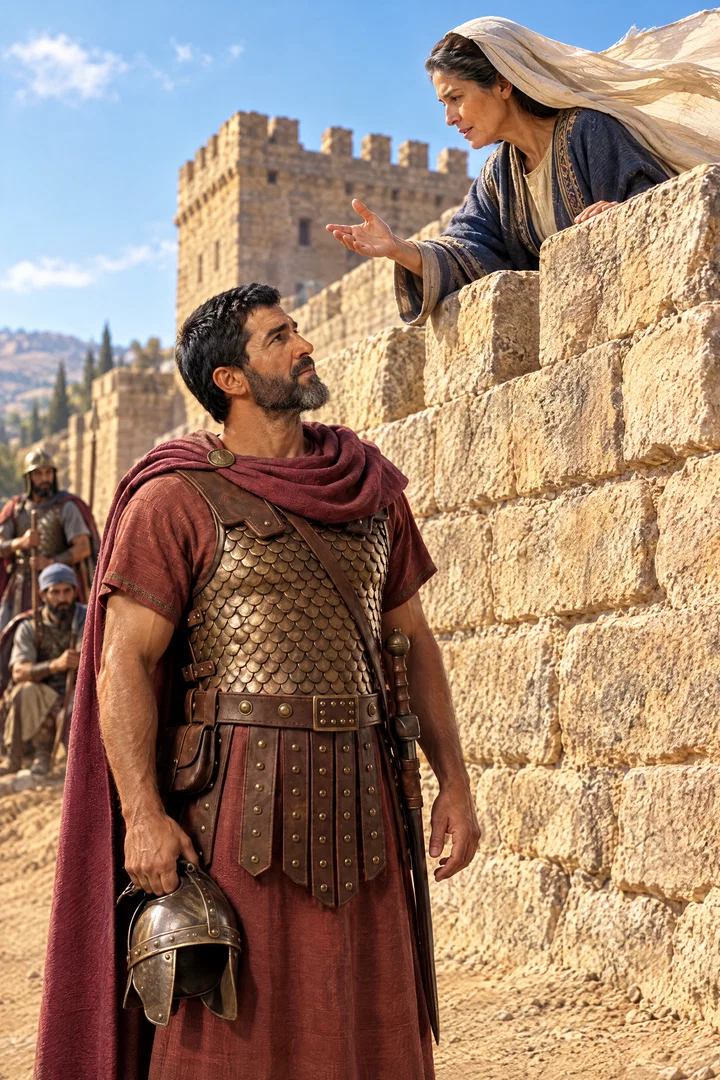
Commentary
Each commentary is drawn from primary sources: the writings of Ellen G. White and Adventist pioneers and periodicals. Each commentary is separate. Its own words are not a quotation; follow the references to read the source passages.
Pioneers and periodicals
5 sources
The verse stands in the account of the revolt of Sheba the son of Bichri, which broke out from the quarrel between the men of Judah and the men of Israel after the revolt of Absalom had been suppressed.RH Jul 27, 1869 That revolt threatened to prove a very serious thing, and it showed that the troubles of David were not yet ended.RH Jul 27, 1869 The saying in the verse means that Abel-Beth-maacah was renowned for wisdom, so that in former times people would seek counsel there and a matter could be settled through that counsel.ST Oct 7, 1897
The verse belongs to the closing history of the reign of David, with its difficulties and his troubles with Joab.ST May 6, 1913 That history is told with such detailed faithfulness as to mark the account as inspired and to show that God does not hide the sins of even the greatest kings.ST May 6, 1913 It is part of the account of David's later history, which records the judgments that followed his great transgression against Uriah and shows the fulfillment of Nathan's denunciation.RH Oct 12, 1869 It is also part of the account of troubles in David's family, which grew out of his taking many wives.ST Apr 29, 1908 That account illustrates that people cannot break God's laws without suffering, because transgression carries an inherent curse.ST Apr 29, 1908
Sources