Ezekiel 44:2
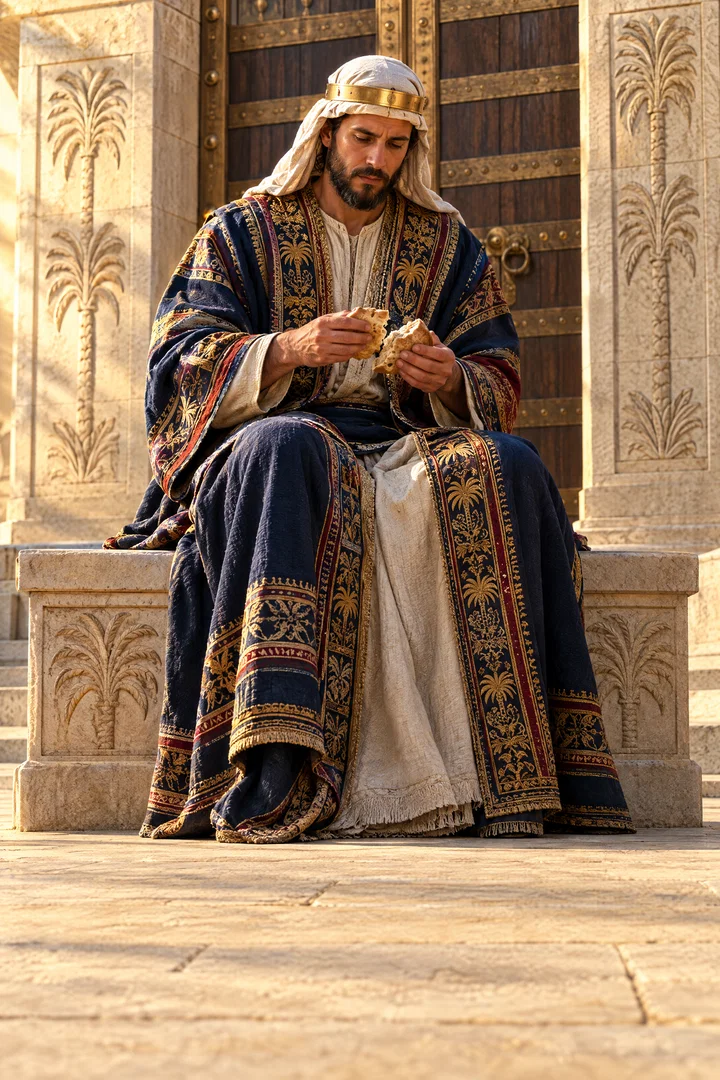
Then said the LORD unto me; This gate shall be shut, it shall not be opened, and no man shall enter in by it; because the LORD, the God of Israel, hath entered in by it, therefore it shall be shut.
Translations
Then said the LORD to me; This gate shall be shut, it shall not be opened, and no man shall enter in by it; because the LORD, the God of Israel, has entered in by it, therefore it shall be shut.
Then said the LORD unto me; This gate shall be shut, it shall not be opened, and no man shall enter in by it; because the LORD, the God of Israel, hath entered in by it, therefore it shall be shut.
Then said the Lord unto me; This gate shall be shut, it shall not be opened, and no man shall enter in by it; because the Lord, the God of Israel, hath entered in by it, therefore it shall be shut.
Then said the LORD to me; This gate shall be shut, it shall not be opened, and no man shall enter in by it; because the LORD the God of Israel hath entered in by it, therefore it shall be shut.
And the LORD said unto me, This gate shall be shut, it shall not be opened, neither shall any man enter in by it, for the LORD, the God of Israel, hath entered in by it; therefore it shall be shut.
And Jehovah said unto me, This gate shall be shut; it shall not be opened, neither shall any man enter in by it; for Jehovah, the God of Israel, hath entered in by it; therefore it shall be shut.
And Jehovah saith unto me, 'This gate is shut, it is not opened, and none doth go in by it, for Jehovah, God of Israel, hath come in by it, and it hath been shut.
And Jehovah said unto me, This gate shall be shut; it shall not be opened, and no one shall enter in by it: for Jehovah, the God of Israel, hath entered in by it; and it shall be shut.
Then said Yahweh unto me This gate shut, shall remain It shall not be opened And no man shall enter thereby, Because Yahweh, God of Israel, doth enter thereby,- Therefore shall it remain—shut.
Berean Standard Bible, Majority Standard Bible
And the LORD said to me, “ This gate is to remain shut. It shall not be opened, and no man shall enter through it, because the LORD, the God of Israel, has entered through it. Therefore it will remain shut.
The LORD said to me, “ This gate shall be shut. It shall not be opened, no man shall enter in by it; for the LORD, the God of Israel, has entered in by it. Therefore it shall be shut.
And the Lord said to me, This doorway is to be shut, it is not to be open, and no man is to go in by it, because the Lord, the God of Israel, has gone in by it; and it is to be shut.
Then saide the Lord vnto me, This gate shalbe shut, and shall not bee opened, and no man shall enter by it, because the Lord God of Israel hath entred by it, and it shalbe shut.
Douay-Rheims (Challoner revision)
And the Lord said to me: This gate shall be shut, it shall not be opened, and no man shall pass through it: because the Lord the God of Israel hath entered in by it, and it shall be shut
Pictures
Cross-references
- Ezekiel 43:9-11
Now let them put away their whoredom, and the carcases of their kings, far from me, and I will dwell in the midst of them for ever.
Israel must put away its iniquities and follow the sanctuary’s pattern for God to dwell among them.
- Ezekiel 40
In the five and twentieth year of our captivity, in the beginning of the year, in the tenth day of the month, in the fourteenth year after that the city was smitten, in the selfsame day the hand of the LORD was upon me, and brought me thither.
Begins Ezekiel’s temple vision, including the sanctuary and worship to which Ezekiel 44:2 belongs.
- Ezekiel 46:1
Thus saith the Lord GOD; The gate of the inner court that looketh toward the east shall be shut the six working days; but on the sabbath it shall be opened, and in the day of the new moon it shall be opened.
Both describe the east gate of the sanctuary and when it is opened or shut.
- Ezekiel 43:4
And the glory of the LORD came into the house by the way of the gate whose prospect is toward the east.
The LORD’s glory enters the temple through the east gate.
- Ezekiel 46:12
Now when the prince shall prepare a voluntary burnt offering or peace offerings voluntarily unto the LORD, one shall then open him the gate that looketh toward the east, and he shall prepare his burnt offering and his peace offerings, as he did on the sabbath day: then he shall go forth; and after his going forth one shall shut the gate.
same offer describes east gate worship
- Ezekiel 45
Moreover, when ye shall divide by lot the land for inheritance, ye shall offer an oblation unto the LORD, an holy portion of the land: the length shall be the length of five and twenty thousand reeds, and the breadth shall be ten thousand. This shall be holy in all the borders thereof round about.
Describes the sanctuary and worship within Ezekiel’s vision.
- Ezekiel 46:3
Likewise the people of the land shall worship at the door of this gate before the LORD in the sabbaths and in the new moons.
same offer alludes to the Sabbath
- Ezekiel 41
Afterward he brought me to the temple, and measured the posts, six cubits broad on the one side, and six cubits broad on the other side, which was the breadth of the tabernacle.
Describes the temple sanctuary in Ezekiel’s worship vision.
Commentary
Each commentary is drawn from primary sources: the writings of Ellen G. White and Adventist pioneers and periodicals. Each commentary is separate. Its own words are not a quotation; follow the references to read the source passages.
Ellen G. White
1 source
The gate is to remain shut, never to be opened, and no man is to enter in by it because the Lord, the God of Israel, has entered in by it.Ms 81, 1906, par. 35–38 Its shut condition marks it as set apart, reserved by that divine entry from common use.Ms 81, 1906, par. 35–38 The Lord retains the right to determine its use, and that right is to be upheld.Ms 81, 1906, par. 35–38 This asserts God's claim to His rights when people would use His gifts for their own advantage.Ms 81, 1906, par. 35–38
Sources
Pioneers and periodicals
28 sources
The east gate is to stay permanently shut and never be opened for common entry, because the Lord God of Israel has entered by it, leaving it reserved for the prince alone with his appointed service.ST Apr 20, 1915RH Nov 3, 1863ST Aug 2, 1910 The vision was shown to captive Israel as God's offer to bring them back after seventy years, rebuild city, sanctuary and glorious temple, return His glory among them, and give healing, life and peace in their own land.ST Mar 3, 1909ST Sep 21, 1915 All of this was conditional on their being ashamed of iniquity, putting away sin, and keeping God's ordinances, and had they met those conditions it would have been fulfilled literally in fullest detail.ST Aug 12, 1875RH Sep 11, 1856ST Feb 22, 1910ST Aug 2, 1905ST Apr 20, 1915 Because they continued in apostasy and did not repent, that temple as described was never built and never will be, and the house Zerubbabel erected was only a lesser shadow falling far short of the pattern.ST Feb 27, 1907ST Nov 24, 1909ST Dec 1, 1914 It belongs to the past Mosaic order, not to the gospel age after the cross nor to the future immortal state with its marriages, deaths, circumcision, clean and unclean meats, animal sacrifices and Levitical priesthood, and to renew those sacrifices would make Christ's once-for-all offering of no effect.ST Aug 12, 1875ST Oct 1, 1896RH Sep 11, 1856RH Jan 19, 1860RH Sep 4, 1856 In its spiritual aspect it stands as prophecy of greater things through Christ, to be fulfilled to the true Israel at His second coming in the full glory of the new heavens and new earth, where God's presence heals deserts, marshes and waters and gives absolute peace.ST Oct 21, 1908ST Mar 3, 1909ST Oct 26, 1904
Conditional Promise to Israel
The pattern of the city and sanctuary in Ezekiel 40-48 was made known while Israel was captive in Babylon, in B.C. 574, fourteen years after Jerusalem with its temple and sanctuary was destroyed in B.C. 588 in the eleventh year of Zedekiah, to show to the house of Israel what God offered them.RH Sep 11, 1856RH May 25, 1876 It was an offer made in captivity to restore Israel at the end of the seventy years in Babylon and bring them to their own land.ST Oct 26, 1904RH Jan 21, 1862 What was held out was possession of a very remarkable sanctuary and glorious temple rebuilt as the center of a restored Jerusalem, with a city given again under circumstances of wonderful glory, the return of God's glory to rest among them, a new division of the land, and the life and healing power of God coming down upon Palestine and the earth with healing life and peace.RH May 25, 1876ST Mar 3, 1909ST Sep 20, 1910RH Jan 21, 1862ST Sep 17, 1902 The same promise ran from Ezekiel 36 onward to include the raising of their righteous dead and the subjection of the kings of the North and of enemies far and near.ST Sep 20, 1910 In its full form it described a grand and magnificent temple which Israel might build at Jerusalem after return from captivity, a temple that would ultimately become a house of prayer for all nations.ST Sep 17, 1902
All of this was conditional, on condition that they be ashamed of their iniquities and put them away.ST Aug 12, 1875RH Sep 11, 1856ST Nov 24, 1909 The condition required putting away wickedness and lewdness, yielding fully to God, returning wholeheartedly from captivity, truly and fully repenting, reforming, keeping God's ordinances, and answering the calls to leave Babylon, as stated in Ezekiel 43:10-11 and on the principle of Jeremiah 18:7-10.RH Jan 19, 1860ST Oct 21, 1908ST Oct 26, 1904ST Sep 20, 1910 Had Israel met God's conditions of faith and obedience, the promises in fullest detail, including the details of the sanctuary, city, and land and the temple with its shut gate and its attendant sacrifices, would have been literally fulfilled.ST Feb 22, 1910ST Oct 26, 1904ST Aug 2, 1905 In that restored city God's glory would have rested among them as never before.ST Mar 3, 1909ST Apr 20, 1915
Because Israel according to the flesh did not yield, was not ashamed, did not truly repent or put away iniquities and lewdness, but continued in apostasy and departed from God's ordinances and was unwilling to return wholeheartedly, God did not then do all that was promised.RH Jan 19, 1860ST Feb 27, 1907ST Oct 21, 1908ST Nov 24, 1909ST Oct 26, 1904 The vision was meant to lead the people to recognize and turn from their iniquity, and its nonfulfillment was Israel's failure to do its part, not God's change of purpose.ST Feb 27, 1907RH Feb 7, 1907 Because Israel failed, the glorious temple Ezekiel described was never built and never will be built as described, and the rebuilding and indwelling did not happen then.ST Dec 1, 1914ST Sep 3, 1902ST Sep 20, 1910ST Aug 2, 1910 Only about forty thousand returned from Babylon, so the restoration brought only a small part of the promised glory and the promises were not realized in their fullness.ST Sep 21, 1915 The temple erected by Zerubbabel at the restoration was only a lesser shadow falling far short of the pattern, with only a shadow of its greatness, and it never saw the glory of Solomon's temple except in the person of Jesus Christ, whom its keepers rejected.ST Dec 1, 1914ST Sep 3, 1902ST Sep 20, 1910 That failure left four hundred silent years without prophet or inspired record.ST Aug 2, 1910
No Future Literal Temple
The temple of Ezekiel 40 to 48 belongs to the past Mosaic dispensation, not to the present gospel dispensation and not to the future immortal state, and it will never now be built literally.ST Aug 12, 1875RH May 25, 1876ST Sep 3, 1902ST May 16, 1911ST Aug 2, 1905 It was shown in B.C. 574, fourteen years after Jerusalem, the temple and the sanctuary were destroyed in B.C. 588 in the eleventh year of Zedekiah while Israel was captive in Babylon, as an offer of a very remarkable sanctuary and glorious temple for the center of a restored Jerusalem on condition of compliance, of faith and obedience, of becoming ashamed of sins and putting them away.ST Aug 12, 1875RH May 25, 1876ST May 16, 1911ST Aug 2, 1905 Because Israel did not meet those conditions and would not yield all to God, that temple described with its shut gate and its attendant sacrifices was never built and its literal fulfillment in fullest detail is now forever past, though God's purpose to redeem the true Israel and give a more glorious inheritance remains.ST Aug 12, 1875RH May 25, 1876ST Sep 3, 1902ST May 16, 1911ST Aug 2, 1905 The temple erected at the restoration from Babylon by Zerubbabel, entered by only about forty thousand, fell far short of the pattern and never saw the glory of Solomon's temple except in the person of Jesus Christ.ST Sep 3, 1902
It cannot describe the future immortal state, because it stands with a mortal prince who offers sin-offerings for himself, has sons, servants and power to give inheritance, and must cease exactions and not oppress or take the people's possessions.RH Sep 11, 1856RH Jan 19, 1860 It stands with marriages including priests marrying widows, divorces, disease and death, literal circumcision, distinction between clean and unclean meats, burnt-offerings and sin-offerings of bulls, goats, sheep and oxen, and the Levitical priesthood with Levites serving as priests, whereas the immortalized at the second advent do not marry and Christ could never offer a sin-offering for himself nor be denied the uttermost parts of the earth.ST Apr 8, 1889RH Sep 11, 1856RH Jan 19, 1860 It cannot describe the gospel dispensation, because circumcision, divorce, clean and unclean meats, animal sacrifices and the Levitical priesthood were abolished or superseded at the first advent and the cross by Christ's sacrifice and by Christ become priest forever in the order of Melchisedek, when Christ the great Sacrifice caused all others to cease.ST Apr 8, 1889RH Sep 11, 1856
Its thousands of sheep and oxen sacrifices and former sanctuary service cannot be renewed without making Christ's once-for-all offering of no effect, building again what was destroyed, returning from sunlight to shadow, and putting type after its fulfillment, since remission in the gospel precedes and does not follow sin.ST Oct 1, 1896RH Jan 19, 1860RH Sep 4, 1856ST Nov 24, 1909ST Aug 9, 1910 To do that sacrificial work again would require a second Messiah to expiate transgressions, so God will not ordain that temple again.ST Oct 1, 1896RH Sep 4, 1856ST Nov 24, 1909ST Aug 9, 1910ST Sep 20, 1910 It does not describe the New Jerusalem of Revelation and does not signify a future restoration of the Levitical sacrificial system or of the Jewish people, for similarity to John's vision does not prove identity and dissimilarities forbid it.RH Jan 19, 1860RH Sep 4, 1856 A literal earthly city with revived first-covenant ordinances after Christ comes to give an undeveloped class a chance for pardon during the thousand-year reign would be less glorious than the present dispensation, and is put in place of the heavenly Jerusalem coming down from God out of heaven.RH Jan 19, 1860RH Sep 4, 1856
Gate's Meaning and Hope
The east gate is permanently shut, it shall not be opened, and no man shall enter in by it, because the LORD, the God of Israel, has entered in by it.ST Apr 20, 1915RH Nov 3, 1863ST Aug 2, 1910 In the vision it belongs to the sanctuary and worship that would have accompanied Israel's promised restoration if the people had met God's conditions, without itself explaining the shut gate further.ST Apr 20, 1915 Within that temple-city vision from Ezekiel 40 onward the shut gate is reserved for the prince alone with his appointed services.ST Aug 2, 1910
The sanctuary was to be the place where God's manifest visible presence and Shekinah glory dwelt and made it holy.ST Aug 2, 1910ST Sep 3, 1902 Its great truth is taught in the name of the city, Jehovah is there.ST Sep 3, 1902ST Aug 2, 1910 That presence would heal all barren land, all salt marshes, and all impure waters, and would give life to all, with the life and healing power of God coming down upon Palestine and the earth as never before.ST Sep 3, 1902ST Sep 20, 1910 The temple was to be finer than Solomon's, cleansed of commercialism and unholiness, a house of prayer for all nations, with allusions to the Lord's Sabbath and Hebrew festivals.RH Jan 21, 1862ST Sep 17, 1902ST Aug 2, 1910 It was shown as the pattern of a glorious temple for the center of a restored Jerusalem, and as part of the offer made while the Hebrews were captive at Babylon to restore them to their own land and give them again a city and a temple under circumstances of wonderful glory.ST Sep 3, 1902RH Jan 21, 1862
The prophecy predicts the building of a greater temple but does not explain the circumstances or process by which that temple would have been built. The prince who alone uses that shut gate stands before Israel until the Prince, the Messiah, comes, and the sacrifices, oblations and priesthood around him show the vision applied to the time before Messiah came.ST Aug 2, 1910
In its spiritual aspect the unfulfilled vision of the conditional temple and its rites stands as prophecy and faint type of greater things the Lord would do for His people through Christ.ST Oct 21, 1908ST Sep 20, 1910 It was prepared for Israel after return from Babylon to restore them, rebuild the temple, raise their righteous dead, subdue the kings of the North and enemies far and near, divide the land anew, and let His glory rest among them, yet it is not fulfilled in every literal detail or in the local conditions of Ezekiel's time.ST Mar 3, 1909ST Sep 20, 1910 The promise will be fulfilled to the true Israel according to later revelations, with a greater fulfillment at Christ's second coming and in the events connected with it, and the future glory and fulness of the immortal inheritance coming to the faithful in fullest measure.ST Mar 3, 1909ST Oct 26, 1904 What failed for earthly Jerusalem will be grandly realized in the New City of God, in the new heavens and new earth and earth made new, when God restores by His mighty power with absolute peace over all nature, wild beasts made mild so infants are safe, and marshes, deserts and salt lands healed by the water of life.ST Aug 2, 1910ST Sep 20, 1910ST Aug 2, 1910
Sources