Ezra 8:25
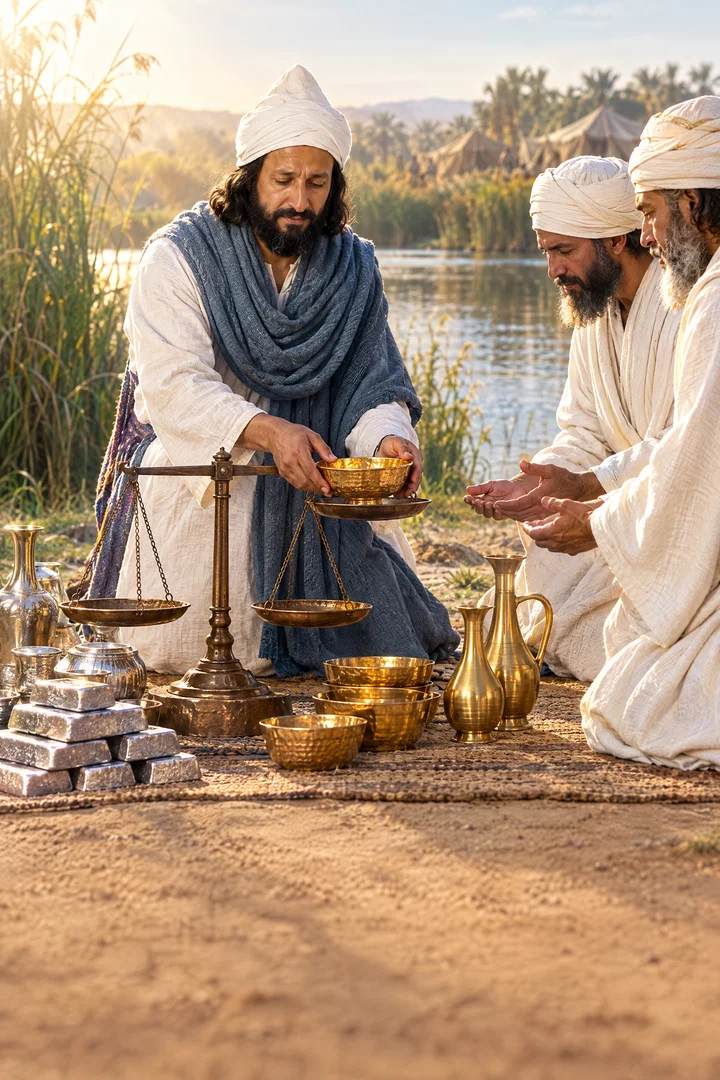
And weighed unto them the silver, and the gold, and the vessels, even the offering of the house of our God, which the king, and his counsellors, and his lords, and all Israel there present, had offered:
Translations
And weighed to them the silver, and the gold, and the vessels, even the offering of the house of our God, which the king, and his counsellors, and his lords, and all Israel there present, had offered:
And weighed unto them the silver, and the gold, and the vessels, even the offering of the house of our God, which the king, and his counsellors, and his lords, and all Israel there present, had offered:
and weighed unto them the silver, and the gold, and the vessels, even the offering of the house of our God, which the king, and his counsellers, and his lords, and all Israel there present, had offered:
And weighed to them the silver, and the gold, and the vessels, even the offering of the house of our God, which the king, and his counselors, and his lords, and all Israel there present, had offered:
Revised Version, American Standard Version
and weighed unto them the silver, and the gold, and the vessels, even the offering for the house of our God, which the king, and his counsellors, and his princes, and all Israel there present, had offered:
and I weigh to them the silver, and the gold, and the vessels, a heave-offering of the house of our God, that the king, and his counsellors, and his heads, and all Israel — those present — lifted up;
and I weighed to them the silver and the gold and the vessels, the heave-offering for the house of our God, which the king and his counsellors and his princes, and all Israel present, had offered.
and weighed unto them, the silver and the gold, and the utensils,—the heave-offering for the house of our God, which the king and his counselors and his rulers and all Israel who were present, had offered:
Berean Standard Bible, Majority Standard Bible
and I weighed out to them the contribution of silver and gold and the articles that the king, his counselors, his leaders, and all the Israelites there had offered for the house of our God.
and weighed to them the silver, the gold, and the vessels, even the offering for the house of our God, which the king, his counselors, his princes, and all Israel there present, had offered.
And gave to them by weight the silver and the gold and the vessels, all the offering for the house of our God which the king and his wise men and his captains and all Israel there present had given:
And weighed them the siluer and the gold, and the vessels, euen the offring of ye house of our God, which the King and his counselers, and his Princes, and all Israel that were present had offred.
Douay-Rheims (Challoner revision)
And I weighed unto them the silver and gold, and the vessels consecrated for the house of our God, which the king and his counsellors, and his princes, and all Israel, that were found had offered.
Pictures
Commentary
Each commentary is drawn from primary sources: the writings of Ellen G. White and Adventist pioneers and periodicals. Each commentary is separate. Its own words are not a quotation; follow the references to read the source passages.
Ellen G. White
1 source
The silver and the gold and the vessels were weighed out as the offering of the house of God, given by the king and his counselors and his lords and by all Israel present, and were entrusted to twelve of the chief priests for accountable safekeeping on the journey to Jerusalem.PK 616.2–617.1 Those twelve were men separated for the trust because their faithfulness and fidelity had been proved.PK 616.2–617.1 The weighing unto them made each portion definite and each steward answerable for what he received.PK 616.2–617.1
They were solemnly charged to act as vigilant stewards over the treasure entrusted to them.PK 616.2–617.1 They were instructed plainly regarding the responsibility resting upon them, to watch and keep it until it should be weighed again before the leaders at Jerusalem.PK 616.2–617.1 The blessing of God does not make prudence and forethought unnecessary, and reliance on His blessing does not replace clear responsibility and orderly organization in caring for sacred funds and goods.PK 616.2–617.1 The appointment of only proved, trustworthy men as treasurers of the Lord's goods shows the necessity and value of order and organization in connection with the work of God.PK 616.2–617.1
Sources
Pioneers and periodicals
9 sources
The silver and gold and vessels weighed out were the offering for the house of God, given by the king and his counselors and his lords or princes and officials, together with all Israel present, and placed in the hands of treasurers appointed to receive them.ST Oct 4, 1899RH Apr 9, 1908 They were entrusted to twelve chiefs of the priests, Sherebiah and Hashabiah and ten of their brethren, proven and faithful men chosen for accountable safekeeping and transport to Jerusalem.ST Oct 4, 1899 The offering amounted to six hundred and fifty talents of silver, silver vessels weighing a hundred talents, a hundred talents of gold, twenty bowls of gold worth a thousand darics, and two vessels of fine bright brass as precious as gold.ST Oct 4, 1899
The priests and Levites received the weighed gifts as treasurers, charged as holy unto the Lord, with the vessels holy and the silver and gold a freewill offering, to watch and keep them until weighing them again before the chiefs of the priests and Levites and the princes of the fathers' houses in the chambers of the house of the Lord at Jerusalem.ST Oct 4, 1899 The weighing belongs to the preparations for the journey from Babylon to Jerusalem, including the gathering at the river Ahava before departure, where a fast was proclaimed and the people humbled themselves and sought the Lord for protection on the way through a dreaded land of robbers.ST Dec 20, 1899RH Apr 9, 1908RH Nov 14, 1912 Ezra would not ask the king for soldiers and a company for protection because he had told the king of his trust in God.ST Dec 20, 1899
The chapter belongs to the work of Ezra, a Jewish priest and scribe and organizer of the company that went up from Babylon, highly favored by Artaxerxes Longimanus king of Persia, in the second return and not the first, when about eighteen hundred Israelite men left Babylon for Jerusalem in 457 B.C. in the seventh year of Artaxerxes the son of Ahasuerus under his decree for the rebuilding of Jerusalem and the restoration of the commonwealth.ST Dec 20, 1899 Ezra was a sturdy reformer who cast out foreign wives and their children and established a regular synagogal service. The journey brought up the decree of Artaxerxes, the third and last portion of the great decree to restore and to build Jerusalem, and the book of Ezra covers the seventy-nine years of the decree from the first year of Cyrus in 536 B.C. to the seventh year of Artaxerxes in 457 B.C., with Ezra having no part in the work until the last of those seventy-nine years and having the honor of carrying the last portion of the decree up to Jerusalem.RH Feb 7, 1907
That decree of Artaxerxes is the beginning of the decree of Daniel 9:25 and of the 2,300 days of Daniel 8:14. By another reckoning held by some, the verse belongs to B.C. 458, fifty-eight years after Ezra 7 in B.C. 515, with the story of Esther falling in the years between them near the middle of the reign of Xerxes from B.C. 485 to 474, about sixty years after the first return and forty years after the completion of the temple, with Xerxes' third year in B.C. 482, Esther made queen in his seventh year in B.C. 478, and Haman's plot in his thirteenth year in B.C. 472.ST Sep 20, 1899 The chapter describes Babylonian life in the days of Ezra and Nehemiah, and discoveries in ancient lands adjoining Israel that had dealings with that people confirm its narrative and give illuminating information about its setting.ST Mar 10, 1909 Like the lists in Ezra and Nehemiah of the leading ones who went up from the captivity, the verse is simply a record of persons and not an expressed precious promise to God's people, showing that not every verse is an expressed promise.RH May 1, 1900
The verse means that the hand of God is upon all them for good that seek Him, but His power and wrath is against all them that forsake Him, and that God answers united and whole-hearted seeking with protection, safe passage for a helpless band, and great blessing.ST Dec 20, 1899RH Nov 14, 1912 The careful weighing and assignment of responsible stewards shows that reliance on God's blessing does not replace prudence, clear responsibility, and orderly organization in caring for sacred funds and goods.
Sources