Genesis 13:10
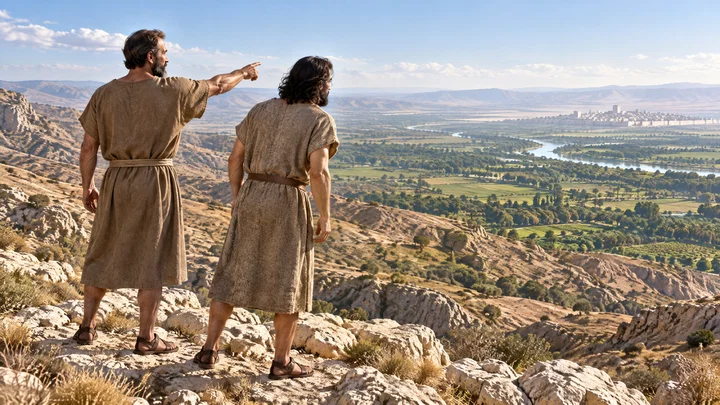
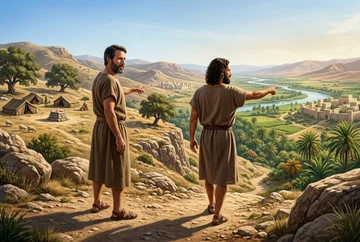
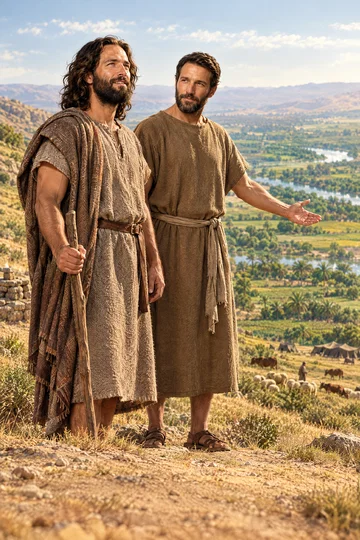
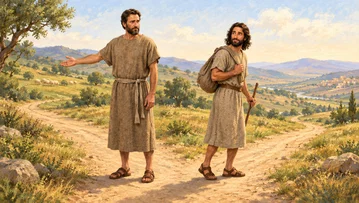
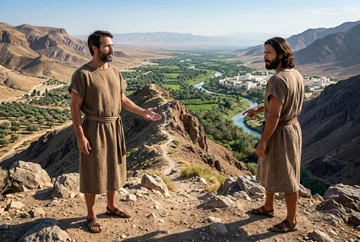
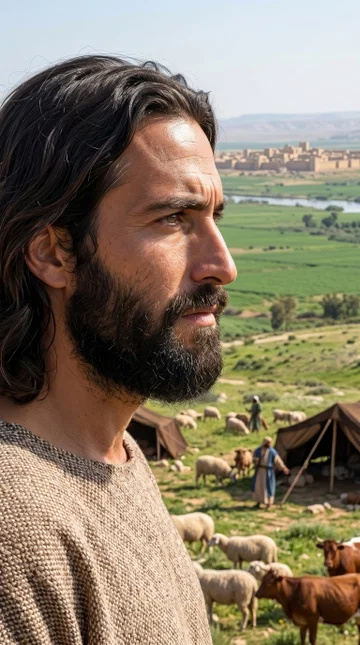
And Lot lifted up his eyes, and beheld all the plain of Jordan, that it was well watered every where, before the LORD destroyed Sodom and Gomorrah, even as the garden of the LORD, like the land of Egypt, as thou comest unto Zoar.
Translations
And Lot lifted up his eyes, and beheld all the plain of Jordan, that it was well watered every where, before the LORD destroyed Sodom and Gomorrah, even as the garden of the LORD, like the land of Egypt, as you come to Zoar.
And Lot lifted up his eyes, and beheld all the plain of Jordan, that it was well watered every where, before the LORD destroyed Sodom and Gomorrah, even as the garden of the LORD, like the land of Egypt, as thou comest unto Zoar.
And Lot lifted up his eyes, and beheld all the plain of Jordan, that it was well watered every where, before the Lord destroyed Sodom and Gomorrah, even as the garden of the Lord, like the land of Egypt, as thou comest unto Zoar.
And Lot lifted up his eyes, and beheld all the plain of Jordan, that it was well watered every where, before the LORD destroyed Sodom and Gomorrah, even as the garden of the LORD, like the land of Egypt, as thou comest to Zoar.
And Lot lifted up his eyes, and beheld all the Plain of Jordan, that it was well watered every where, before the LORD destroyed Sodom and Gomorrah, like the garden of the LORD, like the land of Egypt, as thou goest unto Zoar.
And Lot lifted up his eyes, and beheld all the Plain of the Jordan, that it was well watered every where, before Jehovah destroyed Sodom and Gomorrah, like the garden of Jehovah, like the land of Egypt, as thou goest unto Zoar.
And Lot lifteth up his eyes, and seeth the whole circuit of the Jordan that it [is] all a watered country (before Jehovah's destroying Sodom and Gomorrah, as Jehovah's garden, as the land of Egypt,) in thy coming toward Zoar,
And Lot lifted up his eyes, and beheld all the plain of the Jordan that it was thoroughly watered, before Jehovah had destroyed Sodom and Gomorrah; as the garden of Jehovah, like the land of Egypt, as one goes to Zoar.
So Lot lifted up his eyes and beheld all the circuit of the Jordan, that the whole of it, was well-watered,—before Yahweh destroyed Sodom and Gomorrah, like the Garden of Yahweh, like the land of Egypt, as thou enterest into Zoar.
Berean Standard Bible, Majority Standard Bible
And Lot looked out and saw that the whole plain of the Jordan, all the way to Zoar, was well watered like the garden of the LORD, like the land of Egypt. ( This was before the LORD destroyed Sodom and Gomorrah.)
Lot lifted up his eyes, and saw all the plain of the Jordan, that it was well-watered everywhere, before the LORD destroyed Sodom and Gomorrah, like the garden of the LORD, like the land of Egypt, as you go to Zoar.
And Lot, lifting up his eyes and looking an the valley of Jordan, saw that it was well watered everywhere, before the Lord had sent destruction on Sodom and Gomorrah; it was like the garden of the Lord, like the land of Egypt, on the way to Zoar.
So when Lot lifted vp his eyes, he saw that all the plaine of Iorden was watered euery where: (for before the Lord destroyed Sodom and Gomorah, it was as the garden of the Lord, like the land of Egypt, as thou goest vnto Zoar)
Douay-Rheims (Challoner revision)
And Lot, lifting up his eyes, saw all the country about the Jordan, which was watered throughout, before the Lord destroyed Sodom and Gomorrha, as the paradise of the Lord, and like Egypt as one comes to Segor.
Pictures
Cross-references 20 of 23
- Genesis 19:24-25
Then the LORD rained upon Sodom and upon Gomorrah brimstone and fire from the LORD out of heaven;
God destroys the well-watered plain and its cities.
- 2 Peter 2:7-8
And delivered just Lot, vexed with the filthy conversation of the wicked:
Lot’s righteous soul was vexed by Sodom’s wickedness.
- Genesis 19:15-17
And when the morning arose, then the angels hastened Lot, saying, Arise, take thy wife, and thy two daughters, which are here; lest thou be consumed in the iniquity of the city.
Angels lead Lot and his family out of Sodom as its destruction approaches.
- Genesis 14:12
And they took Lot, Abram’s brother’s son, who dwelt in Sodom, and his goods, and departed.
Lot is captured after settling in Sodom.
- Luke 17:28-30
Likewise also as it was in the days of Lot; they did eat, they drank, they bought, they sold, they planted, they builded;
Lot’s ordinary days ended in destruction, as the day of the Son of man will.
- Genesis 13:14-17
And the LORD said unto Abram, after that Lot was separated from him, Lift up now thine eyes, and look from the place where thou art northward, and southward, and eastward, and westward:
God promises Abraham the land after Lot departs.
- Ezekiel 16:49-50
Behold, this was the iniquity of thy sister Sodom, pride, fulness of bread, and abundance of idleness was in her and in her daughters, neither did she strengthen the hand of the poor and needy.
Names Sodom’s pride and abominations, and describes its wickedness.
- Genesis 18:20
And the LORD said, Because the cry of Sodom and Gomorrah is great, and because their sin is very grievous;
Sodom’s grave sin reaches the Lord before its destruction.
- Genesis 19:26
But his wife looked back from behind him, and she became a pillar of salt.
Lot’s wife looks back toward Sodom and becomes a pillar of salt.
- Genesis 19:1
And there came two angels to Sodom at even; and Lot sat in the gate of Sodom: and Lot seeing them rose up to meet them; and he bowed himself with his face toward the ground;
Describes Lot in Sodom before the city’s destruction.
- Genesis 19:30-38
And Lot went up out of Zoar, and dwelt in the mountain, and his two daughters with him; for he feared to dwell in Zoar: and he dwelt in a cave, he and his two daughters.
Lot’s later family history illustrates the grief linked to his associations.
- Genesis 2:8
And the LORD God planted a garden eastward in Eden; and there he put the man whom he had formed.
The Jordan valley’s well-watered beauty is compared to the garden of Eden.
- Genesis 19:22
Haste thee, escape thither; for I cannot do any thing till thou be come thither. Therefore the name of the city was called Zoar.
Lot’s earlier choice of the well-watered plain contrasts with his safe flight to Zoar.
- Genesis 19:29
And it came to pass, when God destroyed the cities of the plain, that God remembered Abraham, and sent Lot out of the midst of the overthrow, when he overthrew the cities in the which Lot dwelt.
God rescues Lot from the destruction of the cities.
- Genesis 19:17
And it came to pass, when they had brought them forth abroad, that he said, Escape for thy life; look not behind thee, neither stay thou in all the plain; escape to the mountain, lest thou be consumed.
Lot is urged to escape and not look back.
- Jude 1:7
Even as Sodom and Gomorrha, and the cities about them in like manner, giving themselves over to fornication, and going after strange flesh, are set forth for an example, suffering the vengeance of eternal fire.
Sodom’s destruction is presented as an example of judgment by eternal fire.
- Genesis 19:12-14
And the men said unto Lot, Hast thou here any besides? son in law, and thy sons, and thy daughters, and whatsoever thou hast in the city, bring them out of this place:
Lot warns his family before Sodom’s destruction, but they reject his warning.
- Genesis 14:14-16
And when Abram heard that his brother was taken captive, he armed his trained servants, born in his own house, three hundred and eighteen, and pursued them unto Dan.
Abraham pursues the kings and rescues Lot.
- Luke 17:32
Remember Lot’s wife.
Lot’s wife warns those awaiting Jesus’ return.
- Genesis 18:23-32
And Abraham drew near, and said, Wilt thou also destroy the righteous with the wicked?
Abraham pleads with God to spare Sodom.
Commentary
Each commentary is drawn from primary sources: the writings of Ellen G. White and Adventist pioneers and periodicals. Each commentary is separate. Its own words are not a quotation; follow the references to read the source passages.
Ellen G. White
29 sources
Abraham gave his younger nephew the first choice of the land to end strife between their herdsmen, though the prior right was his own.ST Nov 6, 1879Lt 49, 1875, par. 21–23 The plain of Jordan that Lot then looked upon was well watered everywhere, the most fertile region in all Palestine, beautiful as the garden of the Lord and as the plains of Egypt, holding wealthy cities that promised profitable gain before God destroyed Sodom and Gomorrah.PP 133.1PK 229.1PP 156.1 Lot chose selfishly by what he saw, dazzled by its fertility, beauty and promise of worldly gain, without considering its wicked inhabitants or whether it would help him grow in godliness.Ms 19, 1886, par. 9–11PP 133.1Ms 50, 1893, par. 20–224T 110.1–112.1 His choice placed his family amid corrupting influences that weakened his faith, bound his children to Sodom, and ended with him fleeing for his life, entering rich but escaping with nothing as fire consumed his gains.Ms 19, 1886, par. 9–114T 110.1–112.1CH 272.17T 89.1CE 224.2–225.2 Outward beauty and worldly advantage therefore do not make a place a safe or wise home, and the choice of a home must be guided first by its moral and religious influences lest earthly wealth bring lasting spiritual loss.Ms 50, 1893, par. 20–224T 110.1–112.17T 89.1Ms 83, 1902, par. 7–9Ms 85, 1899, par. 5–6
The Land Lot Saw
Abraham courteously gave his younger nephew Lot the first choice of the land, though Abraham himself had the prior right to choose, letting Lot select the part that seemed most desirable so that their herdsmen would not quarrel, an offer showing considerate courtesy toward a fellow man.ST Nov 6, 1879Lt 49, 1875, par. 21–23 What Lot lifted his eyes and beheld was the plain of Jordan, well watered everywhere, the most fertile region in all Palestine.PP 133.1PK 229.1 Its abundant vegetation and rich harvests made it a prosperous plain where ease and abundance supplied people's needs with little effort.PP 133.1PP 156.1
It was beautiful like the garden of the Lord, like Eden and the lost Paradise, and it equaled in beauty and productiveness the Nile-enriched plains of the land of Egypt lately left.PP 133.1PK 229.1PP 156.110MR 234.1–236.1Ms 159, 1902, par. 4 Lot judged it by its visible abundance, for it was richly watered and beautiful in natural setting before Sodom and Gomorrah were destroyed.10MR 234.1–236.1Ms 159, 1902, par. 4Ms 83, 1902, par. 7–9 The valley also held wealthy and beautiful cities that invited profitable traffic.PP 133.1
The description belongs to the time before the Lord destroyed Sodom and Gomorrah, when the plain around Sodom looked well-watered and beautiful like the garden of Eden and made Sodom as a second Eden.PK 229.1Ms 19a, 1886, par. 5–61MR 250.1–251.3Lt 106a, 1896, par. 7 Its abundance did not lead its people to honor God.Ms 19a, 1886, par. 5–6 When the cities of the plain were destroyed, fire and brimstone turned the lovely region into a desolation, a desolate waste that later formed part of the wilderness of Judea.PK 229.1Ms 19a, 1886, par. 5–6 This shows how completely God can destroy what once appeared prosperous and beautiful, for Sodom's pollution grew as people taught others forbidden practices until its sins reached heaven and the defiled earth could no longer be spared.Ms 19a, 1886, par. 5–6Lt 106a, 1896, par. 7
Lot's Selfish Choice
Lot's choice was selfish and ungrateful, for though he owed his prosperity to Abraham he refused to yield the choice and instead grasped all its advantages for himself.PP 133.1 He chose entirely by what he saw, judging the plain of Jordan by its visible abundance, natural beauty, abundant water, fertility, wealth and attractions, dazzled with visions of worldly gain.PP 133.1Ms 50, 1893, par. 20–224T 110.1–112.1Lt 109, 1899, par. 24–26Ms 25a, 1891, par. 10–11 What drew him was temporal and material prosperity and the promise of great returns from a well-watered country near wealthy and beautiful cities inviting profitable traffic.Ms 19, 1886, par. 9–11PP 133.1Lt 109, 1899, par. 24–26Ms 25a, 1891, par. 10–11
He made that decision without considering whether the place would help him grow in morality and godliness, overlooking the moral and spiritual evils to be encountered there.Ms 19, 1886, par. 9–11PP 133.1Ms 50, 1893, par. 20–22ST Jan 19, 1882 He gave no proper weight to the wickedness and character of the people near Sodom among whom he would live, and foresaw little of the terrible results of that selfish choice.PP 133.1Ms 50, 1893, par. 20–224T 110.1–112.1ST Jan 19, 1882MYP 419.1–2 He simply took what looked most fertile, agreeable and advantageous from a worldly point of view, without weighing its moral influence on himself and his family.4T 110.1–112.1ST Jan 19, 1882MYP 419.1–2
That choice put him and his family in a trying position amid Sodom's wickedness and exposed them to corrupting influences, proving a grievous mistake that brought earthly wealth at the cost of lasting spiritual and family loss.Ms 19, 1886, par. 9–114T 110.1–112.1ST Feb 3, 1887PP 168.4–169.2 Though he intended to remain free from sin and guide his household, Sodom's influence affected his faith, and his children's ties to its inhabitants bound their interests to the city.CE 224.2–225.2 His course was further entangled by marriage to a selfish, irreligious woman whose influence separated him from Abraham, and together the home in Sodom and that marriage began a chain of events that brought evil for many generations.PP 174.2 Only the early instruction received from Abraham kept him from being led wholly away from God by his wife and the city's wicked associations.PP 174.2
He recognized the sin and folly of his course too late.ST Jan 19, 1882 He entered Sodom rich but left with nothing, for fire consumed his gains when destruction came upon the city.CH 272.17T 89.1Lt 109, 1899, par. 24–26Ms 25a, 1891, par. 10–11 He was rescued and led away by an angel as destruction began, fleeing for his life.CH 272.17T 89.1Lt 179, 1903, par. 6–7Ms 83, 1902, par. 7–9Ms 85, 1899, par. 5–6 That loss cost him everything — possessions, riches, wife, married children and life's work — with death for part of his family and deep moral corruption and ruin among his children, so that he himself escaped only as one saved through fire.MYP 419.1–2CE 224.2–225.2Lt 179, 1903, par. 6–7Ms 159, 1902, par. 4Ms 79, 1901, par. 18–22
Warning for Choosing Homes
The loveliness Lot saw was not lasting, for the plain had been made beautiful by God yet was afterward left bleak and bare.CH 272.1Ms 19a, 1886, par. 5–6 Its rich watering and abundance did not move its people to honor Him.Ms 19a, 1886, par. 5–6 Fire and brimstone turned that once prosperous and beautiful region into desolation, showing how completely what looks flourishing can be destroyed.CH 272.1Ms 19a, 1886, par. 5–6
Outward beauty, fertility, pleasing scenery, and apparent worldly advantage do not make a place a safe, good, wise, or godly home.7T 89.1Ms 83, 1902, par. 7–9Ms 85, 1899, par. 5–6Ms 79, 1901, par. 18–22PP 168.4–169.2 Lot chose his residence by what looked advantageous without weighing the people and influences around him, and though the land was lovely and well watered like the garden of the Lord and like Egypt, its attractive appearance was no sure guide.Ms 83, 1902, par. 7–9Ms 85, 1899, par. 5–6Lt 12, 1881, par. 4–5Ms 79, 1901, par. 18–22 Constant contact with evil associations there endangered faith, devotion, and godly principles.7T 89.1Ms 83, 1902, par. 7–9Ms 85, 1899, par. 5–6PP 168.4–169.2 Beauty can be corrupted by those who dwell in a place, and worldly advantages cannot save anyone.Ms 79, 1901, par. 18–22 Choosing a home for prosperity without weighing its moral and religious influences can bring lasting spiritual loss, for Lot went in rich but left with nothing, led away as destruction began upon the city.7T 89.1Ms 83, 1902, par. 7–9Ms 85, 1899, par. 5–6Ms 79, 1901, par. 18–22PP 168.4–169.2
The choice of a home for a family must therefore be guided first by its moral and religious influences rather than by fertility, prosperity, or worldly advantage.Ms 50, 1893, par. 20–224T 110.1–112.1CE 224.2–225.2ST Feb 3, 1887 Lot chose the Jordan plain because it looked fertile and advantageous from a worldly point of view, for its natural beauty, abundant water, and earthly riches, without considering the wickedness and character of the people near Sodom.Ms 50, 1893, par. 20–224T 110.1–112.1CE 224.2–225.2ST Feb 3, 1887 Though he meant to remain free from sin and guide his household, the corrupting influence affected his faith and his children's ties bound their interests to the city.CE 224.2–225.2 That settling exposed the family to corruption and proved a grievous mistake ending in ruin for his children, lasting spiritual and family loss, and the loss of his life's work.4T 110.1–112.1CE 224.2–225.2ST Feb 3, 1887 The same warning applies to the work of God, which must not be placed where outward surroundings merely appear well watered and beautiful.Lt 182, 1902, par. 1–7 Going into Sodom on the strength of outward advantage alone is the example not to follow when choosing a place for God's work.Lt 182, 1902, par. 1–7
Sources
Pioneers and periodicals
66 sources
When Abraham and Lot separated over the needs of their large flocks and herds, Abraham gave Lot first choice of the land.ST Aug 19, 1880ST Jul 31, 1901ST Sep 1, 1898 Lot lifted up his eyes and saw that the whole plain of Jordan toward Zoar was well watered everywhere and exceedingly fertile and beautiful, like the garden of the LORD and like the land of Egypt before the LORD destroyed Sodom and Gomorrah.RH Nov 15, 1870ST Aug 20, 1902ST Jul 31, 1901ST Dec 20, 1910ST Sep 25, 1901 He chose all that plain for himself for its water and pasture and promise of wealth, influence and temporal prosperity, journeyed east away from Abraham and pitched his tent toward Sodom.ST Aug 20, 1902ST Jul 31, 1901ST Oct 18, 1899RH Mar 18, 1915RH Sep 25, 1860 He chose by what looked pleasant to the eye rather than by faith, seeking material advantage while overlooking the moral and spiritual danger of dwelling near a people he knew to be very wicked.ST May 29, 1884ST Jan 19, 1882ST Nov 15, 1899RH Jan 5, 1864 That seemingly wise choice proved ruinous, costing him his riches and much of his family and barely leaving him escaped with his life, and it warns against choosing a home, surroundings or business for worldly gain at the cost of character and godliness, while Abraham who yielded and trusted God received the whole land and the blessing.ST May 29, 1884ST Oct 18, 1899ST Jan 20, 1887ST Aug 19, 1880ST Aug 19, 1880
Plain's Setting and Fertility
The verse belongs to the separation of Abraham and Lot, when their large households and herds created difficulties over water and pasture, and Abraham told Lot to separate and take whichever part of the land he wanted.ST Aug 19, 1880ST Jul 31, 1901ST Sep 1, 1898ST Oct 1, 1902 Lot surveyed the country at that time, lifting up his eyes and beholding all the plain of Jordan toward Zoar, and that survey guided his decision to choose all the plain for himself, journey east, and pitch his tent toward Sodom.ST Jul 31, 1901ST Sep 1, 1898 The setting therefore establishes the question of whether Abraham should help Lot when he was later in need.ST Oct 1, 1902
Lot had great possessions at the time of that choice.RH Apr 5, 1870 He and his wife later had to leave everything behind to flee Sodom and escape its destruction.RH Apr 5, 1870
The plain of Jordan was well watered everywhere and exceptionally fertile and beautiful, like the garden of the LORD and like the land of Egypt.RH Nov 15, 1870ST Aug 20, 1902ST Jul 31, 1901ST Oct 18, 1899RH Mar 18, 1915 Its fertile land promised easy sustenance for many flocks and herds, abundant water and pasture, and the prospect of quickly gaining wealth and influence, so it appeared to offer the best opportunity for temporal prosperity.ST Oct 18, 1899RH Mar 18, 1915RH Sep 25, 1860 Seen from the hills near Bethel its rich vegetation would have made it resemble an Eastern paradise, traces of this vegetation remained, and Sodom and Gomorrah may have stood amid it.ST Jan 20, 1887
Its garden comparison describes fertility and beauty from clear, flowing streams, teeming with animal and vegetable life and unparalleled fertility.ST Oct 24, 1895ST Oct 17, 1900ST Apr 1, 1880 There flourished in lavish abundance the olive and the pomegranate, the palm and the orange, waving fields of grain on pleasant hills, rich vineyards, and broad green pasture lands beyond.ST Oct 17, 1900 The lush Canterbury plains, streams, and grazing land in New Zealand recall the sight of that abundantly watered plain.RH Dec 29, 1904
This description belongs to its condition before the LORD destroyed Sodom and Gomorrah, toward Zoar and near Zoar, including portions now covered by the Dead Sea.ST Dec 20, 1910ST Sep 25, 1901RH Jan 6, 1916RH Mar 11, 1862RH Mar 11, 1862 Its present barrenness and desolation contrast with that former well-watered pastureland, fertility and beauty, and its later destruction contrasts its abundance at the time with its eventual fate.ST Sep 25, 1901RH Mar 11, 1862RH Mar 11, 1862ST Jan 20, 1887 The proud and wealthy cities stood on its southern shores where the Dead Sea valley now lies, when the Jordan once flowed on to the Red Sea and the Dead Sea was only an expansion of the Jordan like the Sea of Galilee.ST Oct 24, 1895
The plain lay far below the Mediterranean, and Lot pitched his tent outside Sodom.ST Jan 20, 1887 The city where he later welcomed the travelers stood on this fertile plain.ST Zoar in the comparison refers to Zor, the garden land of Egypt, not the city where Lot later fled, and the destruction changed the region so greatly that it no longer resembled that fertile plain.ST Jul 31, 1901
The verse falls within God's providential dealings with Abraham's family to preserve the line of the promised Seed.ST Within the larger promise of Genesis 13, Abraham's inheritance was not limited to earthly Canaan but included the world and the restored new earth, to be fulfilled through Abraham's seed, Christ, and inherited by those who belong to Christ by faith.ST Nov 11, 1930ST Jan 28, 1903 Abraham looked forward in faith to that inheritance, living as a pilgrim while awaiting the heavenly country and the city God had prepared.ST Nov 11, 1930
The separation took place as Abraham learned to trust God's promise rather than rely on his own plans, and the account reveals Lot's character and the influence of worldly associations.ST Dec 20, 1910ST Jun 15, 1904 The account of Lot's choice of territory, however, gives no indication that he chose selfishly, and treating that as a scriptural fact is warned against.ST Feb 24, 1887
Lot's Self-Seeking Choice
After surveying the country when offered first choice of where to separate, Lot lifted up his eyes and beheld all the plain of Jordan toward Zoar, well watered everywhere like the garden of the Lord and like the land of Egypt before the destruction of Sodom and Gomorrah, and he chose all the plain for himself, journeyed east away from Abraham, and pitched his tent toward Sodom.ST Aug 20, 1902ST Jul 31, 1901RH Mar 18, 1915 His selfish selection of the rich, prosperous regions brought him into a wicked community and began a departure from God's plan for his household's education and training.ST Aug 20, 1902RH Mar 18, 1915
He chose it because its abundant water and pasture promised good conditions for his flocks and herds and cattle and for his herdsman's livelihood.ST Oct 18, 1899ST Oct 3, 1878RH Sep 22, 1868ST Jun 15, 1904 Its fertile land promised easy sustenance and the strongest prospect of success in temporal affairs, with rapid growth in wealth and influence, commercial advantages, worldly honors, and business prospects, so it appeared to offer the best opportunity for temporal prosperity.RH Sep 25, 1860ST Oct 3, 1878ST Jan 20, 1887ST Jun 17, 1886ST Oct 3, 1878 From a worldly and business standpoint the choice looked wise and advantageous, for the domain was rich, inviting, and full of water throughout, with olive and pomegranate, palm and orange, waving fields of grain on pleasant hills, rich vineyards, and broad green pasture lands beyond, and the sight pleased his eye.ST Oct 18, 1899ST Aug 19, 1880ST Oct 17, 1900ST Oct 17, 1900RH Dec 30, 1902 In its golden era wealth flowed through the marts of its cities and art, philosophy, and science flourished while multitudes ate, drank, and made merry with heaven's choicest blessings and honored not the Giver.ST Oct 17, 1900
He lifted up his eyes and chose by what he saw and what seemed pleasant and agreeable to himself, choosing for himself and his own way instead of walking in God's way by faith, and that self-chosen, wilful path that seems pleasant to self ends in destruction, though when he took God's directions he was led up to Zoar and was safe.ST Jan 19, 1882RH Jan 5, 1864RH Jan 27, 1874 He chose for material advantage without weighing the moral influence of Sodom on himself and his family, neglecting Abraham's interests and overlooking the moral and spiritual dangers of the nearby cities, though he knew the inhabitants were idolaters and very wicked and the land was inhabited by very wicked people.ST May 29, 1884ST Oct 17, 1900ST Oct 3, 1878ST Nov 8, 1899 He should have looked beyond temporal prospects and delights to the probable moral effect upon himself and his family, and would have done better to choose a less fertile place with fewer prospects of gain and better inhabitants, while Abraham remained in the less fertile heights.ST Oct 17, 1900RH Sep 22, 1868ST Nov 8, 1899 Its attractive land drew him into harmful company and away from Abraham's good example, beginning a move toward compromise and toward the city in which he expected to remain faithful to God while seeking worldly gain.ST Nov 15, 1899ST Jun 17, 1886ST Jan 29, 1894RH Jan 27, 1910
His desire for business and wealth drew him gradually from tent toward Sodom into the city itself, settling near and among its corrupt inhabitants and putting his family at risk.ST Jun 17, 1886ST Jul 1, 1880ST Oct 7, 1880RH May 18, 1905RH May 26, 1863 While in Sodom he is not shown keeping an altar there or calling on the God of Abraham, showing how setting priorities on gain can lead gradually away from worship and godly influence, and he was never able to get his cattle away from the city.ST Jul 1, 1880 His choice was driven by business interests and led him and his family toward the city, where its attractions and commercial advantages and worldly honors brought financial and moral ruin and spiritual ruin and distress, from which he was rescued only so as by fire.ST Jun 17, 1886RH May 18, 1905ST Jun 15, 1904
Ruin and Moral Warning
Taking the fairest portion proved ruinous, for the outward promise of prosperity was a poor guide and ended in financial disaster, earthly loss, and flight without the great riches gained there.ST May 29, 1884ST Aug 19, 1880ST Aug 19, 1880RH Dec 30, 1902 The separation began a departure from God's plan for the education and training of the household and ended in sorrow and disaster, reflecting a disposition unlike Abraham's and proving harmful both to worldly ambitions and to family welfare.RH Mar 18, 1915ST Sep 25, 1901 Settling near wicked Sodom exposed the children to its influence, so that when destruction came there was flight leaving much of the family behind.ST May 29, 1884RH Nov 15, 1870RH Jul 30, 1867RH Sep 24, 1914RH Dec 30, 1902
Some of the children perished, the wife became a pillar of salt, property was lost, and Lot himself barely escaped with his life amid grief over unhallowed associations.ST May 29, 1884RH Nov 15, 1870RH Jul 30, 1867RH Dec 30, 1902 He was rescued from the sinful city only so as by fire, scarcely saved, escaping as with the skin of his teeth.ST Jun 17, 1886ST Sep 28, 1882 He maintained integrity toward God amid the corruptions of Sodom yet suffered spiritual distress, recognized the sin and folly of his course too late, and the record of the city's last hours with his later history shows the benumbing effect of its corrupt practices and teachings upon him and his family.ST Jan 19, 1882ST Oct 17, 1900ST Jun 17, 1886
His choice of city life and of making secular business the chief factor in choosing a home led to financial and moral ruin and to spiritual ruin for his family.RH May 18, 1905ST Jun 15, 1904 His history therefore warns against choosing surroundings, companions, and homes for worldly gain and material profit at the cost of religious life and Christian character, showing the danger of choosing for material gain without considering spiritual influences.ST May 29, 1884ST Oct 18, 1899RH Jul 30, 1867RH Sep 24, 1914ST Jun 15, 1904 The same warning holds that making business interests decisive in the choice of a home can lead to disaster, since earthly riches gained near Sodom brought lasting spiritual and family loss through corrupting influences.ST Feb 3, 1887ST Jun 15, 1904
Material prosperity is less valuable than a home shaped by intelligent piety, a school, and a church, with the educational, social, moral, and religious influences needed in a home.ST Aug 19, 1880 Even barren land is better than prosperity that draws a household away from God, and it would have been better to choose a less fertile place with fewer prospects of gain and better inhabitants.RH Nov 15, 1870RH Sep 22, 1868 Choosing for self can lead to a poor portion, for the self-chosen, wilful path that seems pleasant to self ends in destruction.RH Jan 5, 1864RH Jan 27, 1874 The heart set on earthly possessions values them above durable riches, hinders giving the soul due attention, clings to earthly things until they become the only portion, and runs the risk of losing a heavenly inheritance; by contrast, when God's directions were taken the way led up to Zoar and to safety.ST Sep 28, 1882RH Jan 27, 1874
Abraham's Faithful Contrast
Abraham courteously gave Lot the first choice of the land, although the prior right to choose belonged to Abraham himself, letting Lot select the part that seemed most desirable.ST Nov 6, 1879RH Apr 10, 1866 Abraham accepted what remained for the sake of peace when they separated, rather than contending over the well-watered plain Lot saw.ST Jan 20, 1887ST Aug 19, 1880RH Apr 10, 1866 By accepting what was left he received God's gift of the whole country and God's blessing, which shows the value of trusting God rather than pursuing selfish plans.ST Jan 20, 1887ST Aug 19, 1880 God's gracious visit to Abraham afterward rewarded his mildness and willingness to yield.RH Apr 10, 1866
Abraham remained in the less fertile heights of the promised land while Lot took the fertile, well-watered region, and Abraham later rescued Lot without cost after he was captured in war.ST Nov 8, 1899 Earthly abundance was not worth losing integrity of character or friendship with God, so Abraham's willingness to let his brother choose first stands against Lot's appealing choice.ST Nov 21, 1892 Abraham's faith, sacrifice, and intercession stand in contrast to Lot's choice of the plains of Sodom as a dubious type of godliness.ST Nov 21, 1892ST Feb 1, 1877 Lot's portion of the well-watered plain contrasts with a life of self-denial and suffering with Christ and surrender of one's own will, which is brighter in God's kingdom, bringing joy now and a crown in the resurrection.
Destruction and Last-Day Lesson
The plain looked exceptionally fertile and beautiful before the Lord destroyed Sodom and Gomorrah, well watered everywhere like the garden of God and like Egypt toward Zoar, yet its rich appearance did not make it safe from judgment.RH Nov 15, 1870RH Jan 23, 1855 There is no lasting beauty in what God rejects, and outward abundance does not mean goodness or safety.RH Nov 15, 1870RH Jan 23, 1855 Its blessings became a curse in the hands of wicked people, so men should trust what God has said rather than assume that present conditions will continue.RH Nov 15, 1870RH Jan 23, 1855
Its outward beauty did not make it a good or safe place, for the choice of it separated Lot from righteous Abraham and led him and his family into the corrupt society of Sodom.RH Jan 7, 1915 Material prosperity could make the place appear secure even though destruction was near.ST May 2, 1916
On the morning Lot chose it the plain was a region of unparalleled fertility teeming with animal and vegetable life, with grazing land that drew his covetous attention, and the proud and wealthy cities stood on its southern shores where the Dead Sea valley now lies.ST Oct 24, 1895ST Feb 6, 1901 At that time the Jordan once flowed on to the Red Sea and the Dead Sea was only an expansion of the Jordan like the Sea of Galilee, including portions now covered by the Dead Sea.ST Oct 24, 1895RH Mar 11, 1862RH Mar 11, 1862 The description belongs to the land before the Lord destroyed Sodom and Gomorrah, when it looked so fertile as the angels passed over it, beautiful and well watered like Paradise.ST Oct 16, 1893ST Oct 24, 1895 Its beauty and productivity were later replaced by barren ground and desolation, the land of fertility and sweetness becoming a land of salt and bitterness, a parched, blackened desert instead of fertility and sweetness.ST Oct 16, 1893ST Oct 24, 1895ST Feb 6, 1901 The valley of habitation became desolation, and its present barrenness contrasts with the well-watered pastureland Lot chose, so that the bleak and barren valley now preaches a solemn gospel message.ST Oct 24, 1895RH Mar 11, 1862RH Mar 11, 1862 Only Lot as the one weakly righteous man barely escaped with his life.ST Oct 24, 1895
The land around Sodom that looked so exceptionally beautiful and fertile, like the garden of the Lord, stands in contrast with the wickedness of its people.ST Oct 24, 1895ST Jan 20, 1887 Blessed with so much, those cities became so wicked that mercy required their destruction for the sake of others to come.ST Oct 24, 1895
Sodom stood in a place of great abundance and became wealthy and splendid, but it forgot God the giver of its blessings.ST Mar 1, 1899 Its pride, plenty, and idleness marked it for destruction, with luxury, gluttony, drunkenness, and sexual wickedness leading to its ruin, and it also failed to help the poor and needy.ST Mar 1, 1899 Sin brought death, and Sodom suffered the vengeance of eternal fire.ST Mar 1, 1899
In its golden era Sodom shone like a gem as queen of the goodliest vale of all Palestine, an unrivaled scene of tropical beauty and overflowing plenty.ST Oct 17, 1900 The wealth of East and South flowed through her marts, and art and philosophy and science flourished in her courts, while multitudes ate and drank and made merry with heaven's choicest blessings and honored not the Giver.ST Oct 17, 1900 Lot lifted up his eyes with longing on her dazzling magnificence, yet he knew not how ugly and black was the wickedness lightly concealed beneath the glittering exterior.ST Oct 17, 1900
The doom of Sodom is a warning for the last days, when the plain that looked so fertile became a parched, blackened desert at God's judgment.ST Oct 16, 1893 Lot's choice warns dwellers amid beauty and abundance like the South Sea Islands, which compare to the fertile plain suited to an ideal home, to let honest people there be rescued before destruction.
Fertility did not make the plain beautiful or pure, for it was associated with Sodom and Gomorrah's sin, while Egypt's atmosphere was disease-laden.ST Sep 10, 1902
Sources