Translations
American King James Version, King James Version, Webster Bible
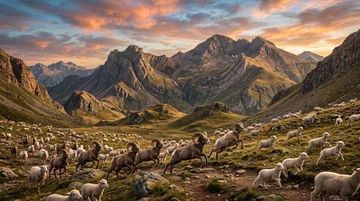
The mountains skipped like rams, and the little hills like lambs.
The mountains skipped like rams,
And the little hills like lambs.The mountains skipped like rams, the little hills like young sheep.
The mountains skipped like rams,
The little hills like lambs.The mountains have skipped as rams, Heights as sons of a flock.
The mountains skipped like rams, the hills like lambs.
The mountains, started like rams, The hills like the young of the flock?
Berean Standard Bible, Majority Standard Bible
the mountains skipped like rams,
the hills like lambs.The mountains skipped like rams,
the little hills like lambs.The mountains were jumping like goats, and the little hills like lambs.
The mountaines leaped like rams, and the hils as lambes.
Douay-Rheims (Challoner revision)
The mountains skipped like rams, and the hills like the lambs of the flock.
Pictures
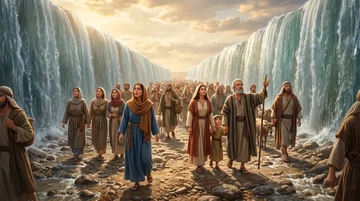
Cross-references
- Exodus 14:21-22
And Moses stretched out his hand over the sea; and the LORD caused the sea to go back by a strong east wind all that night, and made the sea dry land, and the waters were divided.
Israel’s deliverance from Egypt includes passage through the divided Red Sea.
- Joshua 3:15-16
And as they that bare the ark were come unto Jordan, and the feet of the priests that bare the ark were dipped in the brim of the water, (for Jordan overfloweth all his banks all the time of harvest,)
The Jordan’s waters were driven back as Israel crossed.
- Isaiah 55:12
For ye shall go out with joy, and be led forth with peace: the mountains and the hills shall break forth before you into singing, and all the trees of the field shall clap their hands.
Both portray mountains and hills expressing joy.
- Psalms 113
Praise ye the LORD. Praise, O ye servants of the LORD, praise the name of the LORD.
Part of the Hallel sung at the close of the Passover meal.
Commentary
Each commentary is drawn from primary sources: the writings of Ellen G. White and Adventist pioneers and periodicals. Each commentary is separate. Its own words are not a quotation; follow the references to read the source passages.
Pioneers and periodicals
12 sources
This is part of a historical psalm that recounts God's leading of Israel out of Egypt and delivering His people.RH Apr 14, 1903ST Jun 11, 1894 When Israel came out, the mountains and little hills are pictured skipping like rams and lambs, showing the opposing powers of creation giving way before the Lord.RH May 4, 1911 The second line restates the first in different words, emphasizing the same image in parallel poetic form. It proclaims God's power used for the good of His people, set against the powerlessness of false gods. That leaping of mountains and hills foreshadows the final great earthquake when the earth's mountains will move at God's mighty voice, while the foundation laid for salvation in Christ will remain sure so that those who cling to Christ and His cross will not be moved.
Setting and Poetic Form
Psalm 114 is a historical psalm, one of the class that recounts the ancient history of the Hebrew people in detail.RH Apr 14, 1903 It recounts events from Israel's history, especially God's leading the people out of Egypt and delivering them, and the leaping of mountains and hills belongs to that account of the Exodus.ST Jun 11, 1894 It is also counted among the group of psalms associated with the Jews' return from Babylonian captivity.RH Sep 7, 1916 That group recounts the mixed emotions of the returning exiles and refers to the building and dedication of the second temple and the triumphs connected with it.RH Sep 7, 1916
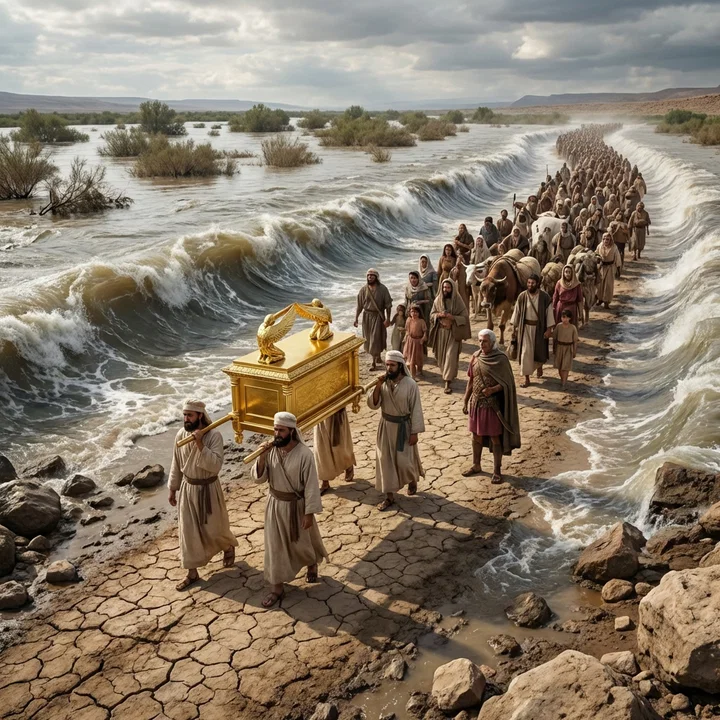
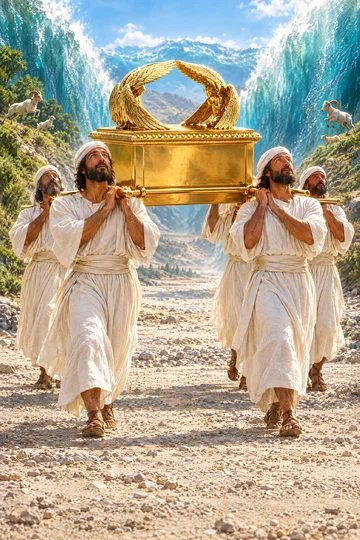
The skipping of mountains like rams and of hills like lambs took place when Israel came out of Egypt.RH May 4, 1911 The mountains and hills are described as skipping like animals, like young sheep.RH May 4, 1911 In this the opposing elements of creation are shown giving way before the Lord as He delivered His people.RH May 4, 1911
The two halves form parallel poetic lines within a single strophe. What is stated as the mountains skipping like rams is restated as the little hills skipping like young sheep. The second line emphasizes the same image in different words.
The language is highly figurative, describing inanimate things as living and acting.RH Dec 1, 1863RH Dec 23, 1862 The hills skipping like lambs is an example of personification of this kind.RH Dec 23, 1862 The same figure explains how the New Jerusalem, though a city, can be said to make herself ready.RH Dec 23, 1862 The highly figurative image of skipping mountains and hills in verse 4 helps show that calling Judah God's sanctuary in verse 2 is also figurative.RH Dec 1, 1863
Power Proclaimed and Applied
The verse shows divine power set against the powerlessness of false gods, as power exercised for the good of his people in delivering Israel from Egypt. Judah is thereby connected with the location of the sanctuary rather than identified as the sanctuary itself, for Judah was the tribe chosen for the place of God's dwelling, since Jerusalem in Judah was the place of the sanctuary, so the naming of Judah as God's sanctuary does not make the whole church the sanctuary.RH Aug 11, 1863 The skipping of the mountains like rams and the hills like lambs portrays nature rejoicing and moving joyfully, showing that joyful, innocent recreation belongs in a world filled with beauty and delight.RH Apr 5, 1870ST Aug 19, 1875
The skipping of the little hills like lambs also expresses the joyful transformation brought by God's loving presence, paired with the wilderness blossoming like a rose.ST Jul 22, 1897 The same image of mountains skipping like rams illustrates the imagined destructive power of psychic force, in that if a medium could move a table by will the same power might move mountains, leaving nothing secure.RH Jan 7, 1909 The leaping of mountains and hills like animals foreshadows that at the final great earthquake the earth's mountains will move as God's mighty words go forth, while the foundation laid for salvation in Christ will remain sure, so that those who cling to Christ and his cross will not be moved.
The verse pictures the Lisbon earthquake in which the whole city was shaken and the hills leapt as young sheep do and moved like waves of the sea, with the street before the church rising nearly five feet.ST Sep 7, 1904 That shaking opened the sixth seal, to be followed by the darkening of the sun and moon on May 19, 1780 and the falling of the stars on November 13, 1833.ST Sep 7, 1904 That sequence warns that the generation then living will see Christ come as King of kings and Lord of lords.ST Sep 7, 1904 It points to a soon-coming greater earthquake when the cities of all nations will fall and mountains and hills will sink away and islands will not be found.ST Sep 7, 1904
Sources